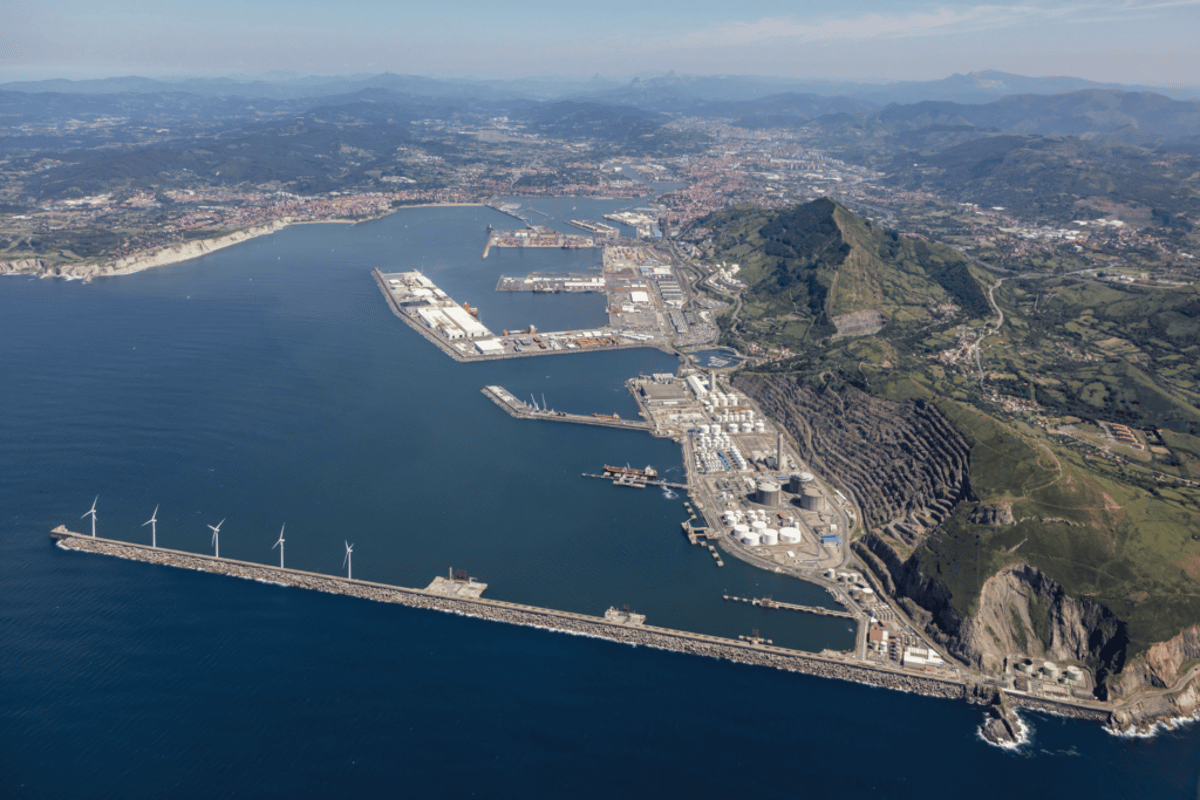
Port of Bilbao Advances Connectivity and Energy Transition in 2025
•March 1, 2026
0
Why It Matters
Bilbao’s connectivity upgrades and decarbonisation push strengthen its competitive edge in European logistics, while the surge in capital spending signals confidence in sustainable port growth.
Key Takeaways
- •Throughput 32M tonnes despite 6.8% traffic dip.
- •Rail moves 26% of containers, 3,800 trips.
- •Investment jumps to €110.9M for 2026 projects.
- •OPS and dock electrification slated for 2026 rollout.
- •Passenger traffic hits record 337,562 travelers.
Pulse Analysis
Bilbao’s port continues to cement its role as a gateway between Europe and the Americas, even as overall cargo volumes slipped due to the Petronor refinery’s temporary closure. The modest 1.5% rise in second‑half traffic underscores the resilience of its trade corridors, especially with emerging markets such as Brazil and Senegal and established partners like the United States and China. New liner services to Canada and the western coast of South America broaden the port’s hinterland reach, positioning Bilbao as a versatile hub for containerized trade.
Sustainability is at the core of Bilbao’s 2025 agenda. The authority expanded on‑shore power supply (OPS) infrastructure and installed photovoltaic panels, reducing reliance on diesel auxiliary power for berthed vessels. The upcoming dock electrification, set for Q2 2026, will allow ships to plug directly into the grid, cutting emissions and operational costs. Coupled with its rail freight dominance—26% of containers shifted to train—the port is aligning with EU decarbonisation targets while enhancing intermodal efficiency.
Financially, the port’s €77 million turnover and €35.2 million EBITDA reflect a solid cash position that supports strategic investments. By freezing port fees, Bilbao safeguards its customer base, while the €110.9 million capital plan for 2026 funds critical projects like the central breakwater’s second phase and upgraded customs facilities. These moves not only boost capacity but also reinforce the port’s attractiveness to global shippers seeking reliable, green, and digitally integrated logistics solutions.
Port of Bilbao advances connectivity and energy transition in 2025
0
Comments
Want to join the conversation?
Loading comments...