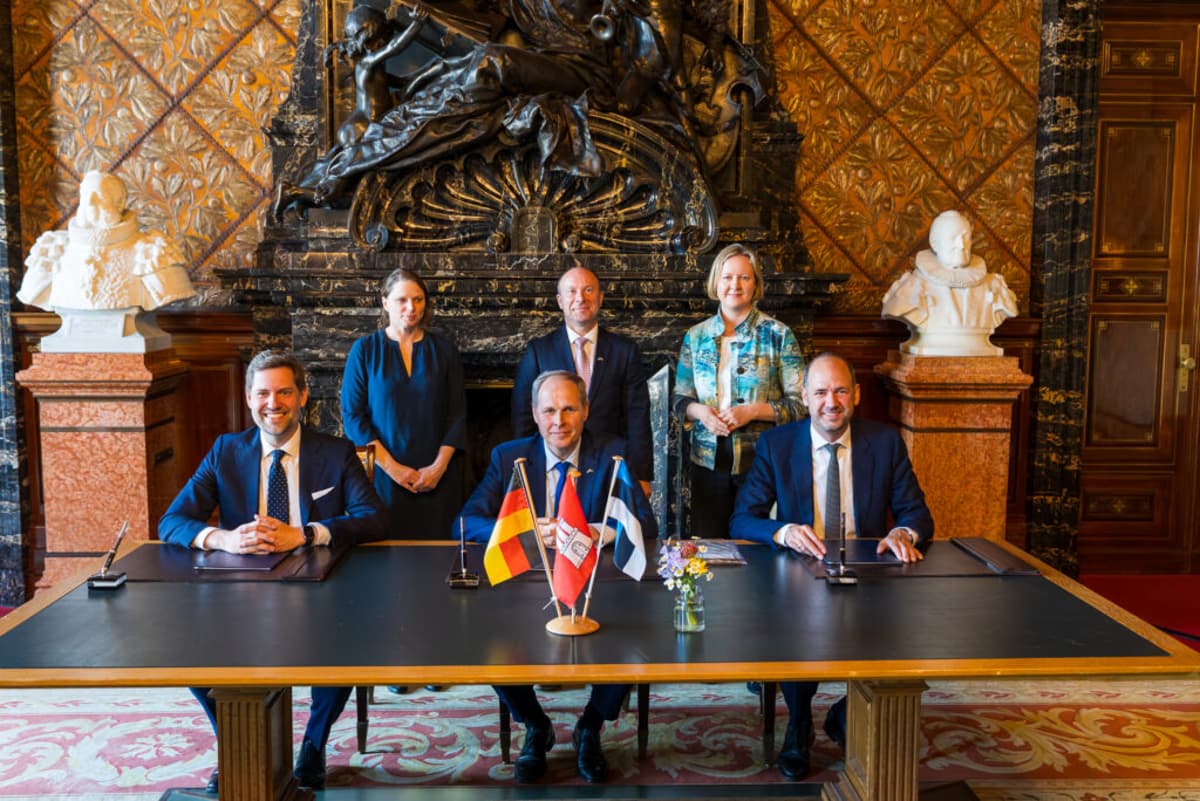
Ports of Hamburg and Tallinn Strengthen Baltic Sea Cooperation
Key Takeaways
- •Letter of Intent targets digitalisation, decarbonisation, cybersecurity, and military mobility.
- •Hamburg and Tallinn aim to boost Baltic supply‑chain resilience.
- •Joint projects will leverage Estonia’s freight‑tech solutions and German port expertise.
- •Cooperation could expand cruise traffic and RoRo container volumes.
- •Strategic partnership supports EU’s Baltic energy transition and transport corridors.
Pulse Analysis
The Port of Hamburg, handling over 140 million tonnes of cargo annually, and the Port of Tallinn, a key gateway for Baltic trade, are forging a collaboration that reflects a broader shift in maritime logistics. By moving beyond traditional transhipment, the two ports are positioning themselves as data hubs and energy conduits, aligning with the EU’s ambition to modernise critical infrastructure. This Letter of Intent formalises joint efforts to embed advanced digital platforms, streamline customs procedures, and adopt low‑carbon technologies, thereby reducing turnaround times and emissions.
Estonia’s reputation for e‑government and freight‑tech solutions adds a competitive edge to the partnership. The Tallinn port’s digital freight‑forwarding tools can integrate with Hamburg’s extensive terminal operating systems, creating a seamless, cross‑border logistics network. Such integration supports the EU’s Green Deal targets, as both ports commit to decarbonising operations through electrified equipment and alternative fuels. Moreover, enhanced cybersecurity measures will protect the increasingly data‑driven supply chain from emerging threats.
Beyond commercial gains, the agreement carries strategic weight. By coordinating on military mobility and secure transport corridors, the ports bolster NATO’s readiness in a geopolitically sensitive region. The collaboration also opens avenues for joint research, crew training, and cruise‑tourism development, diversifying revenue streams. As global trade patterns evolve, the Hamburg‑Tallinn alliance exemplifies how regional ports can drive resilience, sustainability and innovation, setting a template for other maritime hubs worldwide.
Ports of Hamburg and Tallinn strengthen Baltic Sea cooperation
Comments
Want to join the conversation?