Key Takeaways
- •Port emissions hit 21.2 Mt CO₂e in 2025, up 11%.
- •Power plants generated 38% more coal electricity, 25% more gas.
- •Renewables grew 6% but couldn't meet European demand.
- •Refineries added 0.3 Mt CO₂e, a 4% increase.
- •Rotterdam accounts for 14.5% of Netherlands' total emissions.
Pulse Analysis
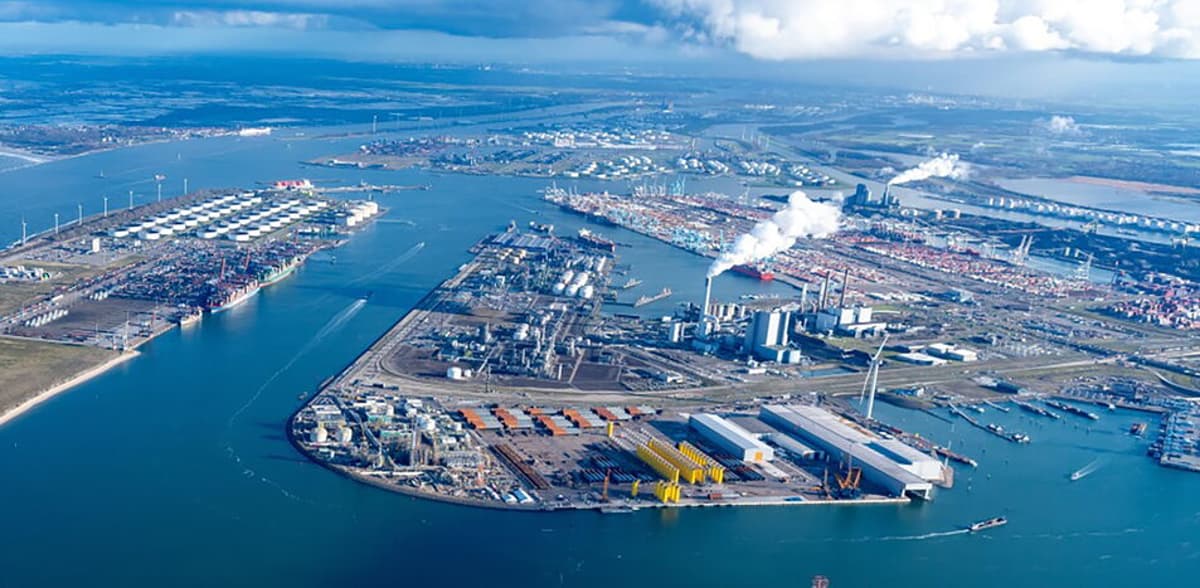
Rotterdam’s port remains a linchpin in Europe’s energy landscape, handling a dense mix of power generation, refining, and logistics. The latest emissions data reveal a stark contrast between the port’s strategic importance and its environmental footprint. While the cluster’s total output rose to 21.2 million tonnes of CO₂e, the underlying drivers—particularly the surge in coal and gas‑fired electricity—highlight how external market forces can quickly override local sustainability agendas.
European power markets faced a supply squeeze in 2025, prompting Dutch authorities to lean on Rotterdam’s five power plants for additional capacity. Coal‑fired generation jumped 38% and gas‑fired output rose 25%, reflecting a broader continental trend where renewable growth (only 6% from wind and solar) lagged behind demand. This mismatch forced a temporary reliance on fossil fuels, exposing the fragility of the region’s energy transition and the need for more flexible, low‑carbon backup solutions.
The emissions uptick poses a critical test for policymakers and industry leaders. Balancing energy security with decarbonisation will require accelerated investment in storage, grid interconnections, and next‑generation renewables to curb future spikes. Moreover, the port’s 14.5% share of national emissions amplifies its responsibility to spearhead innovative carbon‑capture projects and adopt stricter efficiency standards. How Rotterdam navigates these pressures will shape Europe’s broader climate trajectory and set a benchmark for other major logistics hubs.
Rotterdam port area emissions rise 11% in 2025
Comments
Want to join the conversation?