So You Want to Break Iran…
Key Takeaways
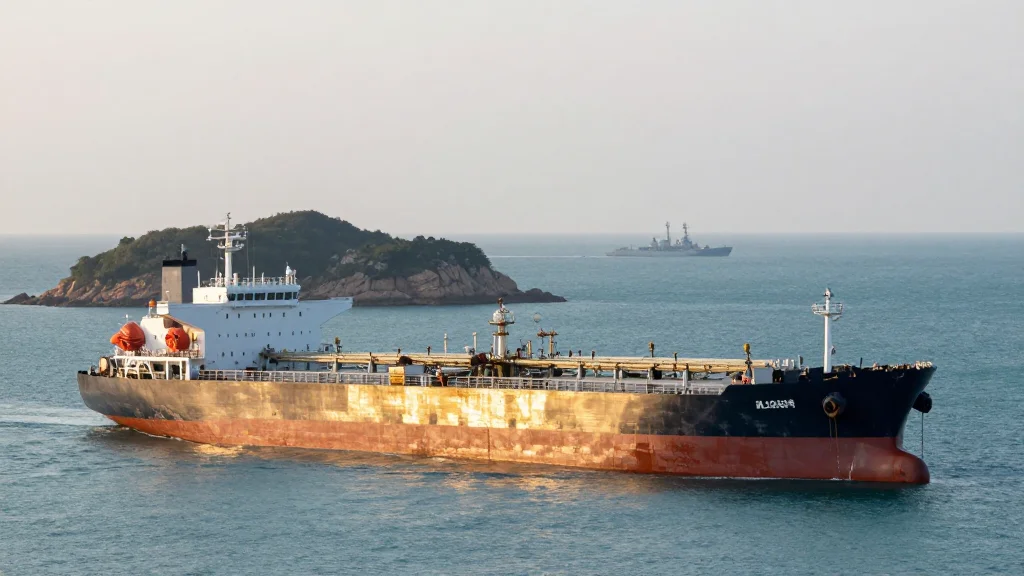
- •~20 shadow tankers anchored off Kharg Island as temporary storage
- •Additional ten tankers expected as earlier trips conclude
- •Tankers hold 2‑4 million barrels each, extending Iran’s reserve capacity
- •Targeting the parked fleet could force Iran’s diplomatic concessions
Pulse Analysis
The recent U.S. interdiction of the Strait of Hormuz has created a logistical bottleneck for Iran, which traditionally ships about two million barrels of crude daily via a network of sanctioned‑busting tankers. With the primary export corridor sealed, Tehran has turned to a fleet of idle ultra‑large crude carriers, anchoring them near Kharg Island to act as floating storage. This stop‑gap preserves oil volumes but also concentrates a critical vulnerability: a single strike on the parked vessels could immobilize a substantial portion of Iran’s export capability.
From a market perspective, the floating storage strategy temporarily cushions global supply, preventing an immediate spike in crude prices despite the blockade. However, the concentration of 20‑30 tankers in a confined maritime zone creates a high‑risk node. If the United States or allied navies were to neutralize these assets, the resulting loss of up to 80 million barrels of stored oil would tighten worldwide supply, potentially driving Brent crude above $90 per barrel and prompting heightened volatility in futures markets. Energy traders are already pricing in the risk of a sudden supply shock, which could ripple through downstream sectors from refining to petrochemicals.
Strategically, the focus on Iran’s transport infrastructure rather than its production facilities reflects a nuanced approach to sanctions enforcement. By crippling the shadow fleet, policymakers can exert economic pressure while minimizing civilian casualties and direct confrontation with Iranian military assets. This tactic underscores a broader shift toward targeting logistical chokepoints in geopolitical conflicts, a method that could be replicated against other sanctioned regimes that rely on clandestine shipping networks. The outcome will likely influence future diplomatic negotiations and reshape the calculus of energy security in the region.
So You Want to Break Iran…
Comments
Want to join the conversation?