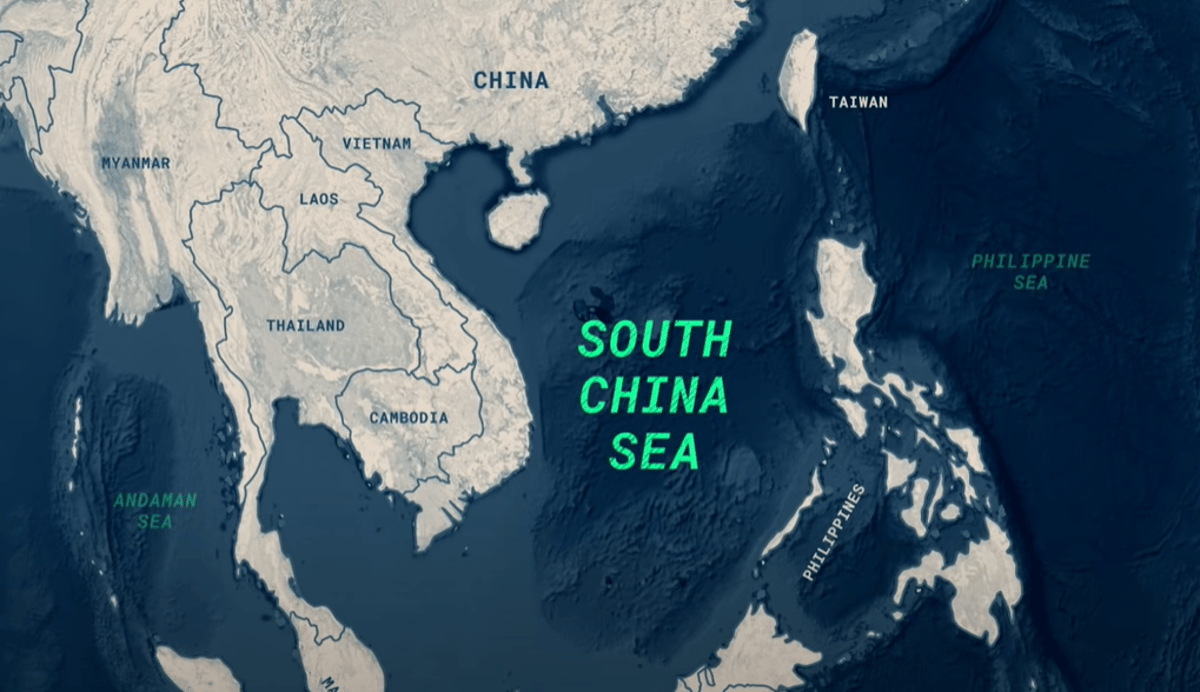
South China Sea Becomes a Contested One
Key Takeaways
- •China expands military bases on artificial islands in the South China Sea
- •New rules restrict commercial vessels' routes, increasing transit times
- •US and allies conduct freedom-of-navigation patrols to challenge restrictions
- •Shipping insurers raise premiums amid heightened geopolitical risk
Pulse Analysis
China’s systematic militarization of the South China Sea has evolved beyond island fortifications to a broader agenda of controlling commercial navigation. By installing radar, missile systems, and airfields on reclaimed reefs, Beijing can monitor and, if desired, deny passage to vessels that do not adhere to its newly articulated maritime guidelines. This shift reflects a strategic calculus: dominance over one of the world’s busiest trade corridors translates into leverage over global supply chains, a lever that Beijing can wield in diplomatic negotiations or economic coercion.
For shippers, the immediate impact is tangible. Rerouted voyages add days to transit times between East Asia and Europe, inflating fuel consumption and crew costs. Insurance firms have responded by raising premiums for vessels transiting contested waters, citing heightened risk of accidental encounters or deliberate interdiction. Companies are increasingly evaluating alternative routes, such as the Northern Sea Route during summer months, or investing in larger inventories to buffer against potential delays. The cumulative effect is a modest but measurable increase in freight rates, which can ripple through consumer prices for goods ranging from electronics to apparel.
The response from the United States and its regional partners underscores the geopolitical stakes. Freedom‑of‑navigation operations by U.S., Japanese, Australian, and Philippine navies aim to reaffirm the principle of open seas, while diplomatic efforts within ASEAN seek a multilateral code of conduct. However, Beijing’s assertiveness suggests a protracted contest, where economic imperatives intersect with strategic rivalry. Stakeholders must monitor policy shifts, naval deployments, and emerging legal frameworks to navigate an increasingly complex maritime environment.
South China Sea becomes a contested one
Comments
Want to join the conversation?