South Korea Reviews Role in Strait of Hormuz
Key Takeaways
- •HMM Namu explosion sparked Seoul's strategic reassessment.
- •All 24 crew members, including six Koreans, survived unharmed.
- •South Korea weighs US request against international law and security.
- •Strait of Hormuz remains critical chokepoint for global energy flow.
- •Decision could influence Korea‑U.S. alliance and regional stability.
Pulse Analysis
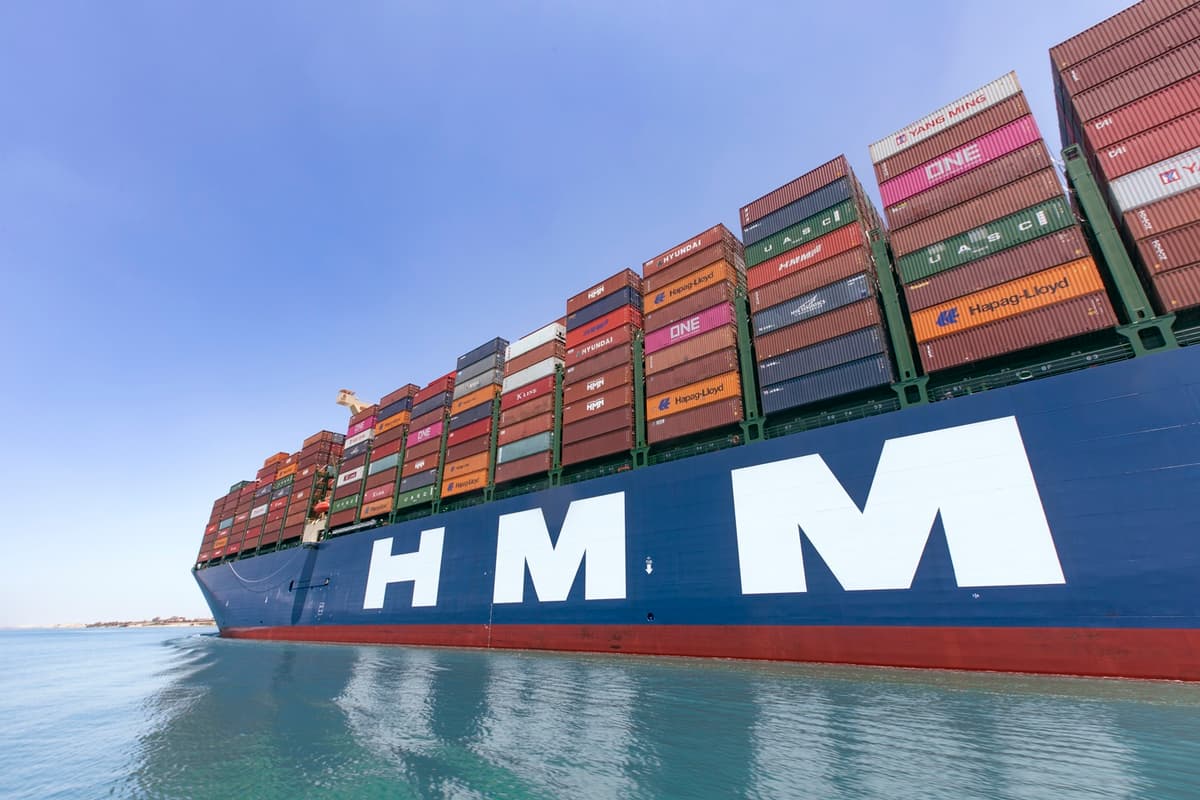
The recent blast on the HMM Namu underscores how a single maritime incident can reverberate through international security calculations. While the vessel was sailing under a Panama flag, its South Korean ownership ties the event directly to Seoul’s commercial fleet, which relies heavily on the Strait of Hormuz for oil and liquefied natural gas imports. The swift containment of the fire and the safe evacuation of the crew mitigated immediate humanitarian concerns, yet the episode has thrust South Korea into a broader debate about its role in protecting a waterway that handles roughly a fifth of global petroleum shipments.
Washington’s call for Seoul to join U.S.-led patrols reflects a classic alliance dynamic, but South Korean officials are treading carefully. The defense ministry emphasized adherence to international law, maritime safety standards, and the volatile security environment on the Korean Peninsula. By framing the decision as a balance between legal obligations and national security, Seoul signals its intent to maintain strategic autonomy while still honoring the U.S. partnership that underpins its defense posture. This nuanced stance also considers domestic political sensitivities, where public opinion may resist deeper military entanglement abroad.
The outcome of this review will have ripple effects across global trade and regional geopolitics. A Korean commitment to joint patrols could bolster deterrence against disruptions by state or non‑state actors, reassuring energy markets and stabilizing prices. Conversely, a decision to stay out may prompt the U.S. to seek additional partners, potentially reshaping the coalition of navies that monitor the strait. For South Korean exporters and importers, the stakes are clear: secure passage through Hormuz directly influences manufacturing costs and consumer prices, making the ministry’s deliberations a critical watchpoint for investors and policymakers alike.
South Korea reviews role in Strait of Hormuz
Comments
Want to join the conversation?