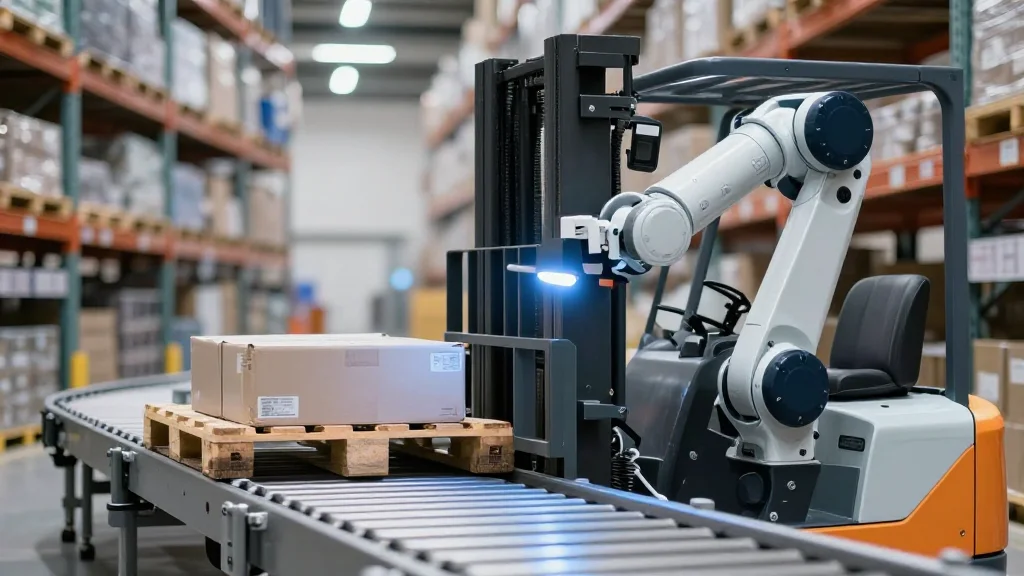
Supply Chain Technology: Types of Practical Supply Chain Tech
Key Takeaways
- •AI forecasting reduces stockouts and excess inventory.
- •IoT sensors provide real‑time shipment visibility.
- •3D printing cuts lead times and enables on‑demand parts.
- •Cloud SaaS gives small brands enterprise‑grade logistics tools.
- •Digital twins simulate disruptions to improve supply‑chain resilience.
Pulse Analysis
The rise of intelligent supply‑chain tools reflects a broader shift toward real‑time decision making. AI and machine‑learning models now ingest weather data, social‑media sentiment and geopolitical events to predict demand far beyond traditional statistical methods. Coupled with IoT devices that stream location and condition metrics, firms gain a continuous control‑tower view that can flag delays or damage before they cascade into costly stockouts. This convergence of predictive analytics and sensor data is redefining how companies balance inventory levels against service expectations.
Aerflo’s experience showcases practical benefits across the technology stack. By swapping a 60‑day outsourced cardboard insert for an in‑house 3D‑printed alternative, the company shaved weeks off its packaging lead time and reduced material costs. Its cloud ecosystem—linking Shopify sales, QuickBooks cash flow and Google Sheets inventory—demonstrates how SaaS platforms can replace heavyweight ERP systems for fast‑growing brands. Meanwhile, a digital twin of its multi‑leg logistics network allowed Aerflo to model tariff scenarios and select the most resilient sourcing configuration, turning a complex tariff landscape into a manageable risk.
For executives, the strategic imperative is clear: integrate these tools to build a supply chain that is both efficient and resilient. While adoption costs and data‑integration challenges remain, the payoff includes lower operating expenses, faster time‑to‑market and the ability to pivot when disruptions arise. As more vendors offer modular, API‑first solutions, even mid‑size manufacturers can assemble a customized tech stack that scales with growth, positioning them to compete with industry giants on agility and cost efficiency.
Supply Chain Technology: Types of Practical Supply Chain Tech
Comments
Want to join the conversation?