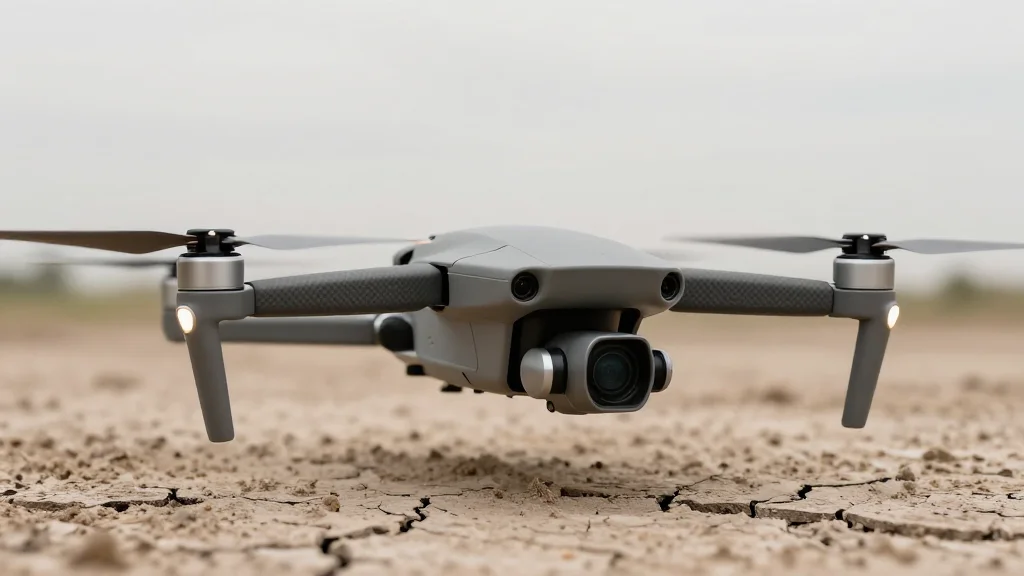
The Future of Drone Tech: Mid-Range Drones
Key Takeaways
- •Ukrainian forces modify cheap drones to autonomously strike moving targets
- •Effective range spans 10‑200 km, eroding traditional rear‑area safety
- •Hundreds of strikes daily threaten logistics from front lines to depots
- •Modifications cost $15‑$100 per unit, enabling tens of thousands monthly
- •Russian countermeasures lag, but future electronic defenses could narrow advantage
Pulse Analysis
The latest wave of mid‑range drone innovation in Ukraine illustrates how modest hardware upgrades can generate outsized battlefield effects. By attaching a low‑cost processor and a modest memory module to proven platforms such as the Seth or Dart, Ukrainian operators have transformed hobby‑grade UAVs into semi‑autonomous weapons capable of identifying and engaging moving targets at distances up to 200 km. This leap bridges the gap between short‑range tactical drones and long‑range strike systems, creating a new class of affordable, scalable assets that can be fielded in the tens of thousands.
Operationally, the proliferation of these drones collapses the traditional rear‑area buffer that armies have relied on for logistical security. Hundreds of daily strikes now threaten everything from fuel trucks to ammunition depots, forcing Russian units to retreat further from the front and disrupting their supply chains. The loss of strategic depth—once a cornerstone of Russian defense—means that even assets located hundreds of kilometers from the front are vulnerable, accelerating Ukrainian territorial gains and reshaping the conduct of the war.
Economically, the model is strikingly viable: each conversion costs between $15 and $100, allowing mass production without straining Ukraine’s defense budget. While Russia may eventually develop electronic warfare or AI‑driven counter‑measures, the current asymmetry favors Ukraine, highlighting a broader trend toward low‑cost autonomous systems in modern warfare. Defense planners worldwide will need to reassess procurement strategies, as the barrier to fielding effective strike drones continues to fall, potentially democratizing airpower in future conflicts.
The Future of Drone Tech: Mid-Range Drones
Comments
Want to join the conversation?