The Iran War Approaches a Tipping Point
Key Takeaways
- •Iran's crude storage (~30-35 million barrels) expected to fill this week
- •Full storage forces Iran to shut in wells, risking long‑term output loss
- •Well shutdown could degrade Iran's oil revenue for years
- •IRGC may feel pressure, opening window for U.S. policy shift
- •Blockade of Strait of Hormuz intensifies global fuel shortages
Pulse Analysis
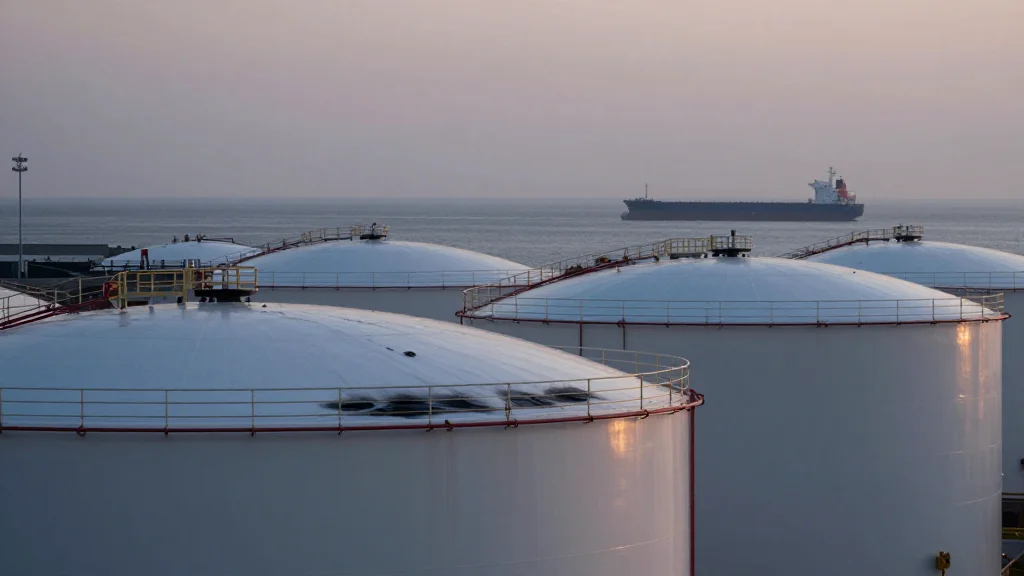
The U.S. blockade of the Strait of Hormuz has already throttled the flow of jet fuel and other refined products, sending ripples through global supply chains. By restricting Iran’s ability to move crude, the strategy has turned a short‑term revenue hit into a logistical bottleneck. Analysts estimate Iran holds roughly 30‑35 million barrels of crude in on‑shore storage, primarily at Kharg Island, a capacity that is now poised to be saturated within days. This saturation marks a pivotal moment where the blockade shifts from a revenue squeeze to a production crisis.
When storage fills, Iranian operators must shut in oil wells to prevent over‑pressurization, a process that can cause irreversible damage to reservoir pressure and infrastructure. Historical data shows that well shut‑ins, especially prolonged ones, lead to steep declines in output and costly re‑commissioning efforts. For a nation that exports about one million barrels per day, losing even a fraction of that capacity translates into billions of dollars of foregone revenue over the coming years. The economic shock will reverberate through Iran’s budget, which relies heavily on oil sales to fund public services and military expenditures.
The strategic calculus for the Islamic Revolutionary Guard Corps (IRGC) changes dramatically when its primary cash flow is threatened. Historically, the IRGC has leveraged oil smuggling and sales to fund its paramilitary activities. Facing imminent production loss, the organization may be more receptive to diplomatic overtures or policy concessions from Washington. While the Trump administration’s options remain speculative, the convergence of storage capacity limits and well‑shutdown risks creates a narrow window for leverage. Stakeholders in energy markets and geopolitical risk circles should monitor Iranian policy signals closely, as any shift could ripple through oil prices and regional stability.
The Iran War Approaches a Tipping Point
Comments
Want to join the conversation?