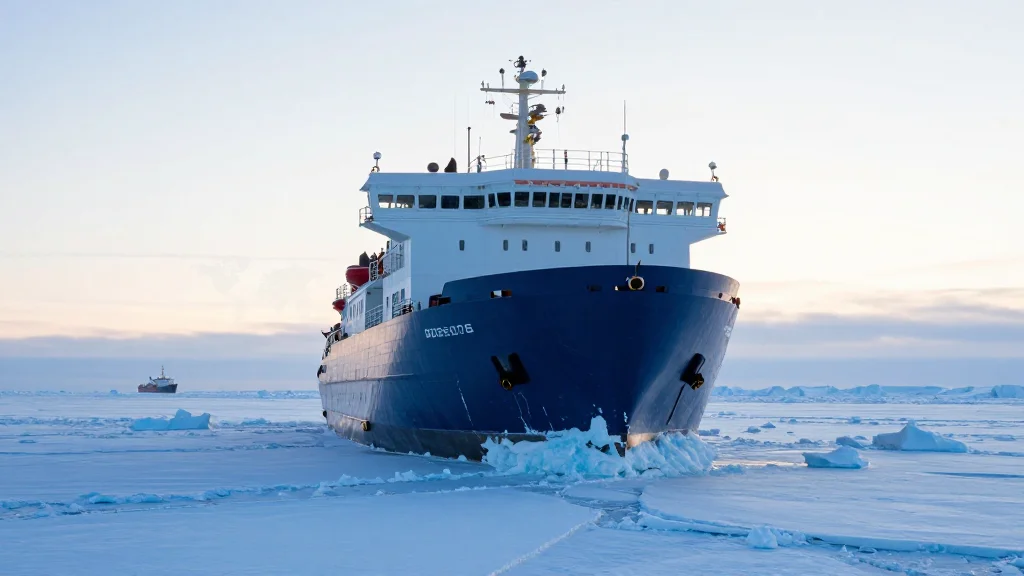
The North Sea Route as an Alternative to the Hormuz-Red Sea Conundrum
Key Takeaways
- •Arctic ice melt shortens NSR transit time by up to 40%
- •Russia requires prior authorization and icebreaker escort for NSR vessels
- •30% of global fertilizer exports previously relied on Hormuz
- •India could cut shipping distance to Europe by 3,000 nautical miles
- •U.S. and China eye NSR to diversify energy supply chains
Pulse Analysis
The twin crises in Hormuz and the Red Sea have exposed how narrow maritime passages can become geopolitical weapons, prompting shippers to seek routes that are less vulnerable to state or non‑state interference. The North Sea Route, once a seasonal curiosity, is now gaining traction as Arctic ice retreats faster than projected. By cutting travel distances between the Middle East, Europe and Asia by several thousand nautical miles, the NSR promises lower fuel consumption and faster delivery times, offering a compelling economic case for carriers willing to navigate its regulatory maze.
Russia’s claim that the NSR is internal water means every foreign vessel must secure prior permission and often hire Russian icebreakers, a requirement that clashes with the United Nations Convention on the Law of the Sea’s guarantee of innocent passage. While Moscow frames the rules as environmental safeguards under the “Arctic Exception,” the United States and other maritime nations argue the restrictions violate established international norms. This legal tug‑of‑war adds uncertainty for commercial operators, who must weigh the cost of compliance against the potential savings from a shorter route.
For energy‑hungry economies like India and Southeast Asia, the NSR could become a strategic hedge against recurring Middle‑East supply shocks. A year‑round Arctic corridor would allow these markets to tap Russian LNG, U.S. crude and diversified oil sources while reducing reliance on the congested Suez and Hormuz passages. However, shifting traffic northward also risks entangling Asian importers in a new geopolitical rivalry between Washington and Moscow, especially if the Bering Strait becomes a flashpoint. Stakeholders are therefore watching infrastructure investments, ice‑breaker fleets and diplomatic negotiations closely, as the balance between cost efficiency and geopolitical risk will determine the NSR’s long‑term role in global trade.
The North Sea Route as an Alternative to the Hormuz-Red Sea Conundrum
Comments
Want to join the conversation?