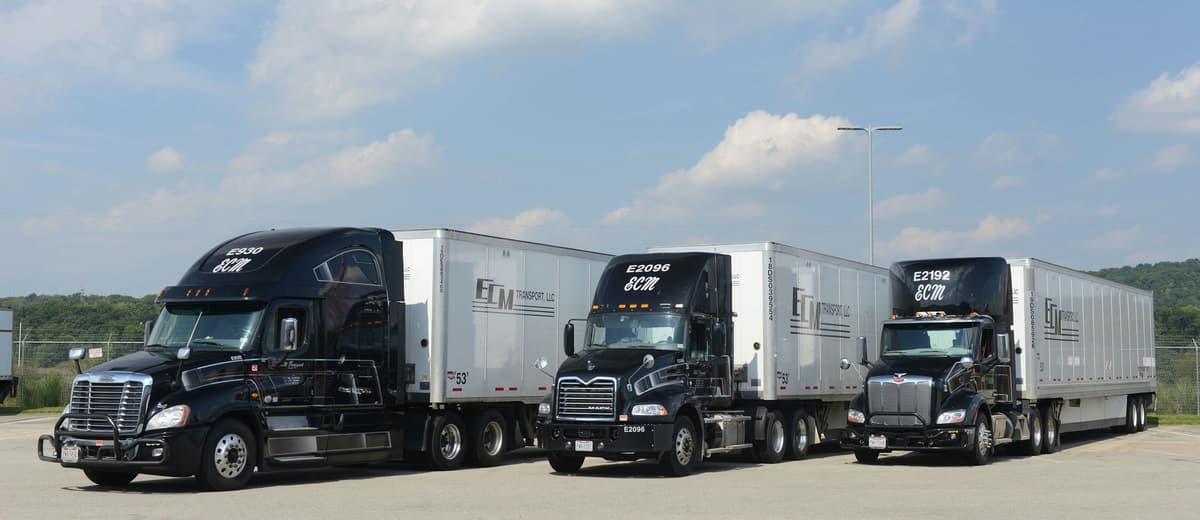
What Happened to ECM Transport?
•March 6, 2026
0
Key Takeaways
- •Werner dissolves ECM Transport, acquired in 2021.
- •One‑Way truck count fell 10% year‑over‑year.
- •Strategy targets expedited, Mexico, and dedicated freight.
- •FirstFleet acquisition creates fifth‑largest dedicated carrier.
- •Drivers face layoffs; few OTR offers extended.
Summary
Werner Enterprises announced a restructuring of its One‑Way network, dissolving ECM Transport, which it acquired in 2021. The move reflects a strategic shift toward higher‑margin segments such as expedited, dedicated and cross‑border Mexico freight. Werner’s One‑Way truck count fell 10% year‑over‑year, while the recent FirstFleet acquisition positions it as the fifth‑largest dedicated carrier in the U.S. Drivers from ECM face layoffs, with limited reassignment options.
Pulse Analysis
Werner Enterprises is tightening its One‑Way operations by shedding underperforming assets and concentrating on segments that promise higher margins. The dissolution of ECM Transport, a 2021 acquisition that expanded Werner’s Mid‑Atlantic footprint, underscores a deliberate pivot away from volatile, transactional freight. By reducing its truck count by roughly 10% and integrating FirstFleet—now the fifth‑largest dedicated carrier—Werner aims to streamline its fleet, lower overhead, and enhance service reliability in expedited, dedicated, and cross‑border Mexico lanes.
For drivers, the restructuring translates into immediate job uncertainty. ECM’s long‑time driver Eli Yoder reported a March 4 notification that the unit would dissolve, offering limited alternatives such as OTR positions, which he declined. Werner’s broader strategy includes deploying asset‑light PowerLink carriers, reducing reliance on company‑owned trucks while still maintaining market presence. This approach reflects a growing industry trend where carriers prioritize flexibility and cost efficiency, leveraging third‑party assets to meet fluctuating demand without the capital intensity of a large owned fleet.
Investors and market observers view Werner’s moves as a proactive response to tightening freight markets and shifting customer expectations. By focusing on expedited, dedicated, and Mexican cross‑border services, Werner positions itself to capture premium pricing and more predictable revenue streams. The FirstFleet acquisition not only expands its dedicated capacity but also signals confidence in a segment less susceptible to economic cycles. As the trucking sector continues to consolidate, Werner’s leaner, specialized model may set a benchmark for peers seeking sustainable growth amid evolving logistics landscapes.
Comments
Want to join the conversation?