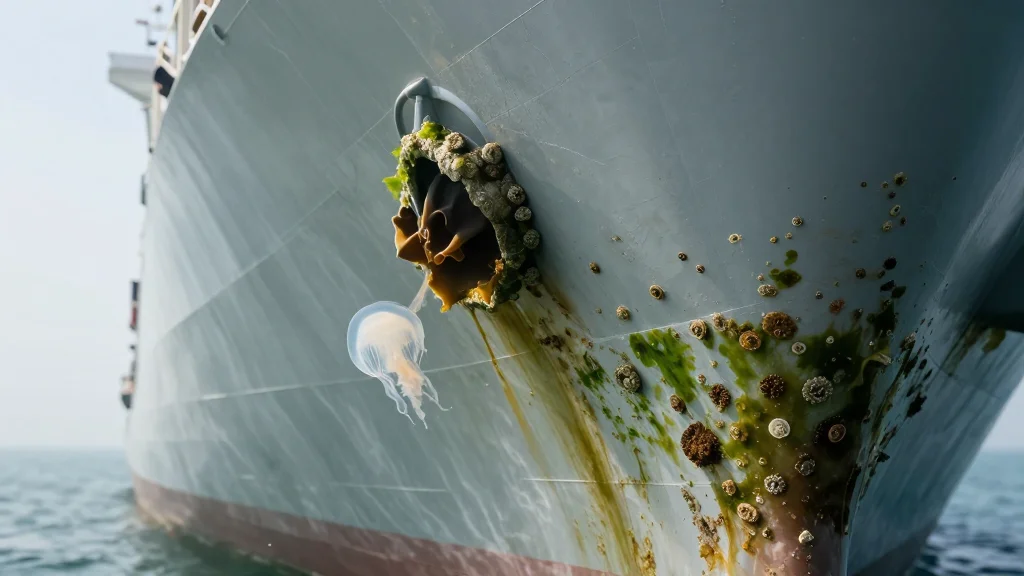
800 Gulf Vessels Stranded as Barnacles, Jellyfish and Soaring Freight Rates Choke Trade

Companies Mentioned
Why It Matters
The Gulf bottleneck illustrates how geopolitical shocks can cascade into operational and environmental challenges that amplify supply‑chain risk. Biological fouling not only raises fuel consumption but also adds costly maintenance delays, threatening the reliability of a corridor that moves a sizable share of global oil and container traffic. The freight‑rate explosion forces shippers to re‑evaluate cost structures, potentially accelerating a shift toward near‑shoring or diversification of routes. Dubai Customs' emergency response highlights the growing role of customs authorities as de‑facto supply‑chain coordinators. Their digital tools and cross‑border collaboration may become a template for other regions facing similar disruptions, underscoring the need for resilient, technology‑enabled trade facilitation.
Key Takeaways
- •Approximately 800 merchant ships are anchored in Gulf waters after February fighting.
- •Barnacles, algae and jellyfish have fouled up to 40% of hulls and propellers on stranded vessels.
- •Freight rates on alternative Gulf routes have risen four to six times normal levels.
- •Dubai Customs introduced a green cargo corridor, extended transit windows to 90 days, and a one‑stop shop for traders.
- •98% of customs declarations are auto‑approved within seven seconds despite the crisis.
Pulse Analysis
The Gulf crisis underscores a convergence of geopolitical, environmental and operational risks that can quickly destabilise a critical maritime artery. Historically, the Strait of Hormuz has been a chokepoint for oil, but the current scenario shows that even peripheral Gulf waters can become a systemic bottleneck when ships are forced to idle for extended periods. The biological fouling problem is not merely a maintenance issue; it translates directly into higher fuel burn, increased emissions and inflated operating costs, eroding the thin profit margins of container lines already strained by volatile freight rates.
From a competitive standpoint, carriers with larger, more flexible fleets are better positioned to absorb the cost of rerouting and cleaning, while smaller operators may face insolvency or be forced to exit the market. Dubai Customs' rapid digital response demonstrates how public‑sector agility can mitigate private‑sector vulnerabilities, but the long‑term solution will likely require investment in port infrastructure at secondary hubs and the development of anti‑fouling technologies. Companies that pre‑emptively adopt hull‑coating innovations or partner with marine‑cleaning firms could gain a cost advantage as the industry grapples with similar bio‑fouling threats in warming seas.
Looking ahead, the prolonged anchorage of vessels could trigger a reassessment of global shipping lane risk models. Insurers may raise premiums for Gulf‑area voyages, while shippers could diversify away from sea freight for high‑value or time‑sensitive goods. The episode may also accelerate policy discussions around strategic stockpiles and alternative energy routes, reinforcing the importance of supply‑chain resilience in an era of heightened geopolitical tension.
800 Gulf vessels stranded as barnacles, jellyfish and soaring freight rates choke trade
Comments
Want to join the conversation?
Loading comments...