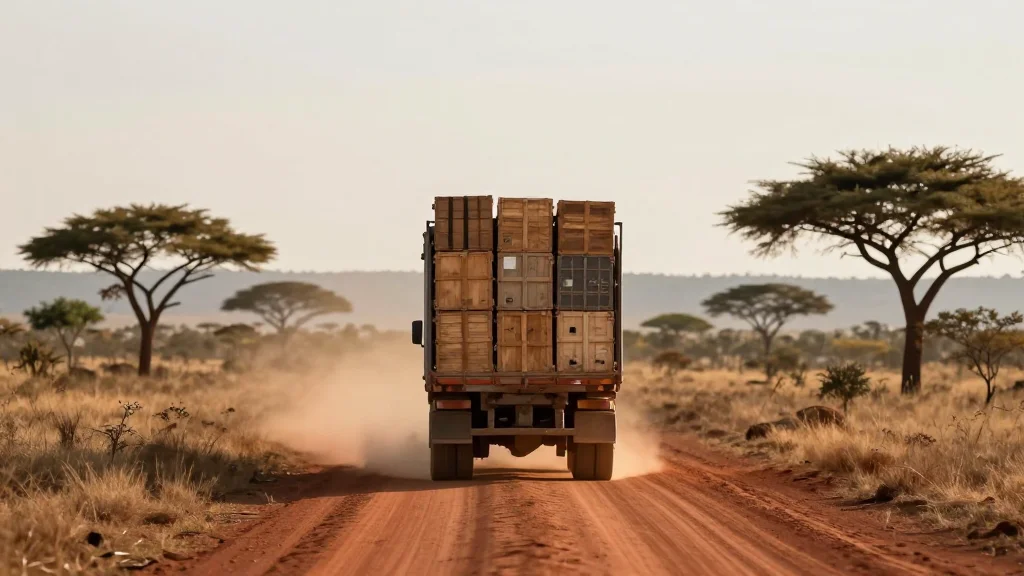
Africa’s Free Trade Goes Digital, but Ground Reality Bites
Companies Mentioned
Why It Matters
Adapt could unlock cheaper digital payments, but without closing the massive logistics gap, the AfCFTA’s growth potential remains constrained, affecting investors and policymakers across Africa.
Key Takeaways
- •Adapt platform launches in Kenya, Nigeria, Morocco to cut payment costs
- •Intra‑African trade remains low at 16% due to infrastructure gaps
- •$150 billion needed to close continent‑wide logistics shortfall
- •Rail corridor projects like SGR and Lobito face financing delays
- •EAC‑ECOWAS trade surged 55% YoY, indicating shifting regional ties
Pulse Analysis
The Adapt initiative marks a significant step toward digitising Africa’s trade ecosystem. By linking digital identities and interoperable payment rails across three pilot nations, the platform promises to slash the high fees that have long plagued intra‑African transactions—fees that the World Bank estimates can add up to 35 percent on remittances and make cross‑border trade up to 50 percent more expensive. For businesses operating under the African Continental Free Trade Area, a smoother, lower‑cost payment layer could accelerate market entry and boost supply‑chain efficiency, positioning Africa as a more attractive destination for foreign investment.
However, the digital breakthrough confronts stubborn physical barriers. Exporters like Tanzania’s MeTL Group and Kenya’s Tetra Pak cite prohibitive logistics costs, from lengthy sea routes around the Cape of Good Hope to four‑month road hauls across the continent. The African Development Bank’s $150 billion infrastructure gap underscores the scale of the challenge, with rail projects such as the Standard Gauge Railway and the Lobito Corridor stalled by financing shortfalls. Until these corridors are operational, the cost advantage offered by Adapt may be eclipsed by the price of moving goods.
Despite these hurdles, trade data signals a positive shift. The East African Community’s trade with ECOWAS jumped 55 percent year‑on‑year, outpacing growth with the EU and indicating a re‑orientation toward intra‑African markets. Policymakers and private sector leaders are therefore urged to pair digital solutions like Adapt with accelerated investment in transport infrastructure. A coordinated approach could transform the AfCFTA from a paper agreement into a vibrant, resilient market, delivering broader economic inclusion across the continent.
Africa’s free trade goes digital, but ground reality bites
Comments
Want to join the conversation?
Loading comments...