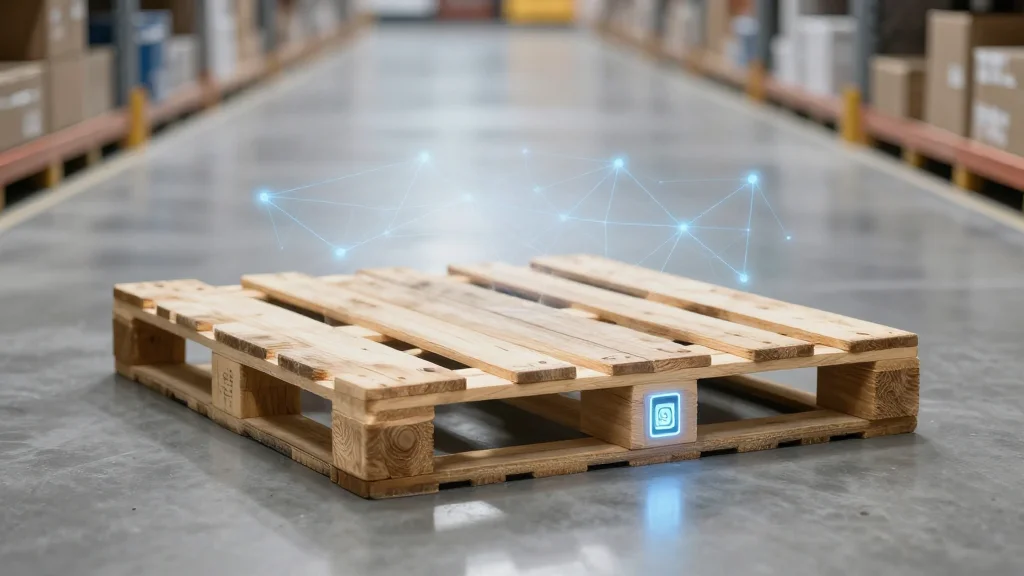
AI: Amplifying Human Capability
Companies Mentioned
Why It Matters
AI’s rapid adoption will reshape logistics efficiency, but the competitive edge will belong to firms that upskill employees to manage and scale autonomous technologies.
Key Takeaways
- •Walmart's RFID mandate evolved from pilot to industry standard
- •AI adoption in logistics is accelerating faster than any prior tech
- •Success hinges on reskilling workers to supervise autonomous systems
- •70% of logistics execs now prioritize autonomous supply chain investments
Pulse Analysis
The evolution of RFID at Walmart offers a blueprint for emerging technologies in supply chain management. Early adoption was hampered by high tag costs and unreliable reads, but as hardware prices fell and data accuracy improved, retailers leveraged item‑level tagging to cut out‑of‑stock incidents and boost inventory precision. This gradual, data‑driven scaling demonstrated that technology succeeds when it integrates seamlessly into existing processes rather than forcing a wholesale overhaul.
Artificial intelligence is following a similar trajectory, but its ascent has been dramatically faster. Machine‑learning models now predict demand fluctuations, optimize routing, and automate routine warehouse tasks in real time. Yet the industry’s biggest hurdle is not the algorithms themselves but the talent gap: logistics firms must reskill workers to interpret AI outputs, oversee robotic fleets, and maintain system integrity. Companies that invest in continuous learning programs will transform AI from a disruptive threat into a productivity catalyst.
Strategically, the shift toward autonomous supply chains is reshaping capital allocation. Accenture’s finding that 70% of logistics executives rank autonomous operations as a top priority signals a wave of investment in AI‑enabled platforms, edge computing, and digital twins. The firms that combine these technologies with a workforce capable of supervising and refining them will achieve faster response times, lower operating costs, and greater resilience against geopolitical and labor market shocks. In this new paradigm, AI amplifies human decision‑making, turning data into actionable insight rather than replacing the human element altogether.
AI: Amplifying human capability
Comments
Want to join the conversation?
Loading comments...