Aiding Piped Gas Push
Why It Matters
The policy response safeguards energy security for households and critical services, while the CSST opportunity could reshape India’s gas‑distribution infrastructure and spur a new growth segment for manufacturers.
Key Takeaways
- •LPG production up 25%; daily output 50 TMT meets 60% demand
- •PNG connections rose 290,000 in March, targeting 5 crore by 2030
- •GI pipe aesthetics and safety hinder PNG adoption in premium buildings
- •CSST offers flexible, leak‑proof solution, cutting installation time and cost
Pulse Analysis
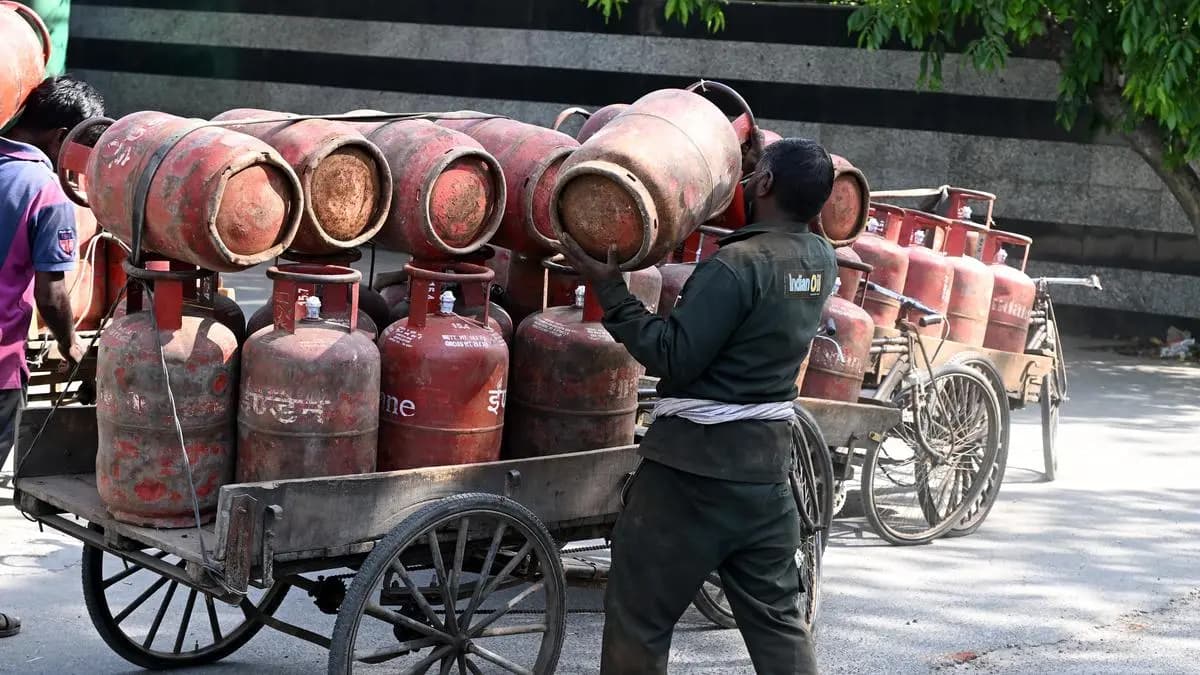
India’s LPG crunch illustrates how geopolitical shocks can quickly cascade into domestic supply bottlenecks. When Iranian strikes choked the Strait of Hormuz, imports faltered and cylinder stocks vanished from retail shelves. The government’s swift issuance of the Natural Gas and Petroleum Products Distribution Order 2026 forced refineries to lift output by a quarter and introduced a 25‑day inter‑booking window, curbing speculative hoarding. By temporarily suspending commercial natural‑gas deliveries to hotels and restaurants, policymakers prioritized essential services, stabilizing prices and restoring confidence among consumers.
The crisis has also acted as a catalyst for the nation’s long‑term PNG agenda. In March alone, more than 290,000 new PNG connections were installed, pushing the total domestic base toward the 1.6 crore mark. Yet premium developers remain hesitant, citing the unsightly, corrosion‑prone galvanized‑iron (GI) pipes that dominate current installations. These pipes not only mar building aesthetics but also pose leakage risks in extreme weather. Corrugated Stainless‑Steel Tubing (CSST) directly addresses these pain points: its lightweight, flexible design slides through walls like electrical wiring, eliminates the need for multiple threaded joints, and resists hydrogen embrittlement, delivering faster, safer, and cheaper deployments.
For the CSST industry, the moment is decisive. As India strives to reach five crore PNG connections by 2030, builders of luxury apartments, malls, hospitals, and industrial kitchens will seek solutions that combine safety, visual appeal, and cost efficiency. CSST’s rapid install times and reduced labor expenses position it as the preferred conduit for next‑generation gas infrastructure. This shift not only strengthens energy resilience during future geopolitical disruptions but also creates a sizable, export‑ready market for Indian manufacturers, potentially reshaping the country’s gas‑distribution supply chain for years to come.
Aiding piped gas push
Comments
Want to join the conversation?
Loading comments...