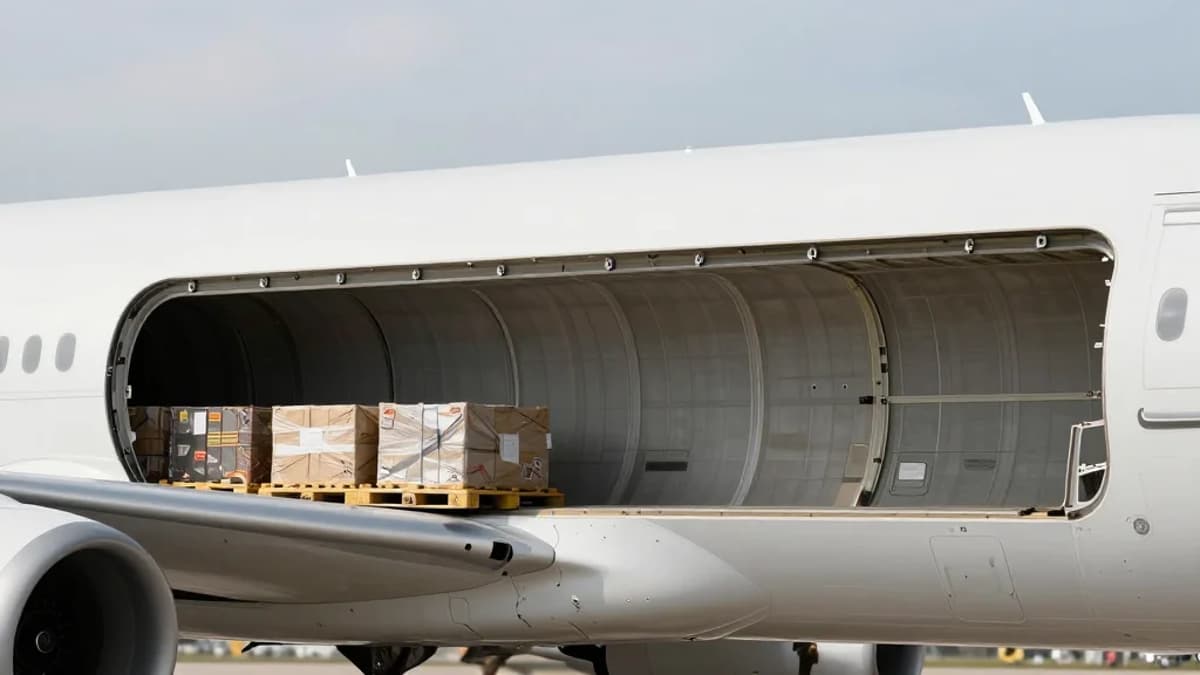
Air Freight Backlog Set to Gridlock Asia Airports Amid Middle East Conflict: K+N CEO
•March 3, 2026
0
Why It Matters
The bottleneck will inflate shipping costs and delay deliveries, eroding supply‑chain reliability for exporters and manufacturers worldwide.
Key Takeaways
- •Middle East conflict grounds significant air cargo capacity.
- •Asian freight to US/Europe faces imminent backlogs.
- •Kuehne+Nagel Q4 volumes rose 6% to 595k tons.
- •China and Southeast Asia hubs most affected.
- •Backlogs could increase shipping costs and delays.
Pulse Analysis
The escalation of hostilities in the Middle East has forced several airlines to suspend or curtail flights that traverse the region, effectively removing a critical corridor for trans‑Pacific and trans‑Atlantic cargo. With a notable portion of the global air‑freight fleet grounded, capacity constraints are rapidly translating into queuing aircraft and cargo pallets at major Asian airports. This sudden supply‑side shock is compounded by the fact that many forwarders, including Kuehne + Nagel, rely on tight schedules to meet just‑in‑time inventory models, making the emerging backlog a systemic risk.
For exporters in China, Vietnam, Thailand and neighboring economies, the looming gridlock threatens to delay shipments destined for high‑value markets in the United States and Europe. Companies may be forced to shift cargo to slower ocean routes, absorb higher air‑freight premiums, or hold additional inventory as a buffer. Forwarding firms are already re‑routing limited capacity to less congested hubs and negotiating priority slots, but the overall cost pressure is expected to ripple through product pricing and margins across sectors ranging from electronics to apparel.
Looking ahead, the episode highlights the fragility of a logistics network heavily dependent on a few geopolitical corridors. Industry analysts predict that shippers will accelerate diversification strategies, including greater use of inland multimodal corridors and investment in regional air‑cargo hubs less exposed to Middle Eastern volatility. While capacity is expected to normalize once diplomatic tensions ease, the short‑term disruption underscores the need for resilient supply‑chain designs that can absorb sudden geopolitical shocks without compromising service levels.
Air freight backlog set to gridlock Asia airports amid Middle East conflict: K+N CEO
0
Comments
Want to join the conversation?
Loading comments...