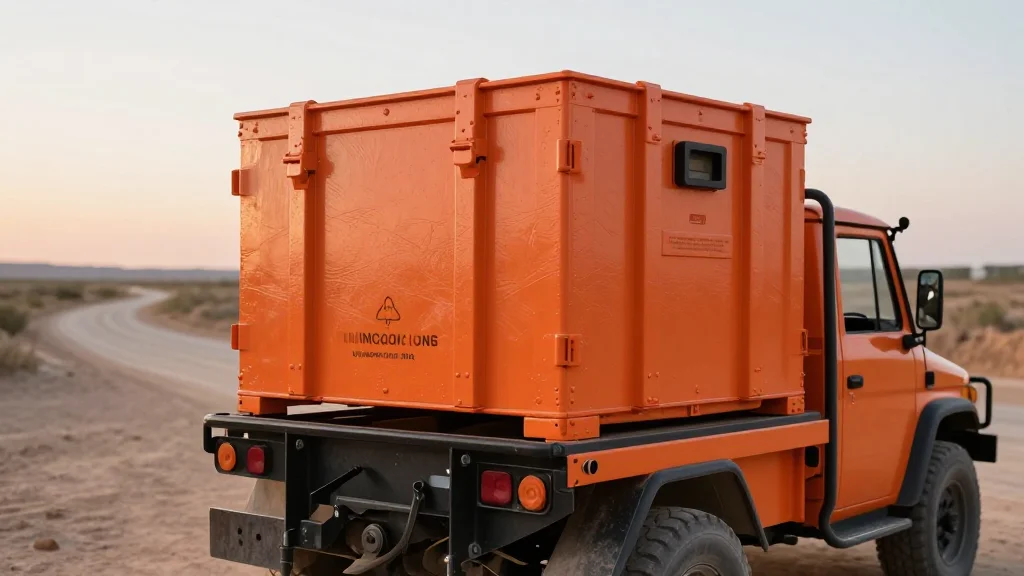
ALAN Launches 2026 Survey on Disaster Logistics Gaps
Why It Matters
Understanding coordination bottlenecks and funding constraints is critical for accelerating aid delivery during crises. The survey’s findings will help shape more resilient, cross‑sector disaster‑response strategies.
Key Takeaways
- •ALAN's fourth annual Humanitarian Logistics Survey opens May 31, 2026
- •Survey targets nonprofits, governments, logistics firms, and private businesses
- •Findings aim to address funding uncertainty and cross‑sector coordination gaps
- •Insights already drove ALAN's expanded education and “Logistics Ready” programs
- •Survey examines private‑sector motivations for funding and logistical support
Pulse Analysis
Disaster logistics remains one of the most complex challenges in humanitarian aid, where speed, cost and availability can mean the difference between life and death. As climate‑related events increase in frequency, the supply chain that moves food, medicine and shelter materials must become more agile. ALAN, a leading coalition of logistics experts, has positioned itself at the nexus of nonprofit, government and private‑sector efforts, offering a unique perspective on how these pieces fit together.
The 2026 Humanitarian Logistics Survey builds on three years of data collection, inviting a broad cross‑section of stakeholders to share real‑world experiences. By focusing on funding uncertainty, cross‑sector collaboration, and the motivations that drive private companies to contribute resources, the survey aims to surface actionable gaps that have persisted despite previous recommendations. Respondents will provide quantitative metrics and qualitative insights that ALAN will synthesize into a comprehensive report, slated for release after the May 31 deadline.
For the industry, the survey’s outcomes could catalyze a shift from reactive relief to proactive resilience. ALAN already plans to translate findings into expanded logistics education for nonprofits and the rollout of its “Logistics Ready” program, which equips organizations with pre‑positioned assets and standardized procedures. Private‑sector participants stand to benefit from clearer pathways to demonstrate corporate social responsibility while improving operational efficiency. Ultimately, the data will help shape policy discussions around federal disaster funding and encourage a more coordinated, cost‑effective response ecosystem.
ALAN launches 2026 survey on disaster logistics gaps
Comments
Want to join the conversation?
Loading comments...