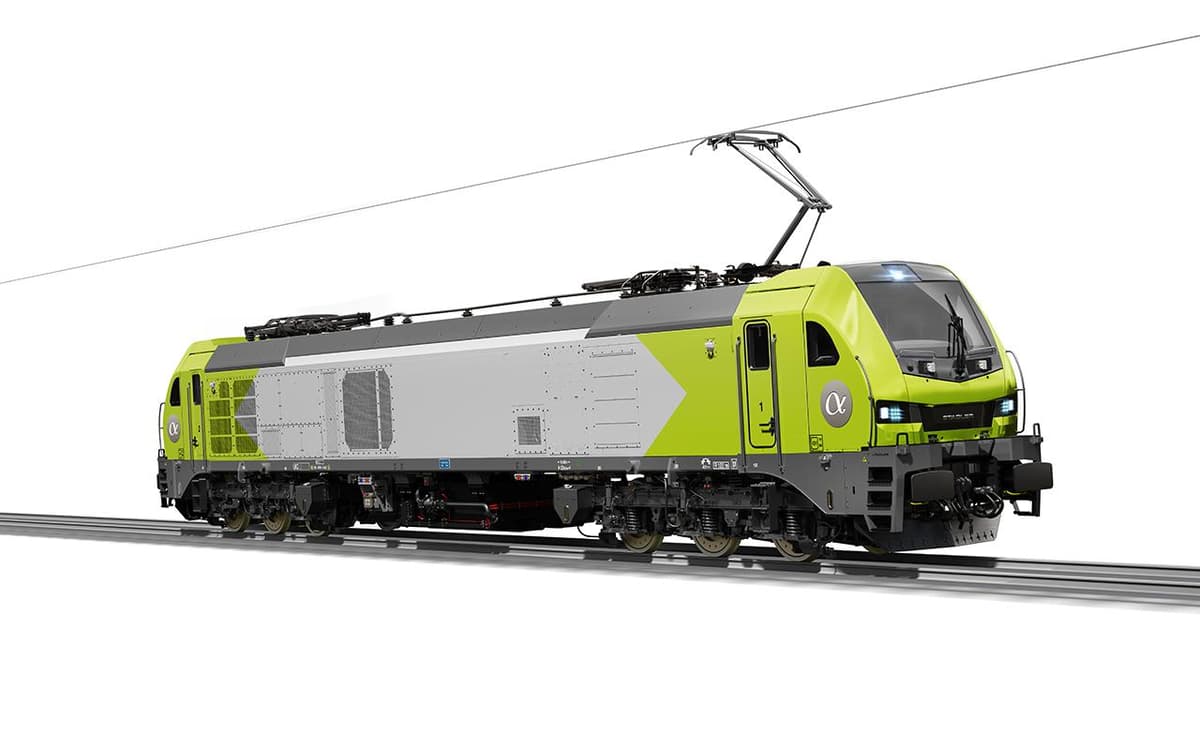
Alpha Trains and Lineas Lease EURO9000 Locomotives for Rhine Alpine Corridor
•March 4, 2026
0
Why It Matters
The deal signals a decisive move toward hybrid, low‑emission traction in European freight, enhancing operational flexibility while cutting carbon footprints on a key trade artery.
Key Takeaways
- •Two EURO9000 hybrids leased for Rhine Alpine freight corridor.
- •Hybrid design bridges electrified and non‑electrified routes.
- •€15 million German funding offsets investment costs.
- •Alpha Trains’ 2023 order includes twelve EURO9000 units.
- •Lineas will deploy units primarily in Germany.
Pulse Analysis
The Rhine Alpine corridor links the North Sea to the Mediterranean, handling a substantial share of Europe’s intermodal freight. As capacity pressures rise and climate regulations tighten, operators are seeking technologies that can sustain high‑volume, long‑haul services without relying solely on full electrification. Hybrid locomotives like the EURO9000 provide a pragmatic bridge, delivering electric efficiency where catenary exists and diesel power where gaps remain, thereby preserving throughput while meeting emerging emissions standards.
Stadler’s EURO9000 combines a six‑axle platform with a dual‑mode powertrain, enabling seamless transitions between electric and diesel operation. This flexibility is crucial for the patchwork of electrified routes across Germany, Austria, and Italy. Alpha Trains’ decision to order twelve units and lease two to Lineas reflects confidence in the model’s reliability and its alignment with a full‑service lease structure that transfers maintenance risk to the manufacturer. Such arrangements lower capital exposure for freight operators and accelerate fleet modernization, positioning the EURO9000 as a backbone for next‑generation rail logistics.
The €15 million subsidy from Germany’s Federal Ministry of Transport underscores public policy support for greener rail solutions. By offsetting part of the capital outlay, the funding reduces the financial barrier for adopting hybrid traction, encouraging broader uptake across the sector. This collaboration between private leasing firms, operators, and government bodies illustrates a scalable pathway toward decarbonising freight corridors, suggesting that similar hybrid‑focused initiatives may become a standard component of Europe’s rail freight strategy.
Alpha Trains and Lineas lease EURO9000 locomotives for Rhine Alpine corridor
0
Comments
Want to join the conversation?
Loading comments...