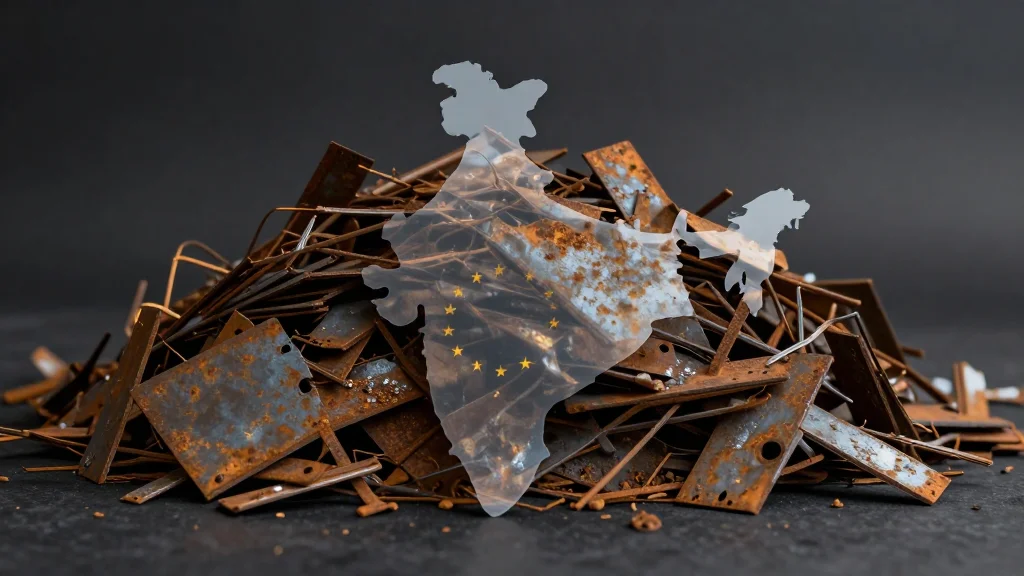
Aluminium Recyclers Push for Duty Cut as Supply Tightens Globally
Companies Mentioned

Why It Matters
A duty cut would lower input costs for MSMEs, boost competitiveness, and help secure a reliable recycled‑aluminium supply essential for India’s growth and decarbonisation targets.
Key Takeaways
- •India imports 85% of aluminium scrap, 2.5% duty adds cost
- •Scrap supplies 40% of India's aluminium, crucial for auto and construction
- •EU export limits and Middle East tensions tighten global scrap availability
- •Tariff removal could improve MSME margins while preserving primary producers
Pulse Analysis
India’s aluminium sector is increasingly constrained by a fragile supply chain for secondary metal. The country imports roughly 85 % of the 2.2 million metric tons of scrap it consumes each year, paying a 2.5 % customs duty that raises input costs for downstream users. Recent geopolitical shocks – the EU’s planned export curbs and disruptions linked to the U.S.–Israeli conflict over Iran – have further tightened global scrap flows, prompting industry groups to lobby the Prime Minister’s Office for a duty waiver.
For micro, small and medium‑sized enterprises (MSMEs) that dominate the recycling landscape, the tariff translates into higher working‑capital requirements and limits access to high‑quality feedstock. Scrap currently accounts for about 40 % of India’s total aluminium supply, feeding the auto, construction, foil and cable markets, and it plays a pivotal role in the sector’s decarbonisation agenda because recycling consumes roughly 95 % less energy than primary production. Analysts at BigMint project domestic consumption to hit 8.5‑9.0 million metric tons by FY30, underscoring the strategic importance of affordable recycled input.
Eliminating the import duty could lower costs, improve the competitiveness of MSMEs, and stimulate downstream manufacturing without materially harming primary producers such as Vedanta, Hindalco and National Aluminium. However, a lasting solution will require strengthening domestic scrap collection, urban‑mining initiatives, and clear recycled‑content mandates. Policymakers face a trade‑off between short‑term price relief and long‑term supply security; a calibrated tariff reduction paired with incentives for local scrap generation could align industry growth with India’s climate goals and reduce reliance on volatile overseas markets.
Aluminium recyclers push for duty cut as supply tightens globally
Comments
Want to join the conversation?
Loading comments...