Amid Middle East Conflict, ASEAN Countries Eye More Coordinated Response to Future Crises
Why It Matters
A unified ASEAN framework can mitigate supply shocks and geopolitical risks, protecting regional economies and global trade routes. Strengthened coordination also signals collective diplomatic weight in addressing crises beyond the Middle East.
Key Takeaways
- •ASEAN proposes a crisis communication protocol for coordinated emergency response.
- •Ministers discussed diversifying energy sources and strengthening food security.
- •Divergent energy dependencies may limit unified actions among member states.
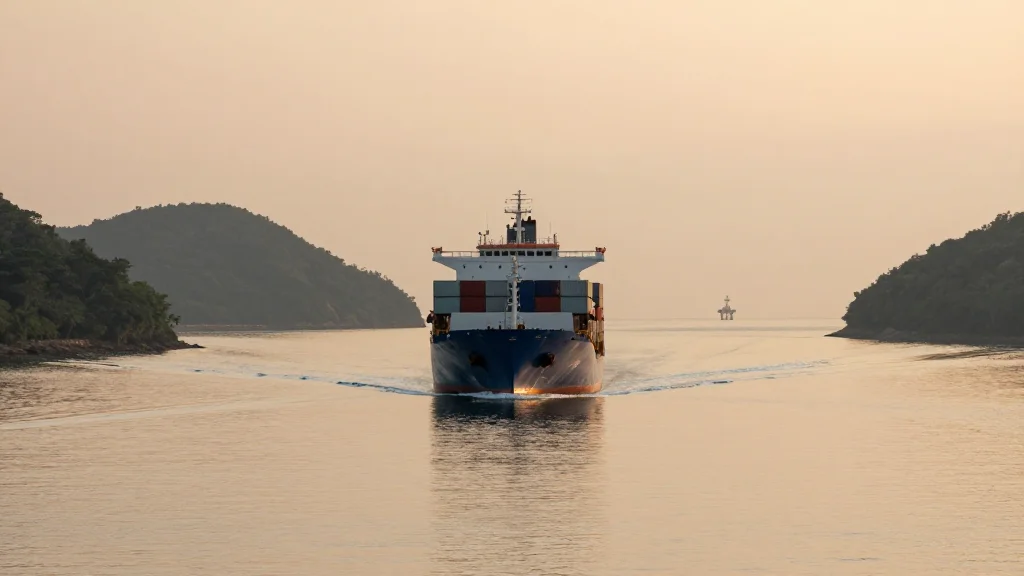
- •Commitment to uphold freedom of navigation in Malacca and Hormuz straits.
- •Cambodia and Thailand seek confidence‑building measures to ease border tensions.
Pulse Analysis
The latest ASEAN summit underscores a shift from ad‑hoc national reactions toward a more systematic, bloc‑wide crisis management architecture. By drafting a crisis communication protocol, the ten-member association aims to streamline information sharing, align policy responses, and reduce duplication during supply‑chain disruptions. This move is especially pertinent as the Middle‑East conflict has choked the Strait of Hormuz, a critical artery for Asian oil imports, prompting members to explore alternative energy suppliers, from Russia to renewable projects, and to reinforce intra‑ASEAN trade corridors.
Energy and food security sit at the heart of the discussion, reflecting the divergent exposure of member economies. Nations such as the Philippines and Vietnam, heavily reliant on Middle‑East oil, are eyeing diversification, while Indonesia, Malaysia and Thailand lean on domestic capacity and price controls. The protocol’s emphasis on coordinated stock‑piling, joint monitoring, and rapid humanitarian deployment could cushion future shocks, though analysts caution that national politics will still dominate immediate actions. Nonetheless, a shared commitment to safeguard sea lanes—particularly the Malacca Strait—reinforces ASEAN’s role as a steward of global maritime trade, aligning with the 1982 UNCLOS principles.
Beyond the energy narrative, the summit’s diplomatic undertones signal ASEAN’s broader ambition to act as a cohesive voice in international crises. The joint statement on the Middle‑East war and the parallel confidence‑building talks between Cambodia and Thailand illustrate a dual focus on external stability and internal cohesion. As regional powers navigate a volatile geopolitical landscape, ASEAN’s incremental steps toward institutionalized coordination may enhance its credibility, attract investment, and provide a template for other multilateral groups confronting complex, cross‑border challenges.
Amid Middle East conflict, ASEAN countries eye more coordinated response to future crises
Comments
Want to join the conversation?
Loading comments...