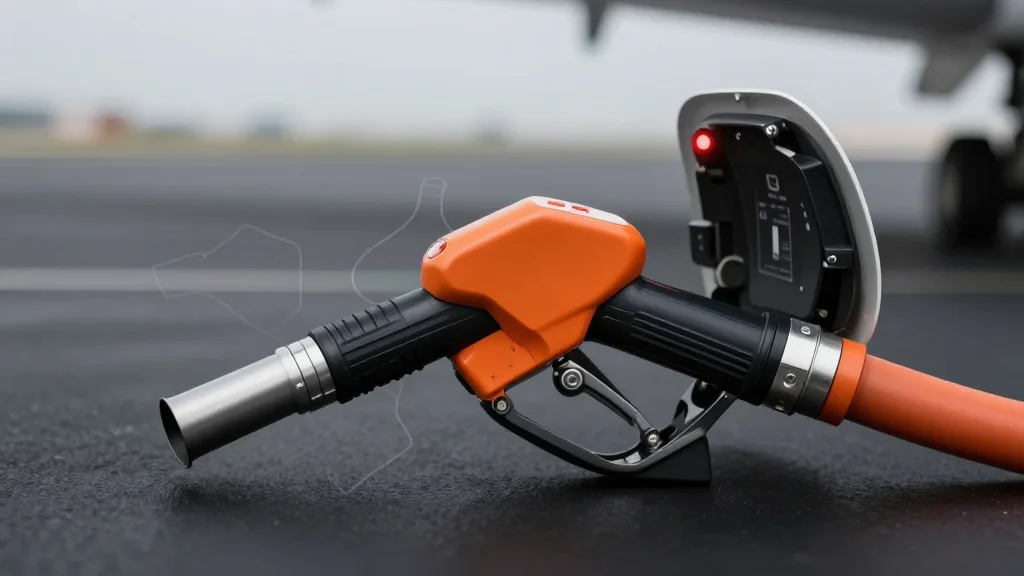
Analysts Warn Jet Fuel Crisis as Middle East Conflict Squeezes Supply

Companies Mentioned
Why It Matters
Jet fuel is the linchpin of the global aviation system, and a sustained shortage would cripple passenger travel, cargo shipments and the ancillary services that depend on them. With the 2026 World Cup slated to draw millions of visitors to Los Angeles, any disruption could erode tourism revenues and strain local economies already grappling with high fuel costs. Beyond aviation, the jet‑fuel crunch signals deeper vulnerabilities in the world’s energy‑supply chain. As crude‑oil flows become politicized, downstream products like diesel and gasoline may follow, raising freight costs and feeding inflationary pressures across supply‑chain‑intensive industries from retail to manufacturing.
Key Takeaways
- •Jet‑fuel prices have more than doubled, reaching $15 per gallon at LAX.
- •European jet‑fuel reserves fell to roughly five weeks, down from six weeks a week earlier.
- •South Korea exports 251,000 barrels per day, covering about 30% of global jet‑fuel demand.
- •Lufthansa and KLM announced service cuts; Air Canada suspended all JFK flights from Toronto and Montreal.
- •EU is considering joint procurement of jet fuel to mitigate supply risk.
Pulse Analysis
The jet‑fuel squeeze underscores how geopolitical flashpoints can quickly translate into supply‑chain disruptions for high‑value, time‑sensitive products. Historically, oil‑price spikes have been absorbed by airlines through hedging and incremental fare hikes, but the current confluence of a chokepoint blockade, limited refinery capacity in key consuming regions, and a post‑pandemic surge in travel leaves little buffer. The fact that Europe’s reserves have already slipped to five weeks—a level traditionally viewed as a red flag—suggests that the market is operating with minimal slack.
From a competitive standpoint, carriers with diversified fuel‑sourcing strategies or stronger balance sheets, such as Emirates or Qatar Airways, may weather the storm better than legacy European airlines heavily dependent on Middle‑East crude. Meanwhile, South Korea’s dominance in jet‑fuel exports gives it newfound geopolitical leverage; any policy shift—whether export curbs or price adjustments—could reshape global routing decisions. The EU’s move toward joint procurement mirrors past collective responses to energy crises, but its effectiveness will hinge on speed, legal coordination and the ability to secure alternative crude pathways, perhaps via the Cape of Good Hope or expanded pipeline projects.
Looking ahead, the crisis could accelerate investment in alternative aviation fuels and electrification of short‑haul routes. Airlines may also intensify fuel‑efficiency programs, such as fleet renewal and optimized flight planning, to reduce exposure. Policymakers, on the other hand, will need to balance short‑term procurement measures with longer‑term resilience building, including strategic reserves and diversification of supply routes. The jet‑fuel episode is a stark reminder that supply‑chain risk management must extend beyond traditional logistics to encompass geopolitical risk assessment and energy security.
Analysts Warn Jet Fuel Crisis as Middle East Conflict Squeezes Supply
Comments
Want to join the conversation?
Loading comments...