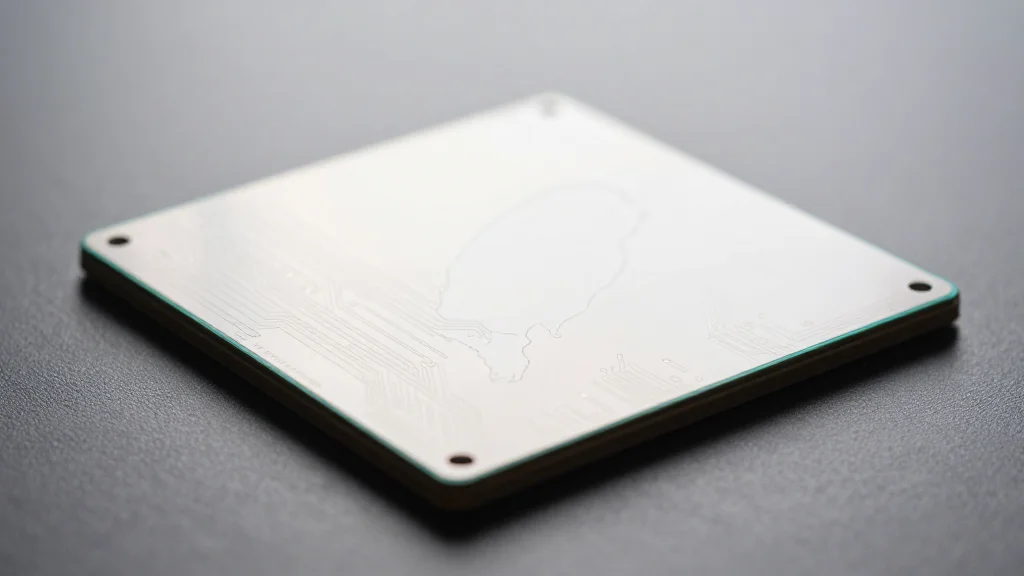
Analysts Warn Taiwan's Chip Dominance Threatens Global Supply Chains if China Takes Control

Companies Mentioned
Why It Matters
The concentration of advanced chip production in Taiwan creates a single point of failure for the worldwide technology ecosystem. Disruption would affect consumer electronics, AI development, automotive safety systems, and defense procurement, potentially costing trillions of dollars and undermining national security. For the United States, the risk amplifies the urgency of policies aimed at diversifying semiconductor supply, such as the CHIPS and Science Act, and of strengthening alliances that can collectively deter coercive actions. Moreover, the geopolitical dimension ties supply‑chain resilience to broader strategic stability in the Indo‑Pacific. If China were to gain control of Taiwan, the First Island Chain would be compromised, altering the balance of power and forcing allies to reconsider their defense postures. The convergence of economic and security risks makes Taiwan’s semiconductor dominance a focal point for policymakers, industry leaders, and investors alike.
Key Takeaways
- •TSMC supplies the most advanced chips used in smartphones, AI and precision‑guided munitions
- •Analysts say a Chinese takeover would give Beijing control over supply chains worth trillions of dollars
- •Taiwan sits on the First Island Chain, a strategic barrier that limits Chinese naval expansion
- •U.S. officials are urged to accelerate domestic semiconductor production and deepen military ties with Taipei
- •Supply‑chain disruption would impact consumer tech, automotive safety, and defense systems globally
Pulse Analysis
The Fox News commentary crystallizes a long‑standing concern that the global tech supply chain is overly dependent on a single geographic hub. While the United States has taken steps to address this through the CHIPS and Science Act, funding and capacity building lag behind the scale of Taiwan’s output. The analysis suggests that without a decisive push to expand domestic fabs and secure alternative sources, the U.S. remains vulnerable to geopolitical shocks.
Historically, supply‑chain concentration has been a lever of power—World War II saw the Allies scramble to secure oil fields and raw materials. Today, the semiconductor is the new oil. Taiwan’s position as the world’s de‑facto chip foundry gives it outsized influence, but also makes it a target. The strategic calculus for Washington now includes not just deterrence of a military invasion but also pre‑emptive economic safeguards.
Looking ahead, the convergence of supply‑chain risk and regional security will likely drive a multi‑track approach: increased investment in U.S. and allied fab capacity, stronger export‑control regimes to limit technology transfer to China, and deeper diplomatic engagement with Taiwan and its partners. Companies may also diversify their design and packaging footprints to mitigate single‑point failures. The stakes are high; a disruption could reverberate through every sector that relies on advanced chips, from smartphones to autonomous vehicles, making the warning from analysts a call to action for both policymakers and industry leaders.
Analysts Warn Taiwan's Chip Dominance Threatens Global Supply Chains if China Takes Control
Comments
Want to join the conversation?
Loading comments...