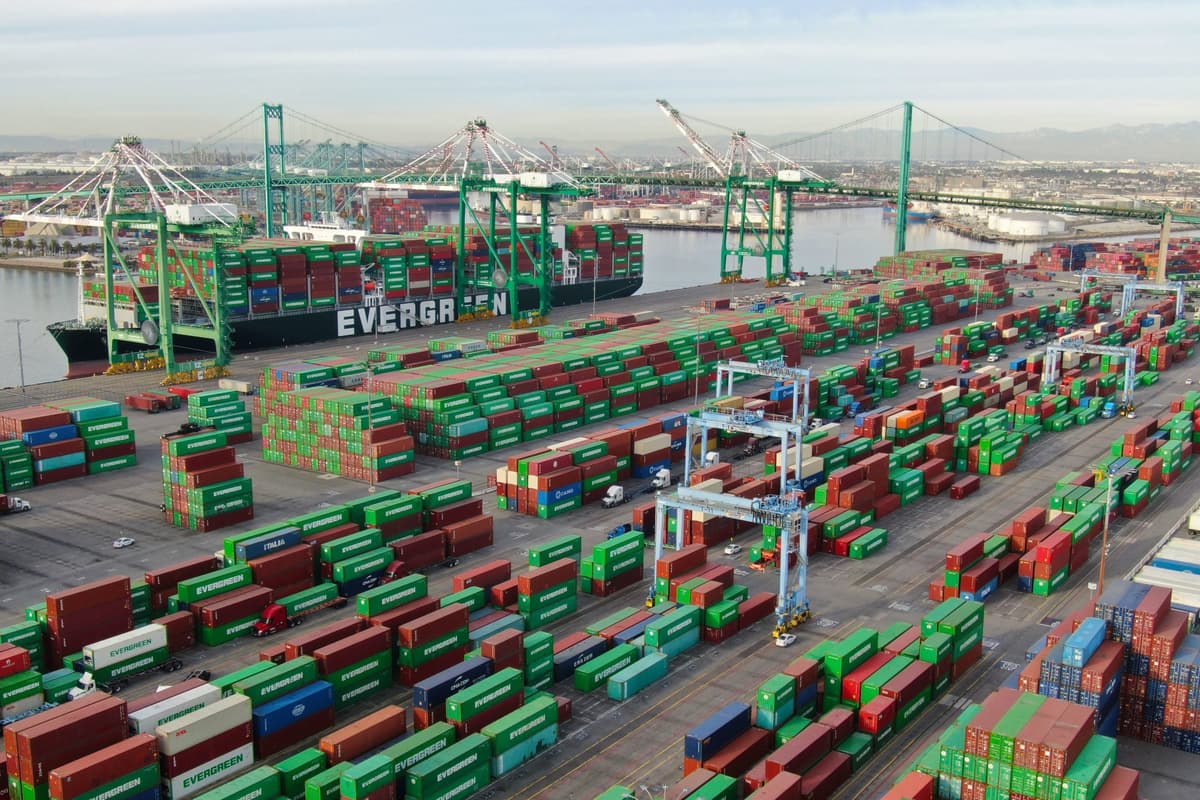
Appeals Court Backs FMC in Landmark Detention Charges Ruling Against Evergreen
Companies Mentioned
Why It Matters
The ruling strengthens regulatory oversight of carrier fees, giving shippers and motor carriers a stronger legal basis to challenge unreasonable charges. It also signals courts will defer to the FMC’s freight‑fluidity doctrine, influencing carrier contract negotiations worldwide.
Key Takeaways
- •FMC ruling affirms detention fees must promote freight fluidity
- •Court backs Shipping Act’s “just and reasonable” standard for carriers
- •Evergreen’s $510 charge deemed unreasonable despite contract terms
- •Decision may trigger broader challenges to demurrage and detention fees
Pulse Analysis
The D.C. Circuit’s endorsement of the Federal Maritime Commission’s freight‑fluidity doctrine marks a pivotal shift in maritime fee regulation. By declaring Evergreen Marine’s $510 detention charge unreasonable, the court clarified that carriers cannot rely solely on contractual language when fees fail to advance cargo movement. This interpretation aligns with the Shipping Act’s long‑standing requirement that carrier practices be "just and reasonable," reinforcing the FMC’s post‑pandemic agenda to curb revenue‑driven billing that does not enhance operational efficiency.
Industry observers see the ruling as a catalyst for heightened scrutiny of demurrage and detention practices. Shippers and motor carriers, long frustrated by opaque fee structures, now have a stronger legal foothold to contest charges imposed under circumstances where equipment cannot be returned, such as port closures or pandemic‑related disruptions. The decision also underscores the FMC’s expanding enforcement toolkit, which includes rulemakings and investigations aimed at standardizing fee assessments across global trade lanes.
For ocean carriers, the judgment serves as a cautionary signal: contractual clauses alone will not shield them from regulatory challenge if fees are deemed punitive rather than functional. As courts continue to defer to the FMC’s expertise, carriers may need to redesign billing models to demonstrate clear links between fees and freight fluidity. This could spur industry‑wide reforms, encouraging more transparent, performance‑based pricing that benefits both logistics providers and end‑users. The broader impact may be a more balanced cost structure in international shipping, fostering smoother supply chains in a post‑pandemic economy.
Appeals Court Backs FMC in Landmark Detention Charges Ruling Against Evergreen
Comments
Want to join the conversation?
Loading comments...