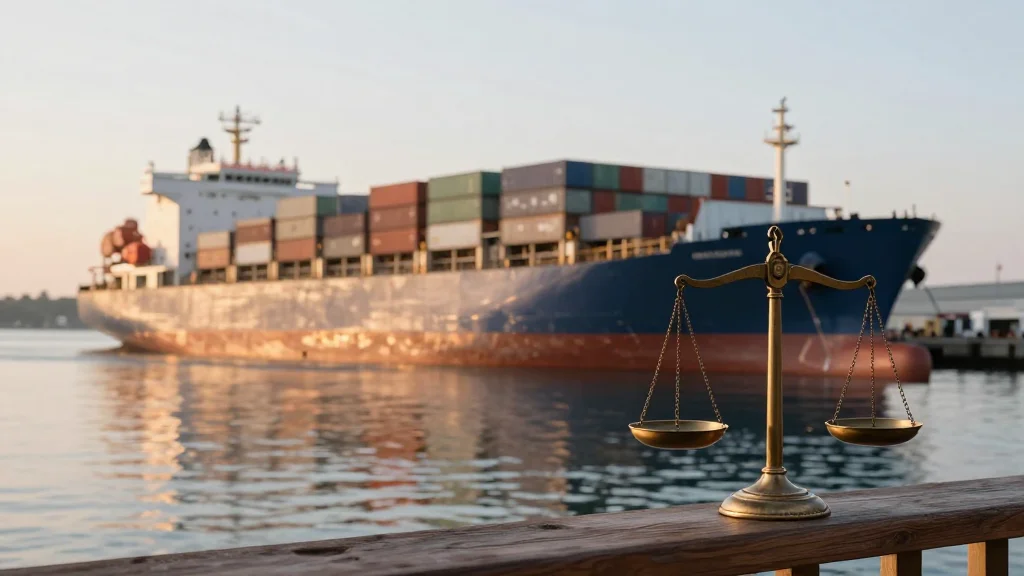
Appeals Court Rules Against Evergreen in Savannah Detention Fee Case
Companies Mentioned
Why It Matters
The ruling sets a clear legal precedent that detention fees cannot be imposed when a port is closed, prompting carriers and drayage firms to reassess contract terms and fee structures. It also reinforces the FMC’s authority to define fee eligibility, influencing industry-wide billing practices.
Key Takeaways
- •Evergreen charged three days detention fees during Savannah holiday closure
- •Court ruled fees invalid because port was closed, no costs incurred
- •Decision clarifies FMC’s stance on prerequisite port operation for fees
- •Drayage providers may renegotiate contracts to avoid unjust detention charges
- •Industry likely sees increased scrutiny of fee structures across U.S. ports
Pulse Analysis
Detention and demurrage fees have long been a contentious element of intermodal logistics, serving as penalties when cargo or equipment remains idle beyond agreed timelines. Traditionally, carriers argue that these fees compensate for lost asset utilization, regardless of port status. However, the legal framework governing such charges has been murky, especially when external factors—like holiday closures—prevent equipment movement. The Evergreen case brings the Federal Maritime Commission’s long‑standing question into sharp focus: must a port be actively operating for detention fees to be enforceable?
The appellate court’s decision underscores that fees imposed during a port shutdown lack contractual justification if the carrier incurs no actual cost. Judge Edwards emphasized that Evergreen suffered no expense from the three‑day delay, rendering the charges unwarranted. This ruling not only absolves the drayage provider of the disputed fees but also signals to shippers that fee assessments must be grounded in demonstrable losses. The FMC, which had been evaluating whether operational status is a prerequisite, now has judicial backing to enforce stricter standards, potentially prompting carriers to revise billing practices and provide clearer cost breakdowns.
For the broader maritime and logistics sector, the verdict may trigger a wave of contract renegotiations and heightened compliance monitoring. Companies are likely to embed explicit clauses addressing port closures, holidays, and force‑majeure events to mitigate future disputes. Moreover, the decision could inspire similar challenges in other U.S. ports, encouraging stakeholders to scrutinize fee structures and demand greater transparency. As the industry adapts, firms that proactively align their terms with the clarified legal expectations will gain a competitive edge, reducing litigation risk and fostering smoother supply‑chain operations.
Appeals court rules against Evergreen in Savannah detention fee case
Comments
Want to join the conversation?
Loading comments...