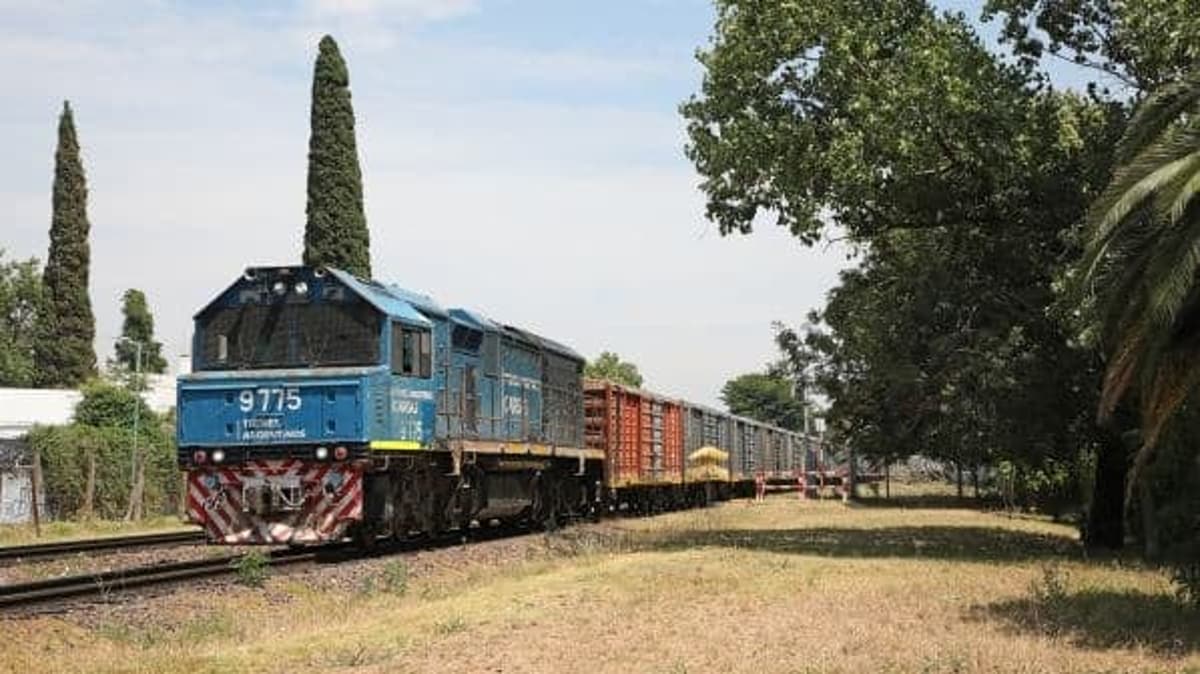
Argentina Rail Freight Privatisation Heats Up
Companies Mentioned
Why It Matters
The partnership revives a major foreign‑investment opportunity in Latin America’s largest rail freight privatisation in a decade, potentially reshaping Argentina’s logistics backbone and attracting further global bidders.
Key Takeaways
- •Grupo México partners with Wabtec to bid on Belgrano Cargo
- •Concession covers 8,000 km rail network moving 7.5M tonnes annually
- •Potential $3 billion investment aims to modernize Argentine freight rail
- •State retains ownership; private operators run services under new model
- •Rio Tinto and agribusiness consortium also eyeing the concession
Pulse Analysis
Argentina’s transport sector is undergoing a rapid transformation under President Javier Milei, who is courting foreign capital to revive a rail freight system that has languished since the 1990s. The Belgrano Cargo and Logistics concession, encompassing the Belgrano, San Martín and Urquiza lines, represents the most ambitious privatisation effort in the region in over ten years. By keeping infrastructure ownership in the state while allowing private operators to manage services, the government hopes to combine public oversight with private efficiency, a model that could set a precedent for other Latin American countries seeking to modernise legacy rail assets.
Grupo México’s re‑entry, now paired with U.S. technology leader Wabtec, signals a strategic shift. The Mexican conglomerate, which already runs Ferromex and Ferrosur, views Argentina as a growth market for both rail operations and mining logistics. The proposed $3 billion, five‑year investment would upgrade tracks, signaling systems, and rolling stock, reducing bottlenecks that currently hinder commodity flows. Wabtec’s expertise in digital rail solutions further lowers operational risk, making the bid more attractive after earlier concerns about concession terms.
The competitive field is heating up, with mining giant Rio Tinto and a consortium of agribusinesses—including Bunge, Cargill, and Louis Dreyfus—also signaling interest. If awarded, the concession could dramatically improve export capacity for Argentina’s grain and mineral shipments, strengthening its position in global commodity markets. Moreover, a successful privatisation could unlock additional private capital for other infrastructure projects, accelerating economic reform across the continent.
Argentina rail freight privatisation heats up
Comments
Want to join the conversation?
Loading comments...