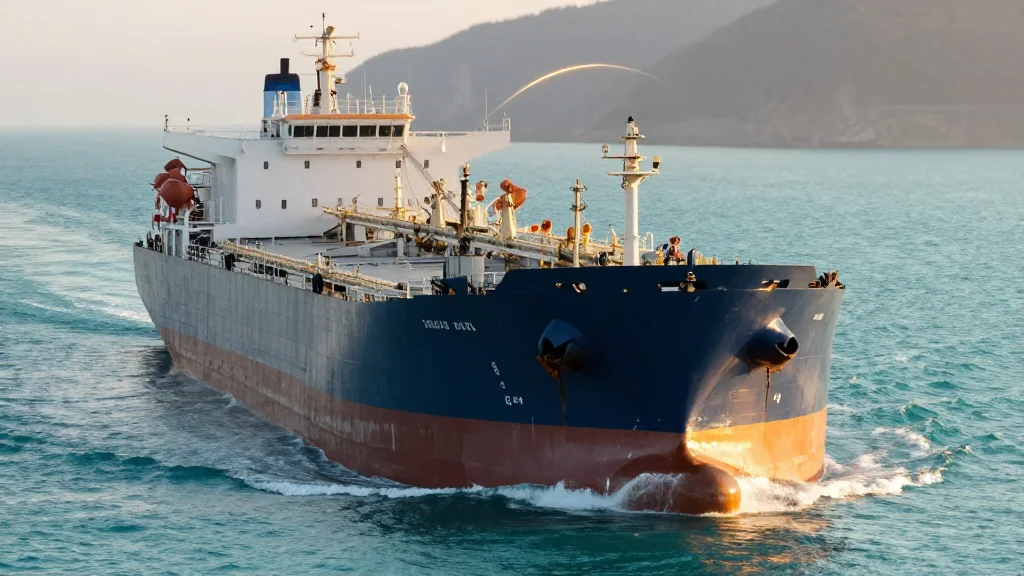
Asian Shipowners to Cross Hormuz Before Western Firms, Executives Say
Why It Matters
The reopening of Hormuz by Asian carriers could alleviate the current energy supply bottleneck, but heightened costs and safety concerns may limit the volume of traffic, reshaping global shipping routes and freight pricing.
Key Takeaways
- •Asian state-owned fleets may resume Hormuz transits before Western vessels
- •Government-to-government ties let Indian, Chinese ships bypass OFAC restrictions
- •Iran's new tolls and war‑risk premiums raise costs for willing crews
- •Western tankers remain stuck, shifting freight to Atlantic routes
- •Safety concerns could limit volume despite reopening prospects
Pulse Analysis
The Strait of Hormuz, a chokepoint through which roughly 20% of global oil passes, has been effectively sealed since February, creating the largest energy‑supply disruption in recent memory. While a handful of tankers slipped out, Iranian forces quickly re‑asserted control, firing on vessels and ordering a return to the Gulf. This stalemate has forced shippers to reroute cargoes around the Cape of Good Hope, inflating freight rates and straining supply chains. Asian shipowners, many of which are state‑owned or enjoy direct diplomatic channels with Tehran, see an opening to move ahead of Western firms that must comply with U.S. sanctions.
U.S. Treasury’s OFAC restrictions have kept most Western‑flagged vessels out of the strait, but Asian operators can sidestep these rules through government‑to‑government agreements, as highlighted by Mercuria’s Larry Johnson. Iran’s recent decision to levy tolls—collected alongside the Islamic Revolutionary Guard Corps—adds a new financial layer, while insurers are hiking the Advanced War Risk Premium for crews willing to brave the threat of gunfire. These cost increases could deter smaller operators, concentrating traffic among larger, risk‑tolerant fleets that can absorb higher fees.
The broader market impact is already visible. Clarkson’s Roger Horton notes that many ships left the Gulf to capture higher freight rates in the Atlantic, a trend that may persist if safety concerns linger. Should Asian convoys successfully navigate Hormuz, we could see a gradual rebalancing of trade flows, easing pressure on Atlantic routes and potentially stabilizing oil prices. However, the pace of any normalization will hinge on diplomatic signals, the durability of Iran’s toll regime, and the willingness of crews to accept heightened risk, making the next few weeks critical for global shipping dynamics.
Asian shipowners to cross Hormuz before Western firms, executives say
Comments
Want to join the conversation?
Loading comments...