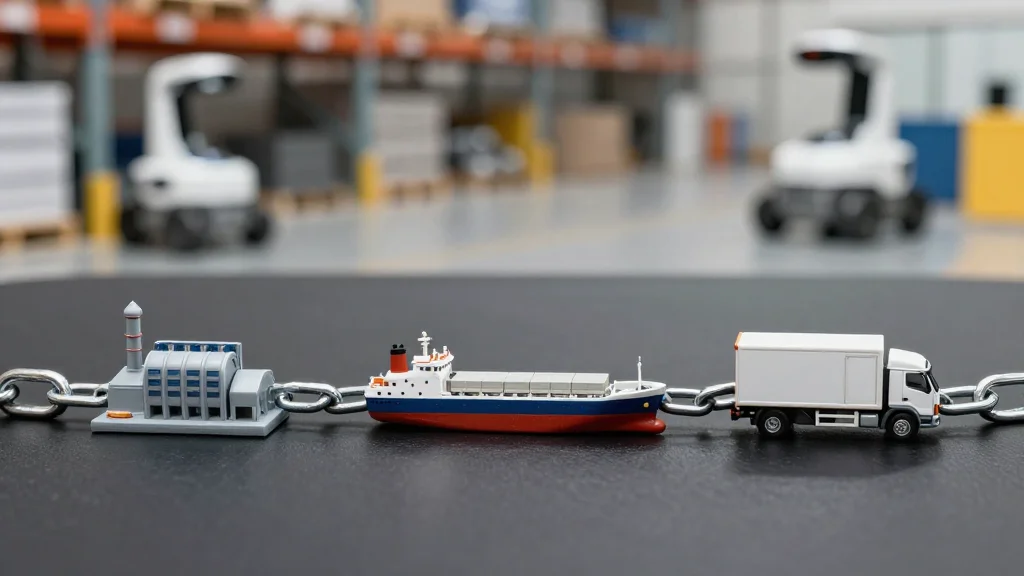
Automation Doesn’t Make Supply Chains Fragile — Poor Integration Does
Why It Matters
As companies accelerate digital investments, failing to align decision authority erodes the very resilience automation promises, jeopardizing cost, service and risk goals across the supply chain.
Key Takeaways
- •Automation reveals existing decision silos, not creates them
- •Integrated decision flows turn data into actionable resilience
- •Fragmented incentives cause slower response despite faster alerts
- •Control towers add tools but not authority to act
- •Resilient chains align incentives across planning, procurement, operations
Pulse Analysis
Automation has become a buzzword in supply‑chain strategy, with billions spent on AI‑driven planning, robotic warehouses and real‑time dashboards. Executives tout faster data and predictive insights as the antidote to disruptions ranging from geopolitical shocks to pandemic‑induced shortages. Yet many firms report that, despite richer information streams, response times have not improved and, in some cases, have slowed. This paradox stems from a false narrative that technology alone can fix systemic weaknesses; instead, automation often shines a spotlight on decision silos that were previously hidden by manual workarounds.
The core issue is integration, not automation. When planning, procurement, operations and logistics each chase its own KPI—forecast accuracy, unit cost, throughput, service level—automation merely accelerates competing priorities. Alerts flood control towers, but planners lack the authority to act, procurement teams are bound by short‑term savings targets, and operations absorb variability locally. Such fragmented incentives create a brittle network where faster signals do not translate into coordinated action. Companies that layer new tools on top of legacy systems without redefining decision pathways end up with more dashboards, not more resilience.
To unlock true supply‑chain strength, firms must redesign the flow of information, authority and accountability. Integrated decision frameworks align incentives, establish clear escalation paths, and ensure that when an automated exception is flagged, the responsible party can intervene instantly. This approach turns data into decisive action, making resilience a property of the system rather than a series of heroic fixes. As domestic manufacturing and industrial modernization gain policy support, the firms that couple automation with robust integration will capture the competitive edge in a volatile global market.
Automation doesn’t make supply chains fragile — poor integration does
Comments
Want to join the conversation?
Loading comments...