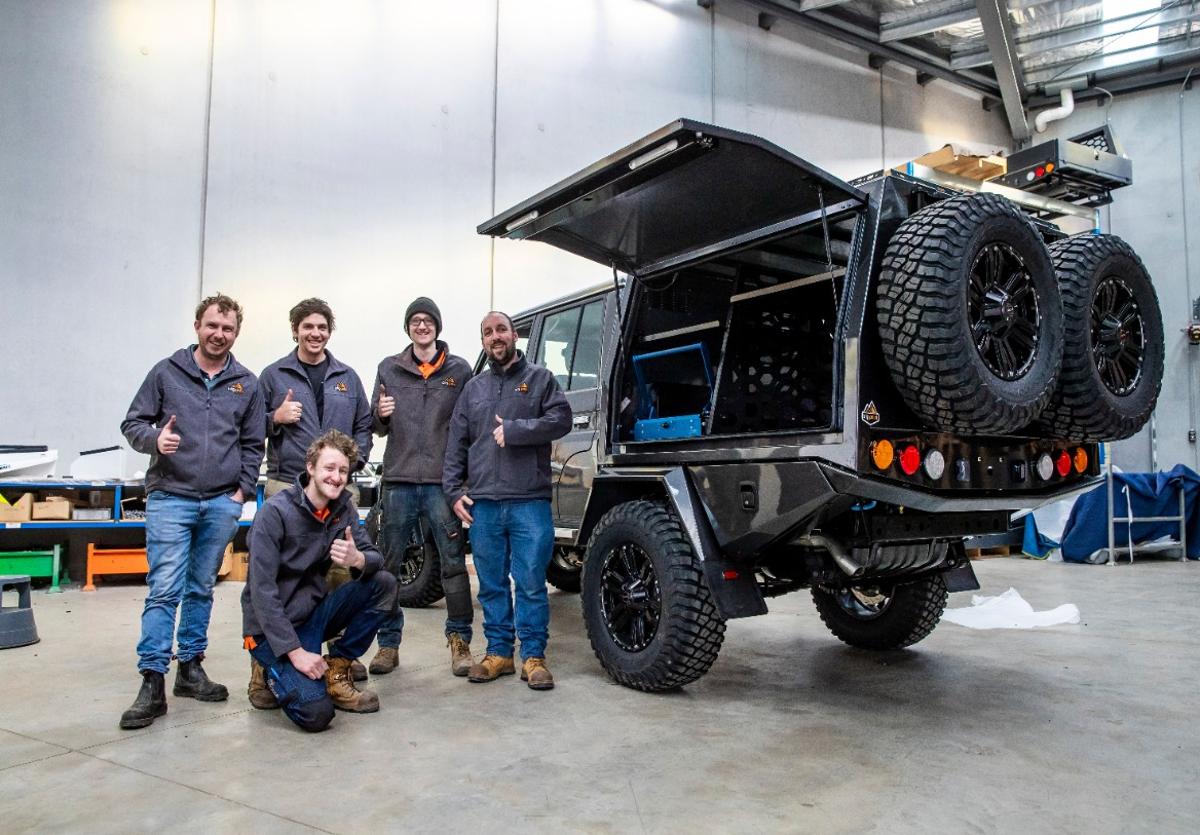
Automotive Canopy and Tray Manufacturer Manages 6,000 SKUs with Self-Implemented ERP
Companies Mentioned
Why It Matters
A rapid, low‑cost ERP adoption lets small manufacturers move beyond manual processes, improving inventory accuracy and order fulfillment. This boosts competitiveness in the crowded automotive accessories market and sets a template for other SMEs.
Key Takeaways
- •Trig Point implemented MRPeasy ERP in three months.
- •System now manages over 6,000 SKUs across two factories.
- •Cloud ERP integrates with Xero, improving inventory visibility and quoting.
- •Self-implementation saved costs and enabled rapid scalability.
Pulse Analysis
Small manufacturers often rely on spreadsheets and generic e‑commerce tools, which become bottlenecks as product lines expand. Trig Point’s shift to a dedicated manufacturing ERP illustrates how a focused solution can replace ad‑hoc processes, delivering real‑time inventory data and eliminating the guesswork that leads to stockouts. By choosing a cloud platform that syncs with Xero, the company unified financial and operational data, a move that many Australian SMEs consider essential for modernizing their supply chains.
MRPeasy’s core strengths—cloud accessibility, robust bill‑of‑materials management, and matrix BOM capabilities—addressed Trig Point’s need for granular customization. The matrix BOM allows engineers to select base products and add options via drop‑down menus, streamlining quoting and reducing manual errors. Integrated variation tracking now distinguishes color or size differences, preventing the classic “10 items on the shelf, all the wrong shade” scenario. These features not only improve order accuracy but also free staff to focus on product development rather than data entry.
The broader implication for the Australian manufacturing sector is clear: a self‑implemented, cloud‑native ERP can be deployed quickly and affordably, even for teams of twenty. By aligning processes to the software rather than forcing the software to fit legacy habits, companies gain agility and can scale production without proportionally increasing overhead. As more SMEs adopt similar platforms, the industry can expect tighter inventory control, faster time‑to‑market for customized products, and a stronger competitive stance in both domestic and export markets.
Automotive canopy and tray manufacturer manages 6,000 SKUs with self-implemented ERP
Comments
Want to join the conversation?
Loading comments...