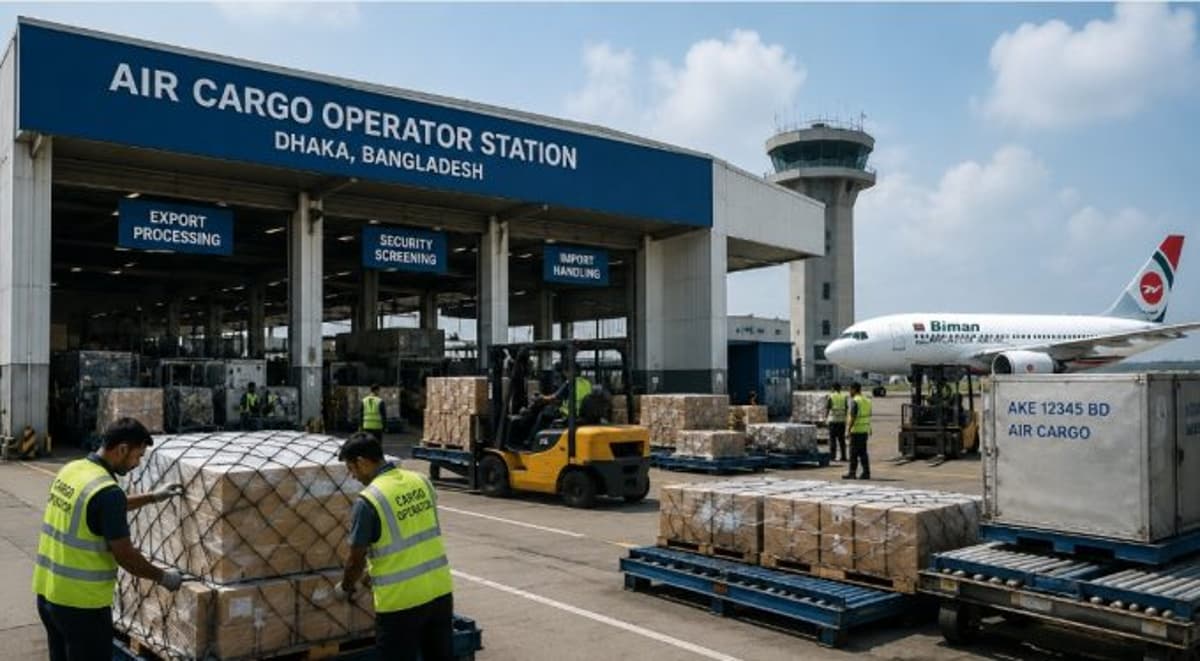
Bangladesh Opens Door to Private Air Cargo Operators in Logistics Push
Why It Matters
By introducing private cargo stations, Bangladesh can cut air‑freight bottlenecks, lower handling costs and attract foreign logistics investment, bolstering its growing export and e‑commerce sectors.
Key Takeaways
- •Off‑airport cargo stations to reduce queue times
- •Competition could lower handling fees for exporters
- •New rules open market to global logistics firms
- •Reform aligns with removal of foreign ownership cap on ICDs
Pulse Analysis
Bangladesh’s logistics landscape has long been hampered by congested airport cargo terminals, where exporters face lengthy queues, manual paperwork and limited warehousing. As the country’s garment and e‑commerce exports surge, these inefficiencies translate into higher costs and delayed shipments, eroding competitiveness in regional supply chains. The government’s decision to permit private air‑cargo operator stations directly addresses these pain points by moving clearance and handling activities off the runway, freeing up valuable airport space and streamlining the export‑import flow.
The proposed Air Cargo Operator Stations will enable globally recognised logistics providers and qualified domestic firms to set up dedicated facilities adjacent to Dhaka, Chattogram and Sylhet airports. This competitive entry is expected to break the monopoly held by Biman Bangladesh Airlines, driving down handling charges and encouraging the adoption of best‑practice technologies such as automated screening and electronic documentation. Faster pre‑clearance and reduced dwell times can also lower airlines’ operating expenses, as carriers will rely less on in‑house cargo staff and infrastructure. Stakeholders anticipate that these efficiencies will translate into measurable cost savings for exporters and importers alike.
The cargo‑station reform is part of a broader liberalisation agenda that includes lifting the 49% cap on foreign ownership of inland container depots. Together, these measures aim to attract foreign capital, modernise trade infrastructure and position Bangladesh as a regional logistics hub. With a burgeoning e‑commerce market and expanding export volumes, the country stands to benefit from improved supply‑chain resilience, enhanced service quality and stronger integration into global trade networks.
Bangladesh opens door to private air cargo operators in logistics push
Comments
Want to join the conversation?
Loading comments...