Beyond the Runway
Companies Mentioned
Why It Matters
The production rollout signals that cargo eVTOLs are moving from prototype to commercial logistics, offering a reliable, runway‑free solution for the most challenging supply‑chain links. If proven dependable, it could create a new logistics layer that reduces cost and risk for remote and humanitarian deliveries.
Key Takeaways
- •AIR's eVTOL cargo aircraft enters production with 550‑lb payload.
- •Service slated for early 2026, targeting remote and disaster zones.
- •Production shift enables maintenance, training, and fleet learning for operators.
- •2,900 pre‑orders for AIR ONE give financial runway for cargo platform.
- •Cargo eVTOLs aim to bridge gap between drones and helicopters.
Pulse Analysis
The cargo eVTOL market has long been eclipsed by passenger‑focused urban air mobility, yet the logistical pain points at the extreme ends of supply chains remain largely unaddressed. Remote mines, offshore rigs, and disaster‑struck communities often lack reliable road access and runway infrastructure, forcing operators to rely on costly multi‑day trucking, seasonal road windows, or crewed helicopter sorties. Vertical lift offers a direct, repeatable link that can bypass terrain and weather constraints, turning minutes‑scale delivery into a realistic proposition for high‑value or time‑critical goods.
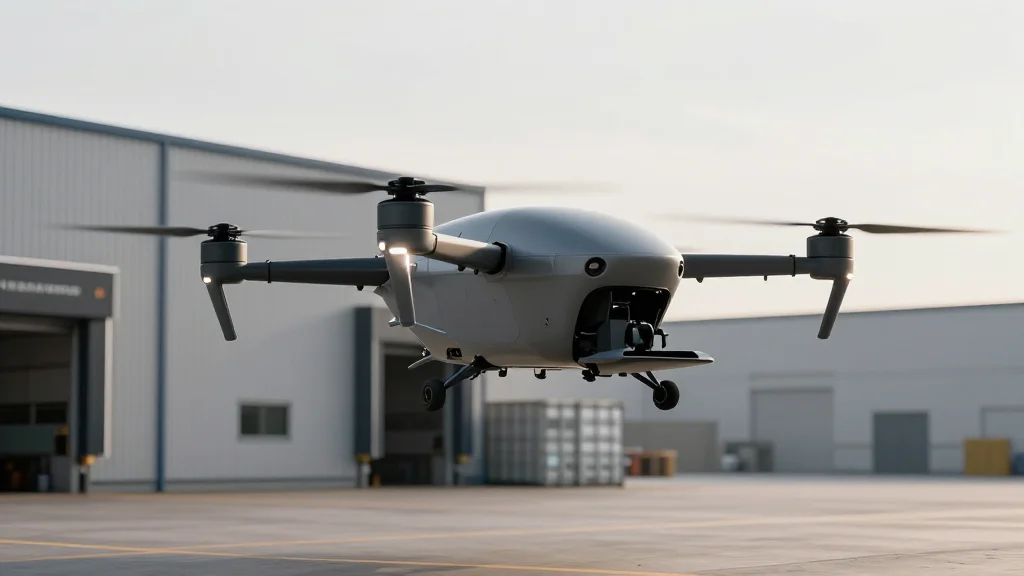
AIR’s production aircraft builds on that promise with a suite of practical upgrades. The airframe, co‑designed with EDAG, incorporates foldable wings and motor arms that shrink the footprint for storage and transport, while next‑generation electric motors and optimized battery integration boost turnaround speed. By delivering a certified production unit rather than a one‑off prototype, AIR can now address maintenance cycles, pilot‑less dispatch protocols, and fleet‑level data collection—critical factors that determine unit economics and airline adoption. Early service slated for 2026 will provide the first real‑world data on dispatch reliability, payload consistency under adverse conditions, and charging or battery‑swap efficiency.
If the platform meets its reliability targets, it could catalyze a new logistics tier that sits between drones and traditional helicopters. Potential civilian uses span offshore energy supply chains, rural healthcare delivery, island connectivity, and rapid humanitarian response, where predictable cadence outweighs sheer speed. However, widespread adoption hinges on regulatory clearance for beyond‑visual‑line‑of‑sight operations, standardized cargo handling interfaces, and proven battery endurance in extreme environments. Success would not only validate the business case for cargo eVTOLs but also encourage investment across the broader electric aviation ecosystem, accelerating the shift toward greener, more resilient supply networks.
Beyond the Runway
Comments
Want to join the conversation?
Loading comments...