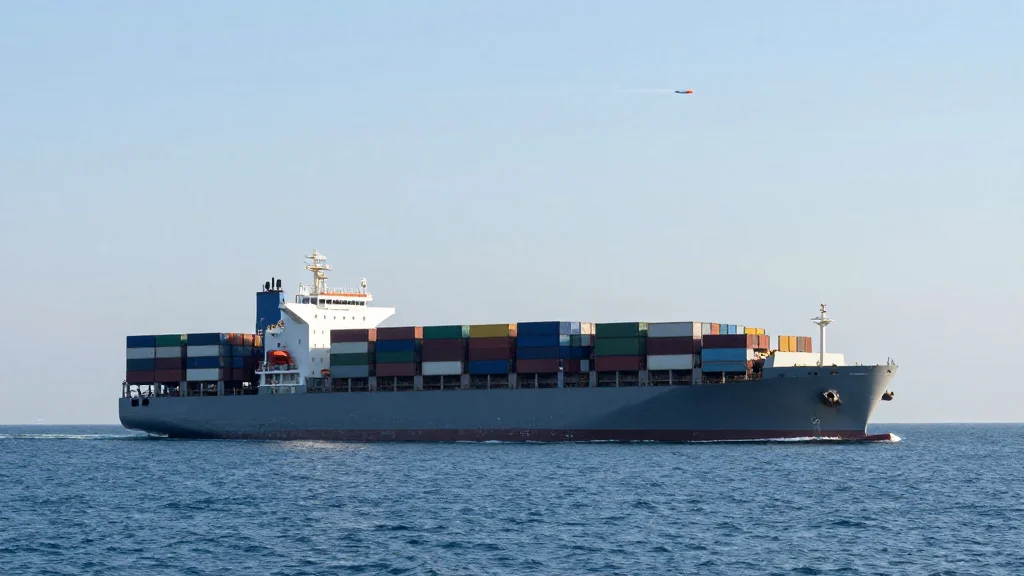
Box Ship Hit by Missile After First CMA CGM Vessel Escapes Hormuz
Why It Matters
The incident underscores heightened geopolitical risk to container routes, forcing carriers to absorb new tolls and surcharges that could ripple through freight rates and supply‑chain reliability.
Key Takeaways
- •Missile struck container ship 25nm from Kish Island.
- •CMA CGM Kribi successfully transited Hormuz, first western boxship.
- •Iran reportedly charging $1‑2 million per vessel toll.
- •US President Trump suggested US tolls for Hormuz passage.
- •Maersk added $300/TEU emergency surcharge amid regional tensions.
Pulse Analysis
The recent missile strike on a box ship near Kish Island has amplified concerns about maritime security in the Persian Gulf. While the crew remained unharmed and no oil spill was reported, the incident illustrates how even non‑strategic cargo vessels are vulnerable in a theater where naval mines and projectile attacks have become routine. Shipping lines now face heightened insurance premiums and route‑planning challenges, prompting many to consider alternative corridors or delay shipments until risk assessments improve.
CMA CGM’s unexpected passage through the Strait of Hormuz marks a potential diplomatic breakthrough. Sources suggest the French‑registered carrier may have negotiated a limited‑duration agreement with Tehran, possibly involving a per‑vessel fee ranging from one to two million dollars. If confirmed, such a toll could set a precedent, forcing other operators to weigh the cost of paying Iran versus rerouting around the Arabian Sea, which adds days and fuel expenses. The episode also raises questions about the role of national governments in mediating commercial access during armed conflicts.
The broader market reaction has already manifested in price adjustments. Maersk’s decision to lift its emergency contingency surcharge by $300 per TEU reflects carriers’ attempts to offset the financial shock of unpredictable tolls and heightened insurance costs. Analysts warn that sustained disruptions could compress container margins and trigger a cascade of freight‑rate volatility across Asia‑Europe lanes. Stakeholders—from shippers to port authorities—must monitor diplomatic talks closely, as any shift in toll policy or security posture will directly influence shipping schedules, cost structures, and ultimately, global trade flows.
Box ship hit by missile after first CMA CGM vessel escapes Hormuz
Comments
Want to join the conversation?
Loading comments...