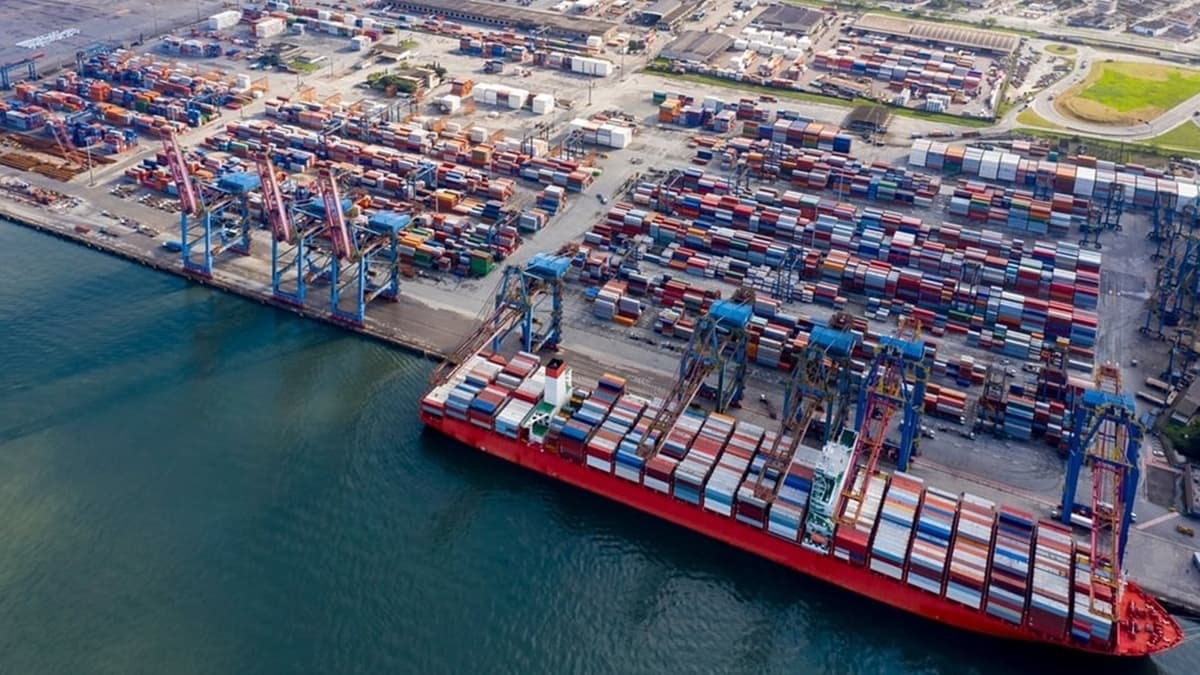
Brazilian Ministry Asks to Suspend Santos Mega Terminal Bidding Process
Why It Matters
The suspension highlights regulatory concerns about competition in Brazil’s most critical port, potentially delaying a major capacity boost that could reshape regional trade flows. Investors and logistics firms must reassess timelines and risk exposure.
Key Takeaways
- •Ministry pauses $1.3bn Tecon Santos 10 auction.
- •Review targets technical, legal, competition issues.
- •Two‑phase auction would bar incumbent operators initially.
- •Project adds 3.5m TEU capacity, 50% more handling.
Pulse Analysis
The Port of Santos, Brazil’s busiest gateway for containerized trade, has long been a bottleneck for the country’s export‑import flow. Tecon Santos 10, a $1.3 billion mega‑terminal slated to occupy 621,900 sq m on the Saboó quay, promises to lift the port’s handling capacity by roughly 50 percent, adding a static 3.5 million TEU. Such an expansion would not only ease congestion but also strengthen Brazil’s position in global supply chains, attracting larger vessels and reducing turnaround times. The upgrade aligns with Brazil’s broader logistics modernization agenda.
The Ministry of Ports and Airports’ request to suspend the bidding process reflects mounting concerns over the auction’s structure. Officials cite technical ambiguities, pending legal reviews, and the risk of market concentration as large operators could dominate a single‑phase sale. Antaq’s recommendation, endorsed by the Federal Court of Accounts, favors a two‑phase model that excludes incumbent terminal operators and even shipping lines from the first round. This approach aims to preserve competition, but it also adds procedural complexity and could delay the project’s financial closure. The decision also signals heightened regulatory scrutiny of public‑private partnerships.
For investors and logistics firms, the pause introduces uncertainty but also an opportunity to shape a more transparent procurement framework. A delayed timeline may push the terminal’s operational start beyond the original 25‑year contract horizon, affecting revenue forecasts and financing structures. Nevertheless, once cleared, the added capacity will likely spur ancillary infrastructure upgrades, such as rail links and hinterland road networks, amplifying economic spillovers across São Paulo state. Successful execution could position Santos as a hub for future South American trade corridors. Stakeholders will watch closely how Brazil balances competition safeguards with the urgent need to modernize its port ecosystem.
Brazilian ministry asks to suspend Santos mega terminal bidding process
Comments
Want to join the conversation?
Loading comments...