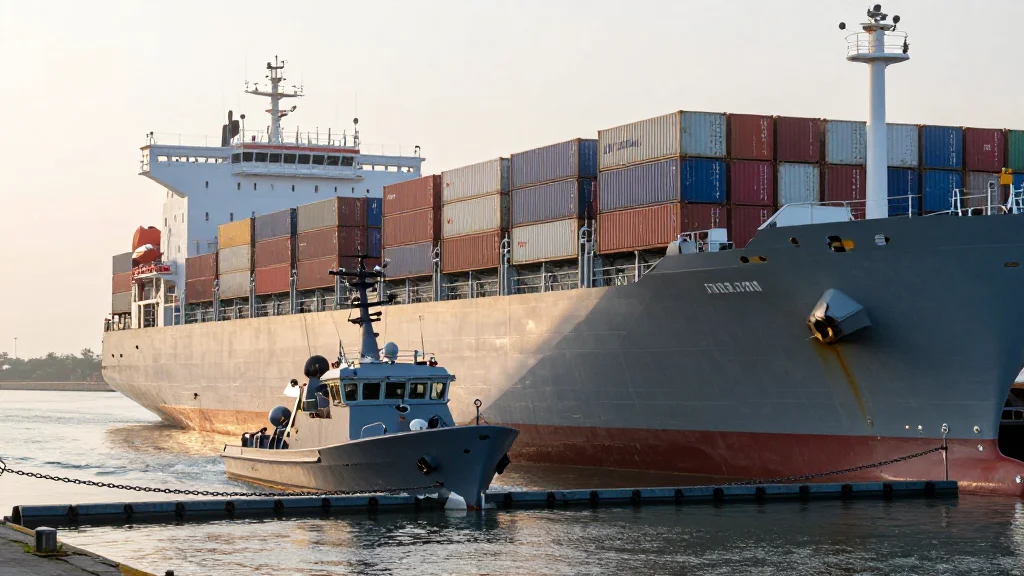
Bulker Reverses Course in Strait of Hormuz After Attack From Small Craft
Why It Matters
The attack highlights escalating security threats in the Strait of Hormuz, potentially disrupting global bulk‑commodity flows and raising insurance costs for shippers. It signals that even vessels signaling a benign destination remain vulnerable to regional naval tactics.
Key Takeaways
- •Bulker reversed after small‑craft attack near Sirik, Strait of Hormuz
- •Attack attributed to Iran‑linked naval units, per UK Maritime Transport report
- •Incident occurred at 1130 UTC, 11 nm east of Sirik
- •Raises concerns over shipping security in a critical oil corridor
- •Potential ripple effects on freight rates and insurance premiums
Pulse Analysis
The Strait of Hormuz, a narrow 21‑mile passage linking the Persian Gulf to the Arabian Sea, handles roughly 20% of global oil shipments and a significant share of bulk commodities such as iron ore and coal. Recent geopolitical frictions have turned the waterway into a flashpoint, and the latest small‑craft assault on a bulk carrier adds a new layer of risk. While larger naval vessels dominate headlines, the use of fast, low‑profile boats enables asymmetric attacks that can surprise even well‑prepared crews, forcing vessels to alter routes or halt transit altogether.
For shipowners and charterers, the incident triggers immediate operational reassessments. Route planners may now favor longer detours around the Arabian Sea, increasing fuel consumption and transit times. Insurers, already monitoring regional tensions, could adjust war‑risk premiums, especially for vessels flagged under nations perceived as neutral. The ripple effect extends to commodity markets, where delayed deliveries can tighten supply chains, nudging spot prices upward for steel, cement, and other bulk‑derived products.
Strategically, the attack underscores the broader contest for control over maritime chokepoints. Iran’s naval strategy often leverages small, agile craft to project power without overt escalation, sending a signal to international shipping that the Strait remains contested. Stakeholders—from multinational energy firms to regional ports—must therefore invest in enhanced situational awareness, real‑time threat intelligence, and robust contingency plans to mitigate disruptions and safeguard the flow of global trade.
Bulker reverses course in Strait of Hormuz after attack from small craft
Comments
Want to join the conversation?
Loading comments...