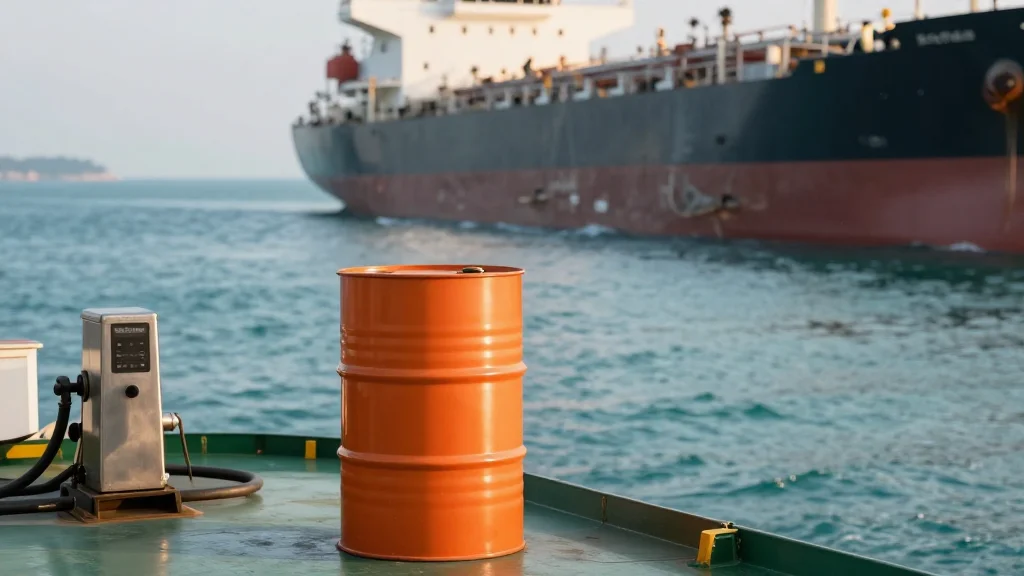
Bunker Lead Times Grow Since US–Iran War Began
Why It Matters
Longer bunker lead times signal a tightening global fuel market, raising operating costs for shipping lines and potentially reshaping trade routes and cargo scheduling decisions.
Key Takeaways
- •Bunker lead times now 4‑6 weeks in high‑risk regions.
- •VLSFO prices rose ~45‑49% across major hubs since February.
- •Fujairah VLSFO premiums hit $500‑700 per tonne in early June.
- •Panama Canal bunker bookings grew to 14 days, up from 10.
- •Brazilian ports' lead times rose to 10‑13 days amid export pull.
Pulse Analysis
The US‑Iran confrontation has turned the Strait of Hormuz from a reliable conduit into a strategic choke point, prompting bunker buyers to hedge against uncertainty by booking fuel far in advance. Argus data show that typical spot orders, once limited to 9‑12 days, are now being placed four to six weeks ahead in regions most exposed to potential disruptions. This pre‑emptive behavior reflects both the 20% reduction in crude traffic through the strait and the broader fear of sudden supply cuts that could cripple vessel operations.
Price dynamics have mirrored the supply squeeze. VLSFO, the industry standard for compliance with IMO 2020, has surged 45% in Rotterdam, 49% in Panama and 47% in Singapore since February, driven by tighter feedstock availability. In Fujairah, the world’s fourth‑largest bunkering hub, premiums have spiked to $500‑700 per tonne over front‑month Singapore cargoes, a record level that underscores the acute shortage of blending stock after the loss of Kuwait’s al‑Zour refinery output. Similar premium pressures are evident in Gibraltar and Rotterdam, where average booking windows have doubled.
For ship operators, the extended lead times translate into higher inventory costs and reduced flexibility in voyage planning. Routes that bypass the Hormuz corridor, such as the longer Cape of Good Hope passage, may become more attractive despite higher fuel consumption, while congested transits like the Panama Canal further compound scheduling challenges. As the conflict persists, market participants will likely continue to lock in fuel well ahead of need, reinforcing a feedback loop of price escalation and tighter supply, and prompting a strategic reassessment of global shipping logistics.
Bunker lead times grow since US–Iran war began
Comments
Want to join the conversation?
Loading comments...