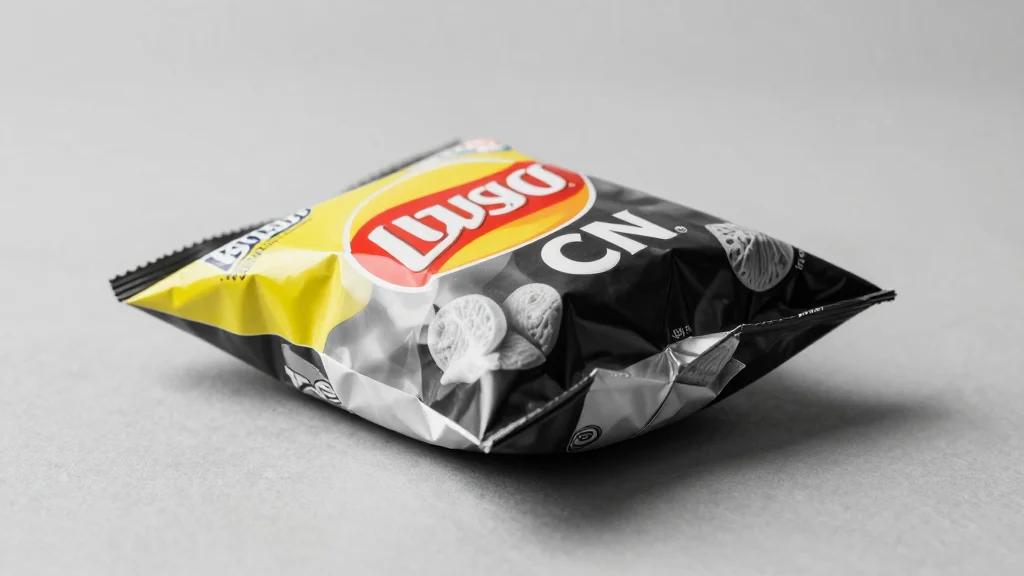
Calbee Adopts Monochrome Snack Packaging as Ink Supply Crunch Hits Japan

Companies Mentioned
Why It Matters
The shift to monochrome packaging illustrates how a single raw‑material bottleneck can force a consumer‑goods giant to alter its brand identity, a move that could erode brand equity if prolonged. It also signals that geopolitical tensions in the Middle East can quickly translate into tangible supply‑chain disruptions for non‑energy sectors, prompting firms to reassess risk‑management frameworks. For the broader Japanese economy, the naphtha shortage threatens to inflate costs across food, automotive and household‑goods industries, potentially feeding into higher consumer prices. Policymakers may need to accelerate diversification of oil‑derived feedstock sources and bolster strategic reserves to shield critical manufacturing from future chokepoints.
Key Takeaways
- •Calbee will roll out black‑and‑white packaging for 14 snack products starting May 25.
- •Ink shortage linked to naphtha supply disruption caused by the Iran‑Israel‑U.S. conflict.
- •Naphtha prices in Asia have nearly doubled since the Strait of Hormuz blockade.
- •Toyota forecasts a ¥670 billion (US$4.25 billion) profit hit from higher material costs.
- •Japanese strategic oil reserves fell from 254 to 205 days of supply as of May 8.
Pulse Analysis
Calbee’s packaging pivot is a textbook case of supply‑chain risk materialising on the consumer front. While the company can absorb short‑term branding costs, the longer‑term implication is a potential shift in how Japanese firms view colour‑intensive packaging as a cost centre rather than a marketing asset. Historically, Japanese snack brands have relied on vivid visual cues to differentiate products in a crowded shelf space; a forced move to monochrome could set a new baseline for cost‑effective design if the ink crunch persists.
The episode also underscores the strategic vulnerability of Japan’s petrochemical import mix. With roughly 40 % of naphtha historically sourced from the Middle East, the Strait of Hormuz blockade exposed a single‑point failure that rippled through ink, plastics and even automotive paint. The government’s rapid import diversification and the tripling of non‑Middle‑East naphtha shipments are positive signs, but the depletion of strategic reserves suggests limited buffer capacity. Companies may accelerate investments in alternative feedstocks, such as bio‑based inks, to hedge against future geopolitical shocks.
From an investor perspective, the incident could pressure margins across consumer‑goods and automotive sectors, prompting a re‑rating of earnings forecasts. Firms that can quickly secure alternative raw‑material contracts or redesign packaging with fewer colour inks may gain a competitive edge. Conversely, those heavily dependent on traditional petrochemical inputs could see profit squeezes and may need to pass costs onto consumers, feeding inflationary pressures in Japan’s already tight consumer market.
Calbee adopts monochrome snack packaging as ink supply crunch hits Japan
Comments
Want to join the conversation?
Loading comments...