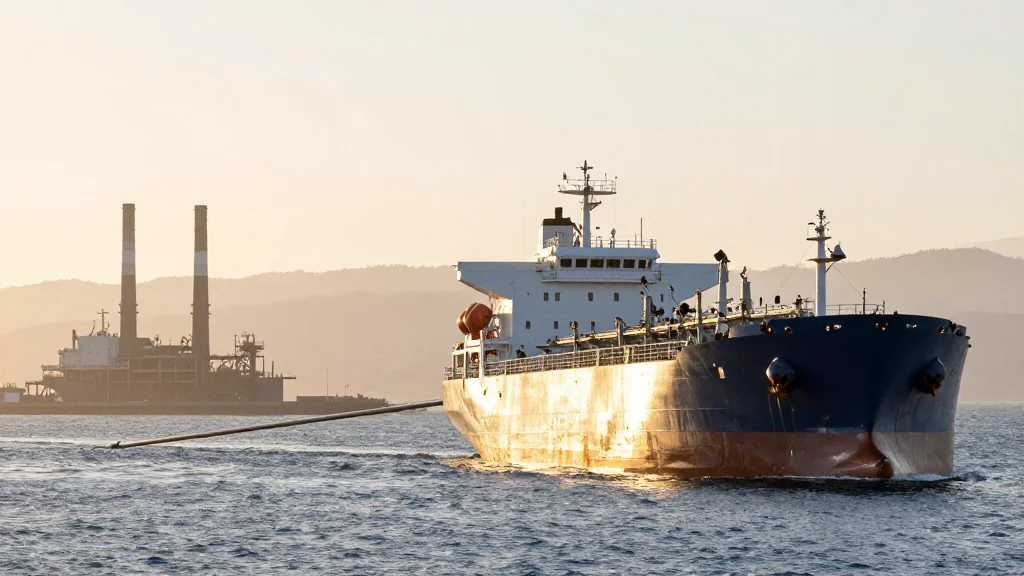
California Fuel Imports Soar After Refinery Closures
Companies Mentioned
Why It Matters
The surge in imports and price spikes expose California’s vulnerability to geopolitical shocks and refinery outages, threatening consumers and the state’s energy security. Long‑term infrastructure like Western Gateway could reshape regional supply dynamics and stabilize markets.
Key Takeaways
- •Imports rose 38% to 345,000 b/d, hitting record levels
- •Refining capacity fell 17% after LA and Benicia closures
- •Gasoline differentials hit five‑month highs, up ~41¢/USG since war
- •Jet fuel prices topped $4.90/USG, stocks at two‑year low
- •Western Gateway pipeline slated for 2029, could cut import reliance
Pulse Analysis
The abrupt loss of two major refineries has forced California to lean heavily on imported gasoline and jet fuel, a shift that accelerated in early 2024. Data from the Energy Information Administration show imports climbing to 345,000 barrels per day, a 38% increase over the previous year. This surge reflects not only the capacity gap but also heightened market anxiety as the Middle‑East conflict tightens global crude supplies. Higher NYMEX RBOB futures have translated into regional differentials that now sit 60 ¢ per gallon above pre‑war levels, squeezing margins for distributors and raising pump prices for consumers.
Jet fuel, a critical input for the state’s busy airports, has felt the pressure even more acutely. Prices peaked at $4.92 per gallon, the highest ever recorded on the West Coast, while inventories slipped to a two‑year low. South Korea, the leading jet fuel supplier to California, sources much of its feedstock from the Middle East, making its shipments vulnerable to the same geopolitical constraints that are driving up gasoline costs. The combination of dwindling in‑state production—RBOB output fell 13% to a five‑year low—and constrained imports creates a perfect storm that could ripple through airline operating costs and ticket prices.
Looking ahead, the Phillips 66‑Kinder Morgan Western Gateway project offers a potential lifeline. Planned as a 200,000‑barrel‑per‑day pipeline linking Texas to Phoenix and reversing flow on existing infrastructure, the initiative promises to diversify supply routes and reduce California’s import reliance. Although the pipeline won’t be operational until 2029, early shipper commitments signal market confidence. In the interim, policymakers and industry players must balance short‑term price volatility with strategic investments to safeguard the state’s energy resilience.
California fuel imports soar after refinery closures
Comments
Want to join the conversation?
Loading comments...