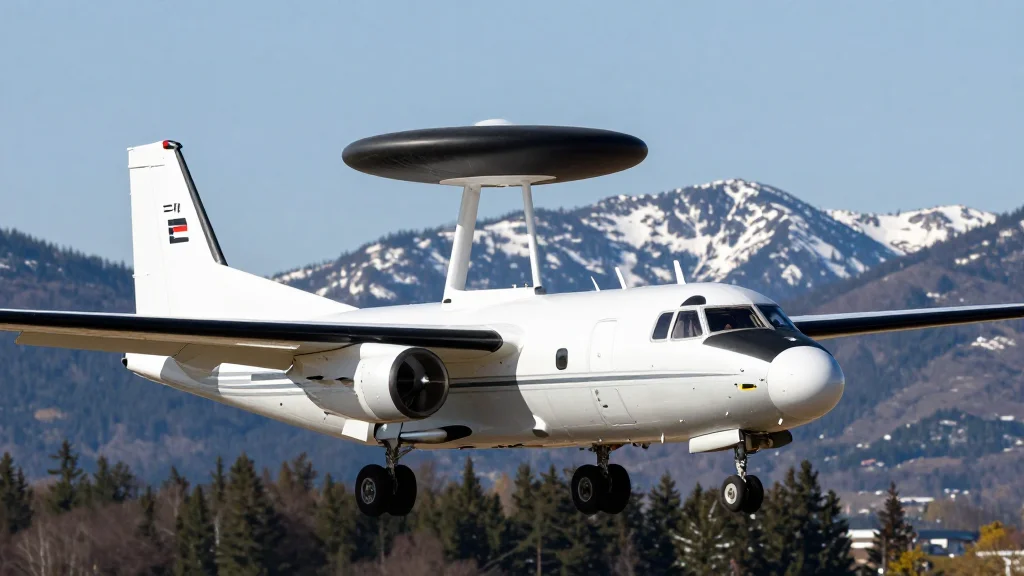
Canada Picks Saab GlobalEye Over Boeing, Shifting Defense Supply Chain

Companies Mentioned
Why It Matters
The GlobalEye purchase reshapes the supply chain for high‑end defense avionics by anchoring production in Canada and Sweden rather than the United States. This diversification reduces Canada’s exposure to U.S. export controls, tariff risks, and potential supply disruptions, while creating domestic jobs and fostering a home‑grown aerospace ecosystem. For the broader industry, the deal signals that allied nations are increasingly willing to source critical capabilities from a wider pool of partners, potentially prompting U.S. firms to rethink pricing, technology sharing, and joint‑venture structures. In the Arctic context, enhanced early‑warning capacity is vital as climate change opens new sea routes and heightens geopolitical competition. By fielding a platform that blends Canadian airframe expertise with Swedish sensor technology, Canada positions itself as a more autonomous monitor of its 1.7 million square‑mile northern domain, reinforcing its sovereignty and contributing to NATO’s collective situational awareness.
Key Takeaways
- •Canada will procure six Saab GlobalEye early‑warning aircraft built on Bombardier’s Global 6500 platform.
- •The deal excludes Boeing’s E‑7 Wedgetail and L3Harris’s Aeris X, marking a shift away from U.S. defense suppliers.
- •Saab promises R&D investment in Canada; the aircraft contains about 20% U.S. content.
- •Prime Minister Mark Carney cited the purchase as a test of Canada’s policy to diversify defense spending.
- •Swedish PM Ulf Kristersson said the program is already creating jobs in the Canadian supply chain.
Pulse Analysis
Canada’s selection of the GlobalEye reflects a broader trend among NATO allies to hedge against over‑reliance on a single supplier nation. By leveraging a platform that marries Canadian manufacturing with Swedish sensor expertise, Ottawa not only secures a technologically advanced radar system but also embeds critical production steps within its borders. This approach mitigates geopolitical risk—especially in an era of heightened U.S.–Canada trade tensions—and builds a more resilient defense industrial base.
The move also forces U.S. defense giants to confront a changing market dynamic. Boeing’s recent program delays and cost overruns have eroded its competitive edge, while L3Harris’s Aeris X lacks the proven operational record that Saab offers. As Canada reviews its F‑35 procurement, the pressure on Lockheed‑Martin to offer greater Canadian industrial participation will intensify. In the long run, we may see a more fragmented but collaborative supply chain, where components and subsystems are sourced from multiple allied nations, reducing single‑point failures.
Finally, the Arctic dimension cannot be ignored. Enhanced early‑warning capability is essential for monitoring increased commercial traffic and potential military activity as ice recedes. By investing in a platform that can operate in extreme northern conditions, Canada strengthens its sovereign claim and contributes valuable data to NATO’s northern surveillance network. The GlobalEye deal, therefore, is not just a procurement headline—it is a strategic lever that could reshape defense logistics, industrial policy, and alliance dynamics for years to come.
Canada Picks Saab GlobalEye Over Boeing, Shifting Defense Supply Chain
Comments
Want to join the conversation?
Loading comments...