Canada Says Its Gold Is Traceable and Clean. So We Traced It.
Companies Mentioned
Why It Matters
If a government‑backed mint cannot guarantee conflict‑free gold, buyers face heightened ESG risk and reputational exposure, prompting tighter scrutiny of precious‑metal supply chains.
Key Takeaways
- •Royal Canadian Mint uses blockchain‑style Bullion Genesis to track gold origins
- •NYT traced cartel‑controlled Colombian mine gold into the Mint’s supply chain
- •Canadian claim of “North American” gold includes illicit sources from Colombia
- •Supply‑chain gaps raise ESG and compliance concerns for precious‑metal buyers
Pulse Analysis
The global gold market has long wrestled with the shadow of illicit mining, where armed groups and drug cartels launder ore into mainstream channels. In response, the Royal Canadian Mint introduced Bullion Genesis, a digital ledger that records each transaction from mine to refinery, positioning the institution as a pioneer in supply‑chain transparency. By leveraging cryptographic timestamps and immutable records, the Mint aims to assure investors that its bullion meets stringent environmental, social, and governance (ESG) standards, a claim that resonates with institutional buyers increasingly demanding provenance data.
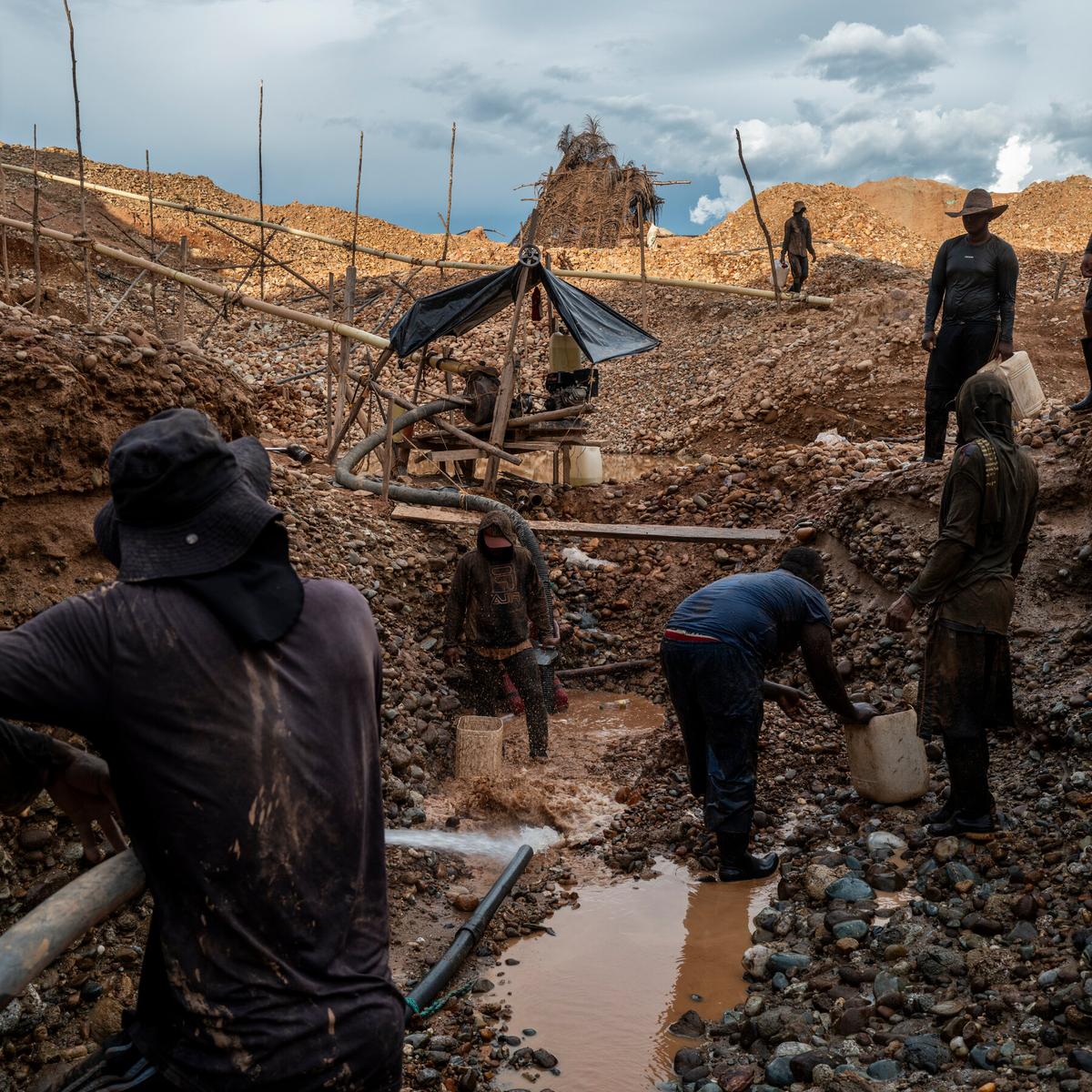
A recent New York Times probe, however, peeled back the veneer of certainty. Reporters traced gold from an open‑pit mine near Caucasia, Colombia—operated by the Clan del Golfo drug cartel—through intermediaries and ultimately into the Mint’s refining process. The investigation highlighted that the Mint’s definition of “North American” gold encompasses imports from regions rife with violence and narcotics trafficking. This revelation mirrors a parallel finding at the United States Mint, which has also sourced gold from the same cartel‑linked mine, underscoring systemic gaps in the industry’s due‑diligence frameworks.
For investors and downstream manufacturers, the fallout is twofold. First, the exposure of conflict‑linked gold in a sovereign‑backed supply chain amplifies compliance pressures from regulators and ESG rating agencies, potentially affecting capital allocation and insurance costs. Second, it accelerates the push for more robust, third‑party verification mechanisms—such as independent blockchain auditors or satellite‑based mine monitoring—to supplement internal tracking tools. As the market gravitates toward verifiable provenance, institutions that can demonstrably separate clean gold from illicit sources will gain a competitive edge, while those lagging risk losing stakeholder trust and market share.
Canada Says Its Gold Is Traceable and Clean. So We Traced It.
Comments
Want to join the conversation?
Loading comments...