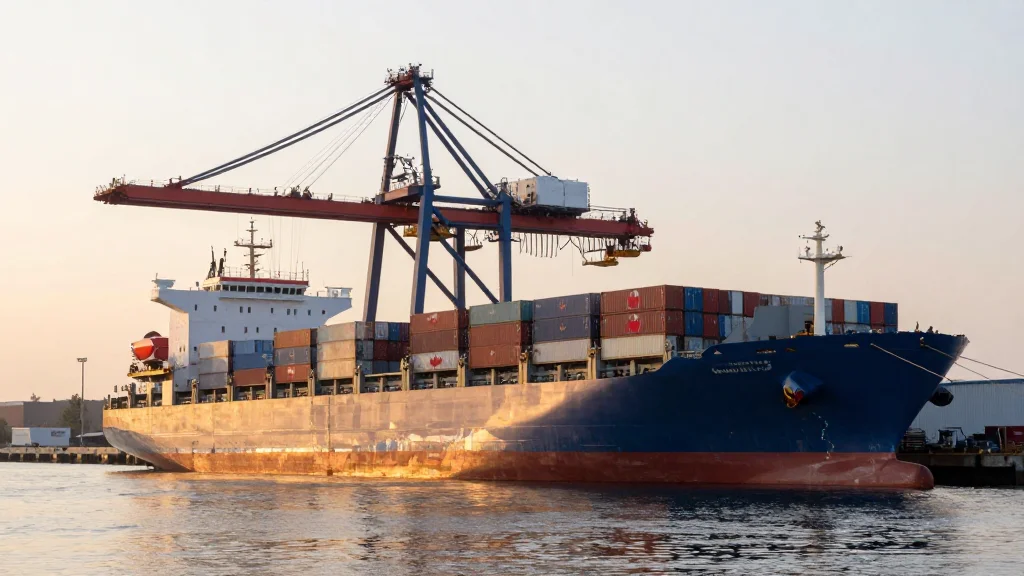
Canadian Review of Labor Laws Linked to Hoped-For Longshore Peace, US Diversification
Why It Matters
Modernizing labor rules could stabilize Canada’s ports, protecting trade flows vital to North‑American supply chains. Greater predictability also supports the government’s strategy to broaden export markets beyond the United States.
Key Takeaways
- •Canada initiates first WWII‑era labor law review in decades
- •Consultation started April 17 to shape upcoming longshore negotiations
- •Goal: reduce port disruptions and improve export diversification
- •New parliamentary majority gives Carney government reform momentum
- •Stability at West Coast ports critical for North‑American trade
Pulse Analysis
Canada’s decision to revisit its mid‑20th‑century labor relations framework reflects a broader recognition that outdated statutes can amplify modern supply‑chain vulnerabilities. The 13‑day West Coast work stoppage in 2023 and the subsequent 2024 dockworker strike highlighted how a narrow legal toolkit can stall critical cargo movements, prompting businesses to seek alternative routes or carriers. By launching a formal consultation, Ottawa signals a willingness to incorporate stakeholder feedback—from unions to shippers—while positioning itself to negotiate more balanced collective agreements ahead of the November talks.
The timing aligns with Prime Minister Mark Carney’s diversification agenda, which aims to reduce Canada’s export reliance on the United States. A more resilient port system would enable smoother access to Asian and European markets, supporting sectors such as grain, lumber, and automotive parts. For U.S. firms, a stable Canadian gateway reduces the risk of bottlenecks that can ripple into cross‑border logistics, potentially lowering inventory costs and improving just‑in‑time delivery models.
If the review leads to legislation that streamlines dispute resolution, introduces clearer work‑rule provisions, or adjusts bargaining timelines, the ripple effect could be significant. Investors may view Canadian ports as lower‑risk assets, encouraging infrastructure funding and private‑sector participation. Moreover, a successful reform could serve as a template for other jurisdictions grappling with legacy labor codes, reinforcing Canada’s reputation as a forward‑looking trade partner. The outcome of the upcoming negotiations will therefore be a bellwether for both domestic labor stability and the broader North‑American supply‑chain strategy.
Canadian review of labor laws linked to hoped-for longshore peace, US diversification
Comments
Want to join the conversation?
Loading comments...