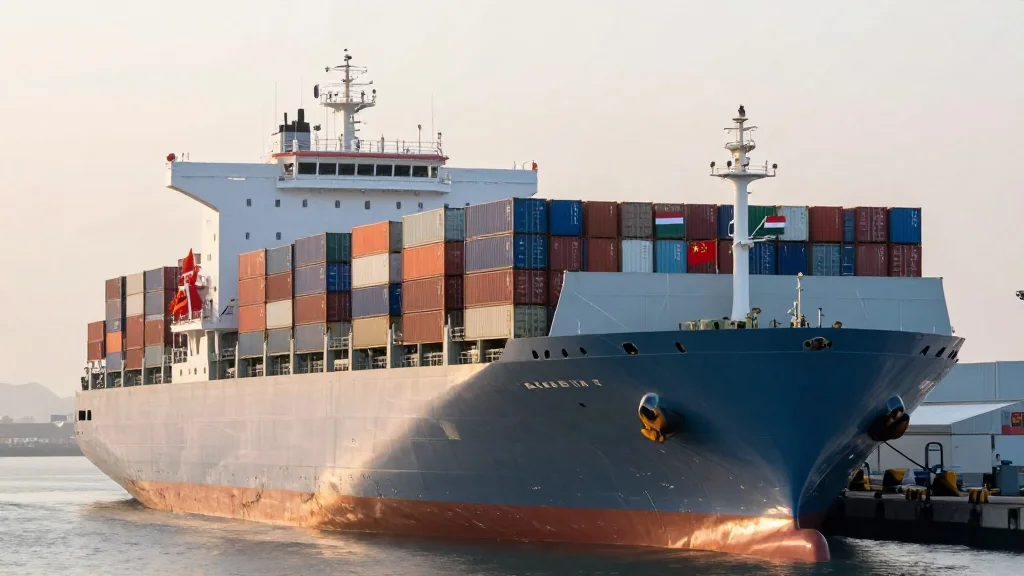
China Extends Zero‑Tariff Deal to 53 African Nations, Boosting Supply‑Chain Links

Why It Matters
The zero‑tariff policy directly lowers the landed cost of African goods entering China, making African commodities more price‑competitive against Latin American and Southeast Asian rivals. By removing duties on all tariff lines, the policy incentivizes African manufacturers to add value locally—roasting coffee, grinding cocoa, or fabricating textiles—rather than exporting raw materials. This shift can generate jobs, increase farmer incomes and stimulate infrastructure investment in ports, rail and cold‑chain logistics. Moreover, the policy deepens China’s leverage in the Global South, creating a parallel trade network that could reshape global supply‑chain dependencies, especially as Western markets grapple with protectionist pressures. In the longer term, the policy may spur a re‑routing of supply‑chain flows, with Chinese ports becoming primary trans‑shipment hubs for African products destined for Europe and the United States. The resulting economies of scale could lower freight rates, but also concentrate trade power in Chinese logistics firms, raising strategic questions about market access, data sovereignty and the resilience of African supply chains in the face of geopolitical shifts.
Key Takeaways
- •China’s zero‑tariff regime now covers 53 African countries, eliminating duties on 100% of tariff lines.
- •China‑Africa trade grew 17.7% in 2025 to $348 billion; African exports to China reached $123 billion.
- •Ethiopian coffee exporter Awo Coffee saw 10% annual growth, shipping 140 tonnes of green beans to China in 2024.
- •Cameroon cocoa farmer George Wambo Cornyu calls the policy "a golden opportunity" for domestic processing.
- •First zero‑tariff cargo train left Nairobi in March, signaling a shift toward rail‑based logistics.
Pulse Analysis
China’s tariff waiver is more than a fiscal concession; it is a strategic lever to rewire global supply chains. By guaranteeing duty‑free access, Beijing reduces the cost of entry for African producers, effectively subsidizing the creation of downstream processing capacity on the continent. This mirrors the early 2000s "factory‑gate" model where China offered low‑cost manufacturing inputs to attract foreign assembly. Here, the flow is reversed: raw materials and semi‑finished goods move north, while value‑added services—packaging, branding, quality control—remain in Africa. If African firms can capture these higher‑margin activities, the continent could see a measurable rise in manufacturing GDP share, narrowing the long‑standing export‑of‑raw‑materials trap.
However, the policy’s success hinges on addressing non‑tariff barriers. Logistics bottlenecks, limited cold‑chain capacity, and fragmented customs procedures could erode the cost advantage. Private investment in rail corridors, such as the Standard Gauge Railway projects in Kenya and Ethiopia, will be critical. Moreover, Chinese firms may dominate the new logistics ecosystem, potentially crowding out local players unless regulatory frameworks ensure fair competition.
Finally, the move signals Beijing’s intent to cement a multipolar trade order. As Western economies retreat into protectionism, China is building a parallel network that ties emerging markets directly to its consumer base. For supply‑chain strategists, this creates both opportunity and risk: firms can diversify away from traditional routes, but must navigate a landscape where geopolitical considerations increasingly dictate logistics decisions. The next 12‑18 months will reveal whether the zero‑tariff policy translates into durable supply‑chain realignment or remains a headline‑grabbing but limited incentive.
China Extends Zero‑Tariff Deal to 53 African Nations, Boosting Supply‑Chain Links
Comments
Want to join the conversation?
Loading comments...