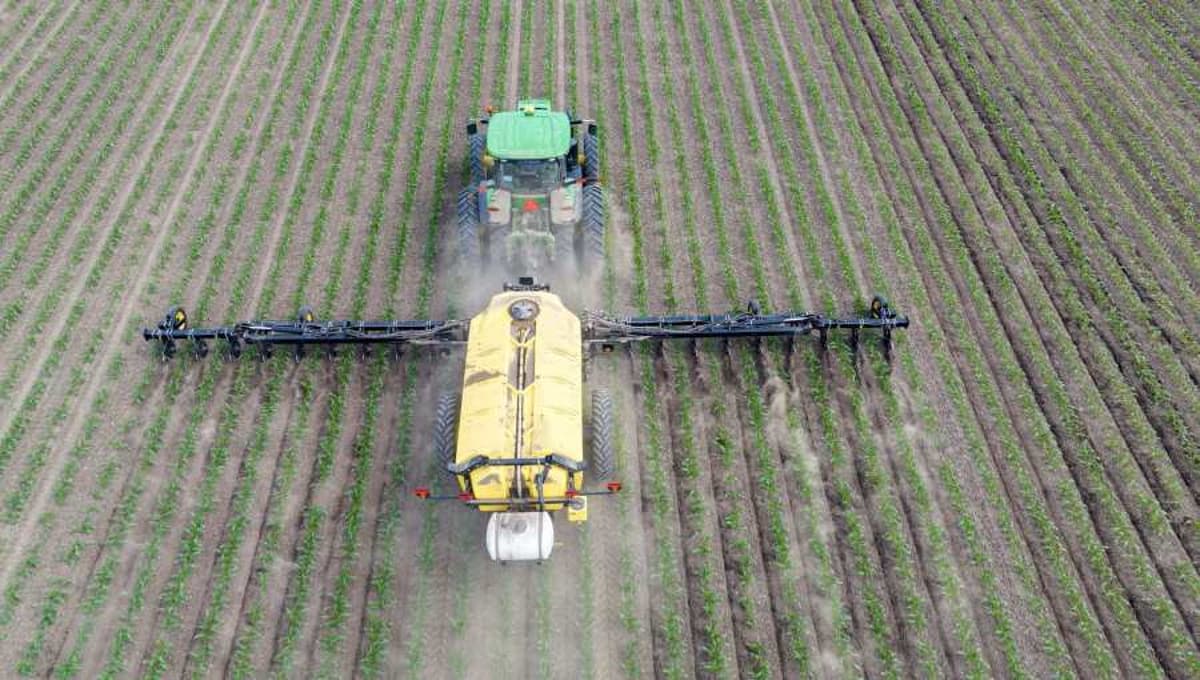
China Pledges Base Commodity Support to Cambodia Amid Supply Pressures
Why It Matters
Chinese support helps curb inflationary pressure on Cambodia’s vulnerable households and reinforces Beijing’s strategic foothold in Southeast Asia’s food‑energy supply chain.
Key Takeaways
- •China commits oil, gas, fertilizer aid to Cambodia
- •Cambodia imports 98% of its fertilizer needs
- •Fertilizer export ban lifted; urea quotas introduced
- •Rising energy costs push farmers toward wage labor
- •Aid aims to prevent debt defaults and land seizures
Pulse Analysis
Cambodia’s reliance on imported inputs has become a structural vulnerability, especially as global commodity markets tighten. With 98% of its fertilizer and 70% of its oil sourced abroad, price shocks quickly translate into higher production costs for rice growers and transport operators. Recent spikes in diesel and fertilizer prices have already forced farmers in Siem Reap and Prey Veng to abandon fields for precarious wage labor, deepening household debt and prompting land seizures. This context underscores why external supply guarantees are critical for maintaining food security and rural livelihoods in the country.
Beijing’s decision to provide energy and fertilizer assistance aligns with its broader geopolitical strategy in the Indo‑Pacific. After imposing a temporary fertilizer export ban in March to protect domestic supplies, China introduced targeted urea quotas to ease global price pressures, signaling a willingness to balance domestic priorities with export market stability. By extending aid to Cambodia, China not only mitigates immediate supply disruptions but also strengthens its diplomatic leverage, offering a counterweight to competing influences from the United States and Japan in the region’s development finance arena.
For Cambodia, the pledged support could blunt the worst of the current cost squeeze, allowing farmers to resume planting cycles and small enterprises to manage operating expenses. Stabilizing input prices may curb the migration of labor from agriculture to low‑skill urban jobs, preserving rural income streams and reducing the risk of debt‑driven land loss. In the longer term, reliable access to energy and fertilizer could improve yield forecasts, bolster export earnings, and enhance the country’s resilience against future geopolitical or climate‑related shocks, benefitting both investors and policymakers focused on sustainable growth.
China pledges base commodity support to Cambodia amid supply pressures
Comments
Want to join the conversation?
Loading comments...