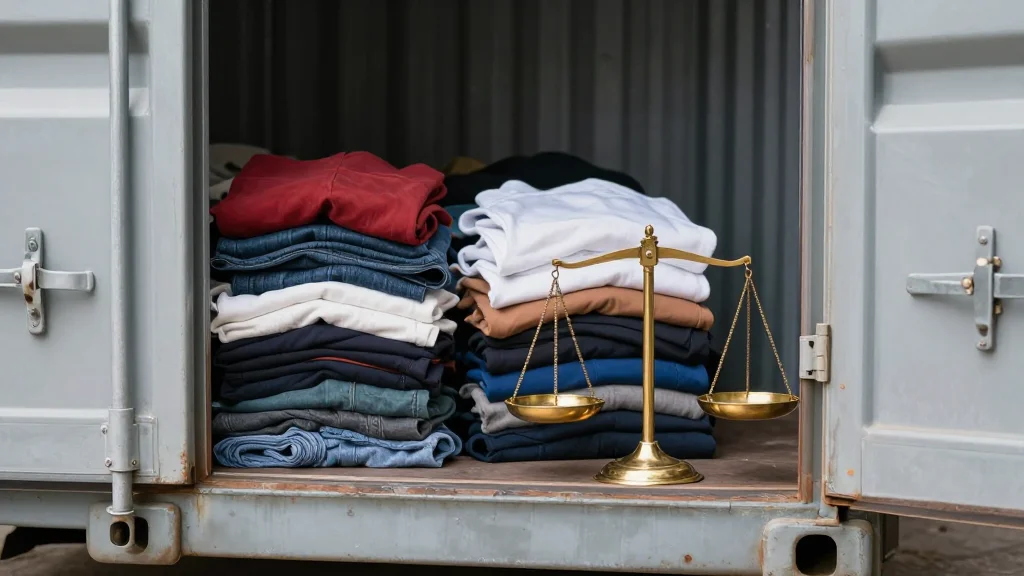
China Supply Chain Regulations Could Complicate Sourcing for Global Brands
Why It Matters
The overlap between Chinese rules and Western due‑diligence laws could force global brands to choose between market access and regulatory risk, reshaping supply‑chain strategies worldwide.
Key Takeaways
- •New Chinese rules target extraterritorial jurisdiction claims
- •Regulations may clash with UFLPA and EU CSDDD compliance
- •Suppliers face dual reporting burdens, raising costs and delays
- •Global brands risk supply chain disruptions and legal exposure
Pulse Analysis
China’s latest supply‑chain legislation reflects a broader push to assert sovereignty over cross‑border commerce. By labeling certain foreign legal demands as "unlawful extraterritorial jurisdiction," Beijing forces domestic manufacturers to conduct a new layer of compliance checks on contracts tied to overseas markets. This move mirrors earlier efforts to tighten control over technology transfers and data flows, signaling that China will increasingly embed political considerations into commercial regulations.
For multinational companies, the practical impact is immediate and complex. The U.S. Uyghur Forced Labor Prevention Act already obliges importers to certify that goods are free of forced labor, while the EU’s Corporate Sustainability Due Diligence Directive imposes rigorous human‑rights and environmental vetting. The Chinese rules add a parallel requirement that could contradict or duplicate these standards, forcing firms to navigate divergent documentation, audit schedules, and legal interpretations. The resulting administrative burden may inflate operating costs, delay shipments, and push some brands to reconsider sourcing from China altogether.
Strategically, firms will need to invest in integrated compliance platforms that can reconcile Chinese, U.S., and EU mandates in real time. Partnerships with local legal counsel and third‑party auditors become essential to interpret overlapping obligations and avoid penalties. Some companies may diversify their supply base, shifting production to jurisdictions with clearer regulatory alignment. Ultimately, the new Chinese framework underscores the growing geopolitical friction in global supply chains, urging businesses to adopt more resilient, transparent sourcing models to safeguard market access and brand reputation.
China supply chain regulations could complicate sourcing for global brands
Comments
Want to join the conversation?
Loading comments...