CLdN Shifts Shipping Operations to UK in ‘Natural Evolution’
Companies Mentioned
Why It Matters
Moving the headquarters to the UK positions CLdN to better navigate post‑Brexit regulations and tap deeper into the British maritime market, potentially boosting profitability and service reliability.
Key Takeaways
- •CLdN relocates headquarters from Luxembourg to the United Kingdom
- •Operator runs 30 cargo ro‑ro vessels on European shortsea routes
- •60‑year UK freight connections support the natural evolution
- •Port assets include terminals in London, Killingholme, and Liverpool
- •Shift may improve regulatory alignment and market access post‑Brexit
Pulse Analysis
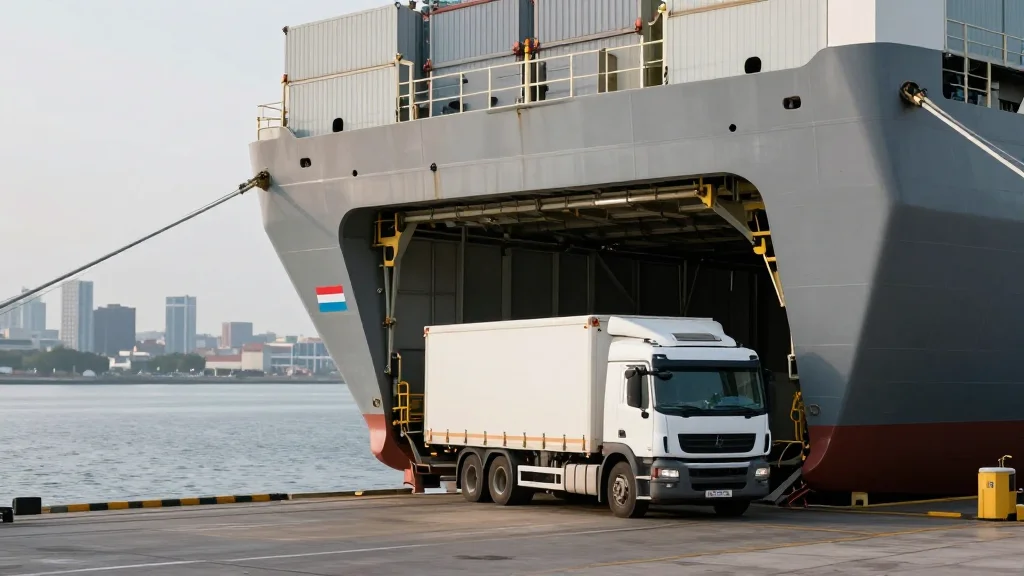
CLdN’s decision to shift its operational base to the United Kingdom reflects a broader trend among European shortsea operators seeking proximity to their core markets. With a fleet of 30 roll‑on/roll‑off vessels, the carrier has long leveraged the UK’s dense port network to facilitate intra‑European trade. Its terminals in London, Killingholme and Liverpool serve as critical nodes for cargo transshipment, enabling faster turnaround times and tighter integration with rail and road logistics.
The relocation offers several strategic advantages. By anchoring its headquarters in the UK, CLdN can more directly engage with British regulatory bodies, a crucial factor in the post‑Brexit environment where customs procedures and maritime standards have diverged from the EU. The move also reduces administrative overhead associated with cross‑border governance, allowing the firm to allocate resources toward fleet modernization and digitalization initiatives. Moreover, proximity to key customers and partners in the UK market can enhance relationship management and open new revenue streams.
Industry observers see CLdN’s shift as a bellwether for the shortsea sector’s future orientation. As supply chains continue to prioritize speed and resilience, operators with localized assets are better positioned to offer reliable services. CLdN’s expanded UK footprint may pressure competitors to reassess their own geographic strategies, potentially spurring further consolidation or investment in British ports. For shippers, the development promises more consistent service levels and could translate into cost efficiencies across the North Sea trade corridor.
CLdN shifts shipping operations to UK in ‘natural evolution’
Comments
Want to join the conversation?
Loading comments...