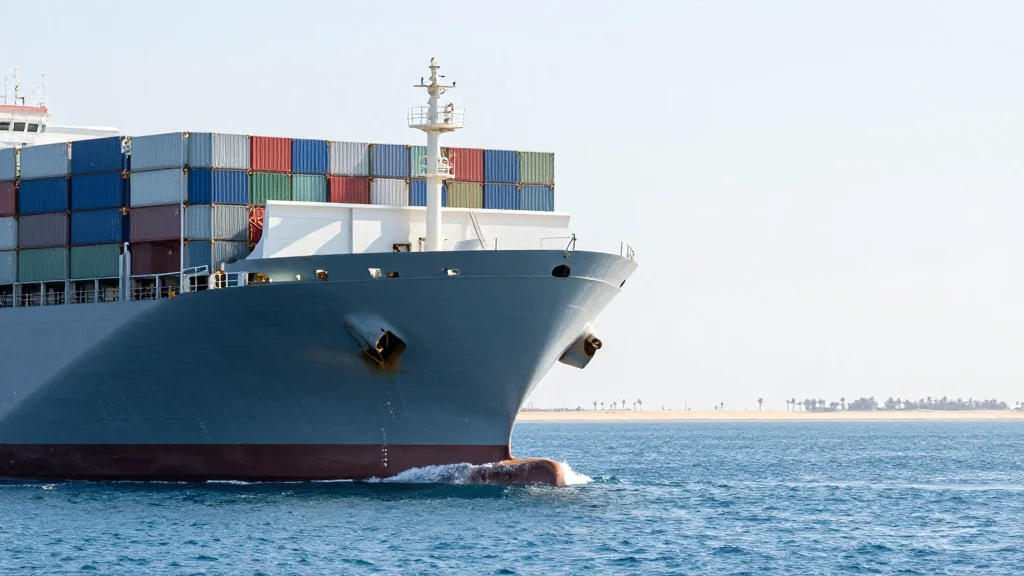
Container Freight Rates to Middle East Get Boost From Strait of Hormuz Closure
Why It Matters
The development shows that geopolitical bottlenecks can instantly alter shipping economics, influencing carrier earnings and regional trade dynamics.
Key Takeaways
- •Hormuz closure forces boxships to reroute via UAE, Saudi, Oman ports
- •Freight rates to Middle East climb, benefitting carriers and freight forwarders
- •Congestion and higher port fees erode profit margins for shipowners
- •Persistent regional demand weakness may offset rate gains over time
Pulse Analysis
The Strait of Hormuz, a narrow waterway linking the Persian Gulf to the Arabian Sea, handles roughly a fifth of global oil shipments and a significant share of container traffic. Its sudden closure—whether due to regional conflict, security threats, or diplomatic standoffs—forces vessels to detour around the Cape of Good Hope or seek nearby ports. This rerouting adds transit time, fuel consumption, and logistical complexity, prompting shippers to reassess routing strategies and cost structures in real time.
In the short term, the diversion has lifted spot freight rates to key Middle Eastern hubs such as the UAE’s Khor Fakkan, Saudi Arabia’s Jeddah, and Oman’s Salalah. Carriers and freight forwarders capture higher revenue per container, while shippers face steeper pricing to maintain supply chain continuity. However, the surge is tempered by port congestion, increased demurrage, and higher handling fees at the alternative terminals. These ancillary costs quickly erode the headline rate gains, leaving shipowners with narrower profit margins despite the apparent market uplift.
Looking ahead, the sustainability of the rate increase hinges on regional demand trends. Persistent economic slowdown, reduced consumer spending, and lingering geopolitical uncertainty could depress cargo volumes, offsetting any temporary price spikes. Industry players may respond by optimizing vessel deployment, negotiating longer-term contracts, or investing in digital tools to improve port efficiency. For investors and analysts, the Hormuz episode serves as a reminder that short‑term freight market volatility often masks deeper structural challenges in global trade flows.
Container freight rates to Middle East get boost from Strait of Hormuz closure
Comments
Want to join the conversation?
Loading comments...