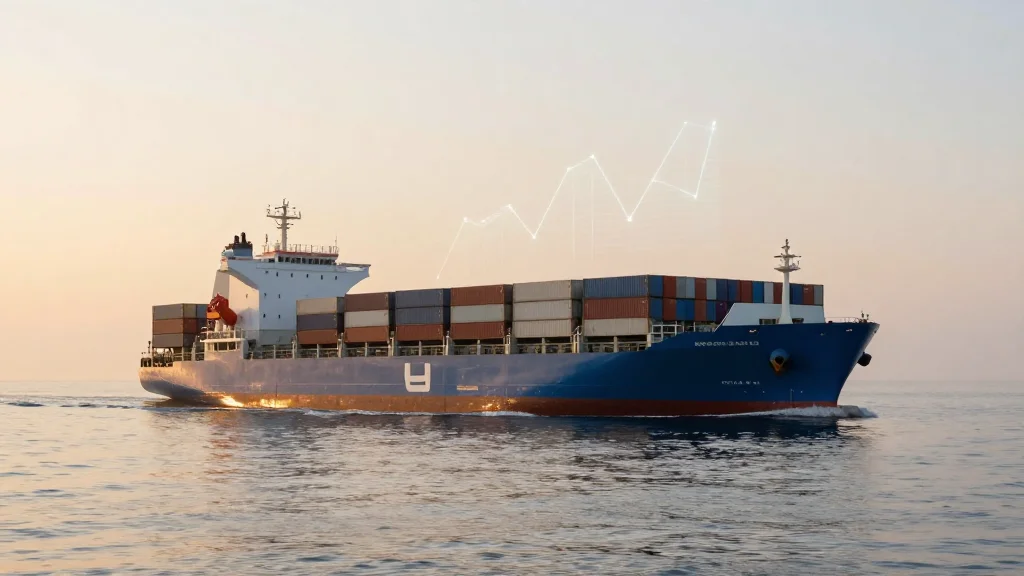
Container Futures Signal Potential Peak in Red-Hot Transpacific Market
Companies Mentioned
Why It Matters
The new futures contract provides shippers and carriers a transparent tool to manage price risk, potentially stabilizing a market that has driven up supply‑chain costs. Its debut also offers investors a barometer for future freight‑rate trajectories, influencing capital allocation in logistics and shipping sectors.
Key Takeaways
- •First freight-derivatives contract launched on ICE for transpacific routes
- •NYFI index now tradable, linking spot rates to futures markets
- •Market participants can hedge volatility amid rate spikes
- •Potential peak may curb double‑digit rate growth forecasts
Pulse Analysis
The transpacific lane, linking Asian manufacturers to the U.S. West Coast, has been the engine of the container market’s recent boom. Spot freight rates surged to record highs as demand for consumer goods outpaced vessel capacity, prompting carriers to deploy larger ships and premium pricing. This environment forced shippers to absorb volatile costs, prompting a search for more sophisticated risk‑management tools beyond traditional forward contracts.
In response, Freight Investor Services brokered the inaugural freight‑derivatives contract on the Intercontinental Exchange, anchored to the New York Shipping Exchange’s NYFI index. By translating the NYFI’s spot‑rate data into a tradable futures product, the contract enables participants to lock in pricing, speculate on rate movements, and diversify exposure. The ICE platform brings the liquidity and regulatory oversight of mainstream derivatives markets to container shipping, attracting banks, hedge funds, and corporate treasuries seeking to hedge supply‑chain disruptions.
The launch is being read as a market‑sentiment gauge: the willingness to trade futures suggests participants anticipate a plateau in rate growth. While some analysts still project a possible doubling of spot rates, the futures price reflects expectations of a near‑term peak, hinting at a softening of demand or increased vessel supply. If rates stabilize, carriers may adjust capacity deployment, and shippers could see reduced cost volatility, reshaping investment decisions across the logistics ecosystem.
Container futures signal potential peak in red-hot transpacific market
Comments
Want to join the conversation?
Loading comments...