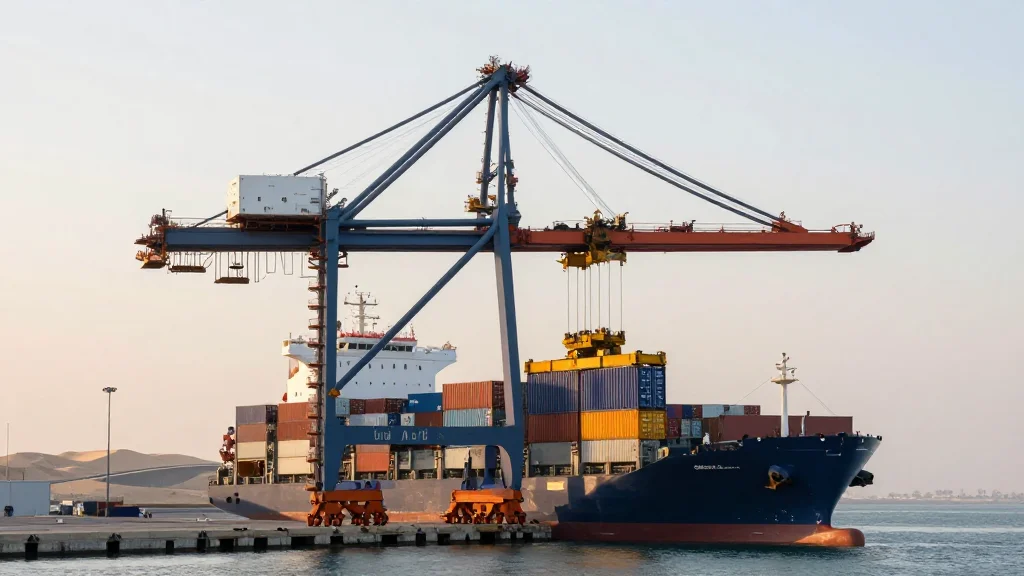
Container Shipping Faces Blank Sailings, Falling Demand From Prolonged Iran War
Why It Matters
Reduced throughput and service cuts threaten shipping revenues and global supply‑chain reliability, while heightened infrastructure spending reshapes trade flows in the region.
Key Takeaways
- •Drewry cuts global container throughput growth forecast to 1.8%.
- •Blank sailings and route changes expected as war disrupts shipping lanes.
- •Potential oil shortages could depress manufacturing, further reducing container volumes.
- •Investors may boost Middle East port infrastructure to bypass Strait of Hormuz.
- •Shipping lines face revenue pressure from reduced demand and service cancellations.
Pulse Analysis
The protracted conflict between the United States, Israel and Iran is reverberating through the maritime logistics sector. With the Strait of Hormuz—a chokepoint for roughly a third of global oil shipments—frequently threatened, carriers are pre‑emptively cancelling sailings and reshuffling schedules to mitigate risk. Drewry’s revised 1.8% growth outlook reflects not only the immediate operational disruptions but also a broader contraction in demand as manufacturers brace for higher energy costs and supply‑chain volatility.
Beyond short‑term service reductions, the war is prompting a strategic shift in regional infrastructure investment. Port authorities and private investors in the Gulf are earmarking capital to expand berths, deepen channels and develop multimodal connections that can bypass the most vulnerable maritime routes. These projects aim to preserve trade continuity, attract rerouted cargoes, and ultimately reduce dependence on the Hormuz corridor. The influx of capital signals confidence in the long‑term relevance of Middle‑East logistics hubs, even as geopolitical tensions persist.
For the global economy, the combined effect of blank sailings, potential oil shortages and redirected freight flows could tighten container availability and lift freight rates. Shippers may face higher costs and longer transit times, prompting a reevaluation of inventory strategies and sourcing locations. While the immediate outlook remains uncertain, the industry’s adaptive measures—ranging from operational cutbacks to infrastructure upgrades—highlight a resilient but cautious approach to navigating geopolitical risk.
Container shipping faces blank sailings, falling demand from prolonged Iran war
Comments
Want to join the conversation?
Loading comments...