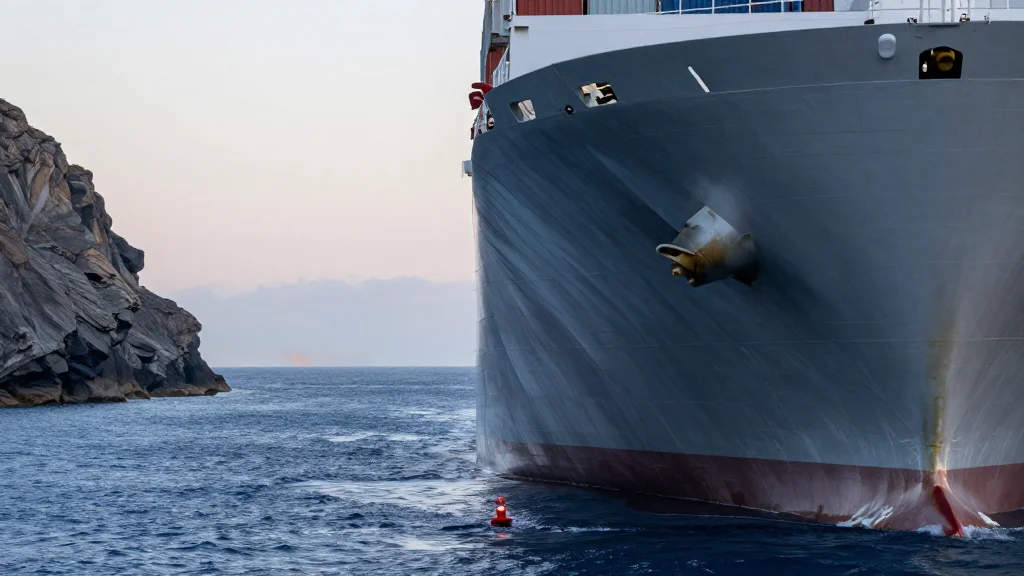
Container Shipping Remains Paralysed in Middle East Gulf as MSC Seizures Ramp up Tensions
Why It Matters
The paralysis threatens global supply chains, raising freight rates and forcing reroutes that increase shipping costs and delivery times.
Key Takeaways
- •MSC seizures halted all Gulf container transits.
- •Maersk’s Astrid Maersk made last conventional Hormuz passage.
- •Hapag‑Lloyd moved only one vessel, Tema Express, out.
- •Operators await a safe “window of opportunity” to resume.
- •Iranian attacks amplify security risks for maritime trade routes.
Pulse Analysis
The Strait of Hormuz has long been a chokepoint for world trade, funneling roughly 20% of global oil and a significant share of container cargo. Recent Iranian missile and drone strikes have escalated geopolitical risk, prompting shipping lines to reassess the safety of the narrow waterway. MSC’s high‑profile seizures of two container ships underscored the vulnerability of commercial vessels, effectively freezing the Gulf’s container lanes and triggering a wave of caution across the industry.
For carriers, the immediate fallout is a scramble to reroute vessels around the Cape of Good Hope or through alternative Red Sea corridors, both of which add days to transit times and inflate bunker fuel expenses. Maersk’s decision to run the Astrid Maersk as its last conventional Hormuz transit signals a strategic pullback, while Hapag‑Lloyd’s limited success in extracting the 4,252‑teu Tema Express highlights the operational bottleneck. Freight forwarders are already reporting higher spot rates and longer lead times, pressuring manufacturers to adjust inventory buffers and reconsider just‑in‑time models.
Looking ahead, the industry’s ability to restore confidence hinges on diplomatic de‑escalation and clearer maritime security protocols. If a “window of opportunity” emerges—perhaps through multilateral naval escorts or a cease‑fire—the Gulf could gradually reopen, but carriers are likely to maintain diversified routing strategies to hedge against future disruptions. In the meantime, investors and supply‑chain managers should monitor geopolitical developments closely, as prolonged paralysis could reshape trade patterns and accelerate the shift toward more resilient, albeit costlier, logistics networks.
Container shipping remains paralysed in Middle East Gulf as MSC seizures ramp up tensions
Comments
Want to join the conversation?
Loading comments...