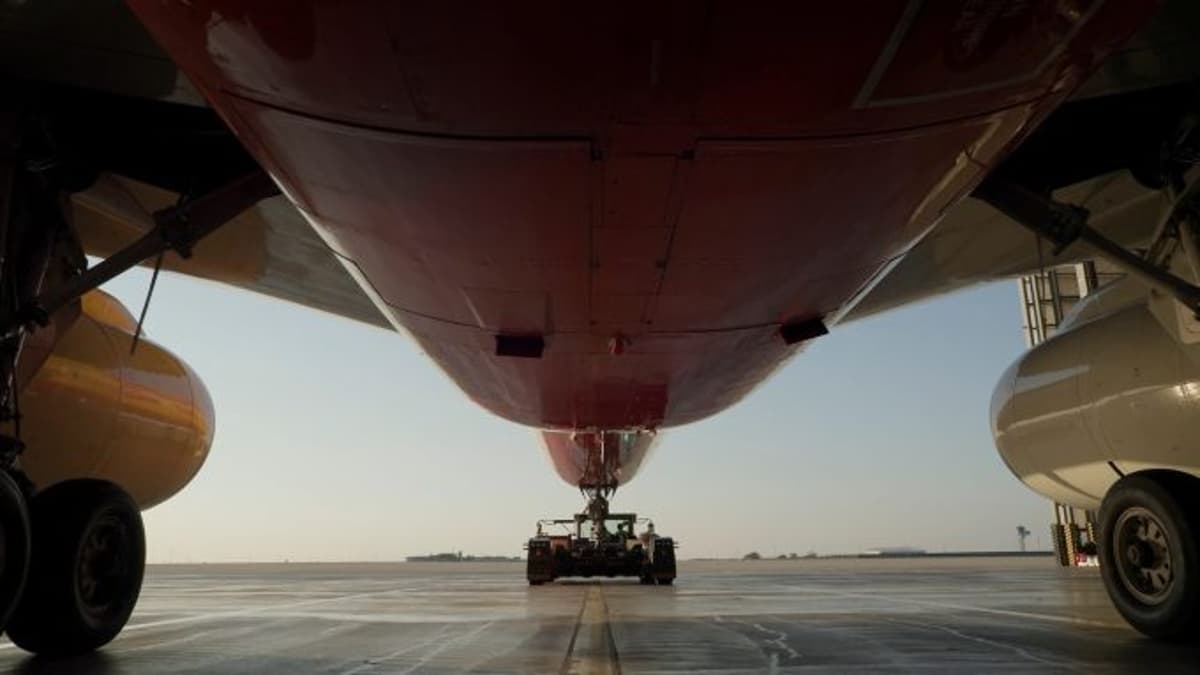
Continuing War Pushes Airfreight Rates Toward Covid Peak
Companies Mentioned
Why It Matters
Rising rates and widening price spreads pressure airlines, forwarders and shippers, reshaping cost structures across global supply chains. The trend signals a shift toward higher freight expenses that could accelerate modal substitution and affect inventory strategies.
Key Takeaways
- •May 2024 air cargo rates up 36% YoY, near Covid peak
- •Global air cargo revenue up 16% YTD, driven by rates and volumes
- •Amsterdam‑Dubai lane saw rate hikes close to 200% since March
- •Gulf inbound volumes rebounded to pre‑conflict levels by May
- •Rate volatility widened, complicating pricing decisions for airlines and shippers
Pulse Analysis
The escalation of hostilities in the Gulf region has reignited a pricing dynamic last seen during the pandemic’s freight boom. Airlines, forced to detour around restricted airspace, have reduced available capacity on key routes, prompting shippers to pay premium rates to secure space. This supply squeeze, combined with resilient demand for time‑critical goods, has driven the average global air cargo price to $3.23 per kilogram in May—just 30% shy of the Covid‑era high. The surge underscores how geopolitical shocks can rapidly compress margins and elevate logistics costs.
Specific trade lanes illustrate the intensity of the price shock. The Amsterdam‑Dubai corridor, a vital conduit for European‑Middle East commerce, experienced rate increases approaching 200% since March, while Hong Kong‑Riyadh and Mumbai‑London also saw dramatic hikes. Yet, cargo volumes have shown surprising durability; inbound shipments to the Gulf, which fell by roughly 60% after the conflict erupted, have recovered to pre‑conflict levels by May. This volume rebound, paired with a 12% rise in rates and a 4% increase in overall volumes, lifted global air cargo revenues by 16% year‑to‑date.
Looking ahead, WorldACD projects a modest 2.3% growth in air cargo demand for the year, but warns that volatility may eclipse price concerns. The widening spread between low and high market rates complicates pricing transparency for airlines, freight forwarders, and corporate shippers alike. Companies will need to adopt more sophisticated analytics and flexible contracting to navigate the uncertainty, while some may explore alternative modes such as sea or rail to hedge against future geopolitical disruptions. The current environment highlights the strategic importance of diversified logistics portfolios and real‑time market intelligence.
Continuing war pushes airfreight rates toward Covid peak
Comments
Want to join the conversation?
Loading comments...