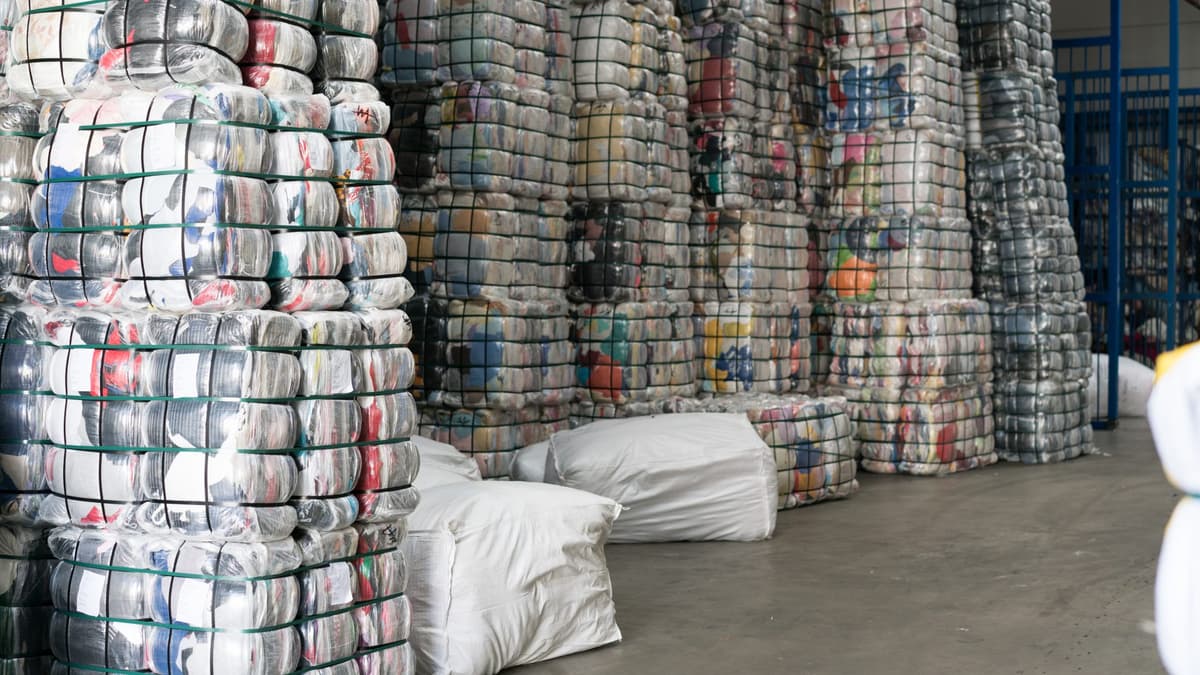
Debrand Report Lifts Lid on Used Textile Pathways
Why It Matters
Transparent accounting of textile destinations equips brands, investors, and policymakers with actionable insight to accelerate circular strategies and reduce landfill waste.
Key Takeaways
- •Debrand's report quantifies volumes across reuse, recycling, upcycling, disposal.
- •Reuse channels handle majority of post-consumer textiles, per report.
- •Recycling share remains modest, highlighting processing bottlenecks.
- •Upcycling emerges as fastest-growing pathway for discarded garments.
- •Transparent data supports investors evaluating circular fashion initiatives.
Pulse Analysis
The debut transparency report from Debrand shines a light on a previously opaque segment of the fashion supply chain: what happens to garments after they leave the consumer’s closet. By cataloguing the volumes directed toward reuse, recycling, upcycling and disposal, the report supplies a data‑driven baseline for measuring circularity. Analysts can now compare pathway efficiencies across regions and track the impact of emerging technologies such as chemical recycling, while brands gain a clearer picture of where their take‑back programs are most effective.
Industry observers note that the report underscores a persistent reliance on reuse as the dominant outlet for used textiles, a trend driven by resale platforms and donation networks. However, the modest share allocated to traditional recycling signals lingering technical and economic barriers, including limited sorting infrastructure and the high cost of fiber recovery. Upcycling, meanwhile, is gaining traction, with small‑batch designers converting waste into premium products, suggesting a niche but rapidly expanding market segment that could alleviate pressure on conventional recycling streams.
For investors and sustainability officers, the newfound transparency offers a quantifiable metric to assess ESG performance and allocate capital toward the most promising circular initiatives. Policymakers can also leverage the data to refine regulations, incentivize higher‑value recovery methods, and set realistic targets for textile waste reduction. As the fashion industry grapples with mounting pressure to curb its environmental footprint, Debrand’s report provides a critical tool for aligning commercial objectives with broader climate goals.
Debrand report lifts lid on used textile pathways
Comments
Want to join the conversation?
Loading comments...