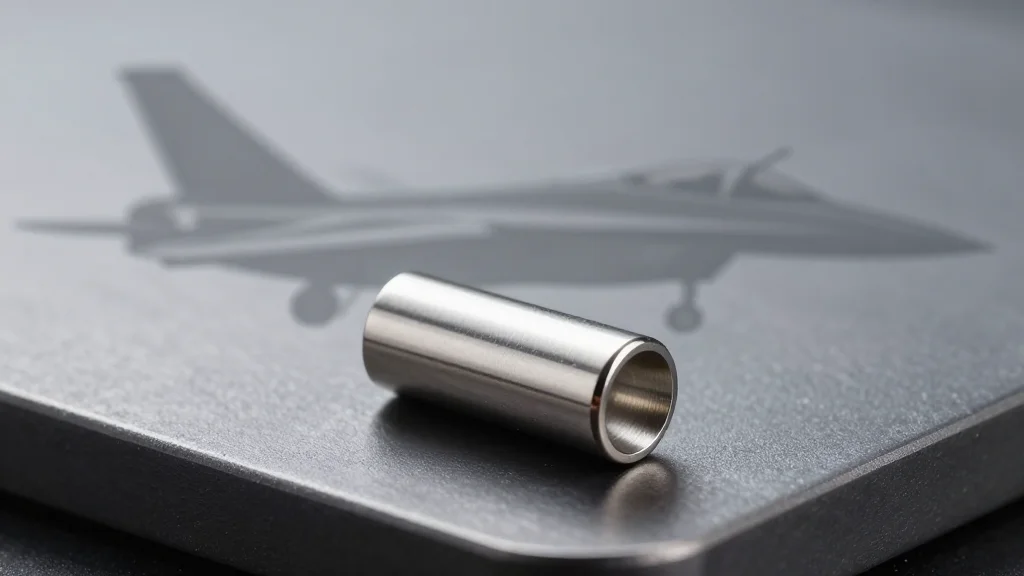
Defence Groups Clamour to Delay US Ban on Chinese Rare Earth Magnets
Why It Matters
Delaying the ban protects the readiness of U.S. defence platforms that depend on these magnets, while highlighting broader supply‑chain vulnerabilities to China’s dominance in rare‑earths.
Key Takeaways
- •US defence firms rely on Chinese neodymium magnets for weapon systems.
- •Ban could disrupt supply for guided munitions and electric aircraft.
- •Department of Defense seeks six‑month extension to assess alternatives.
- •Congressional hearing scheduled to review national security implications.
- •Alternative sources in Europe and Japan still limited capacity.
Pulse Analysis
The United States is on the cusp of tightening export controls on rare‑earth magnets, a move that reflects growing strategic concerns over China’s near‑monopoly on these critical components. Neodymium‑iron‑boron magnets, prized for their strength and lightweight properties, are embedded in a wide array of defence technologies, from precision‑guided missiles to next‑generation electric vertical‑take‑off and landing (eVTOL) aircraft. While the policy aims to curb China’s leverage, industry analysts warn that an abrupt cutoff could cripple procurement pipelines that have long depended on Chinese supply, forcing costly redesigns or production delays.
Defence contractors and trade associations have rallied behind a request for a six‑month deferment, citing the lack of ready‑made alternatives in allied markets. Europe and Japan are scaling up rare‑earth processing, but their output remains a fraction of China’s annual 140,000‑tonne production, translating to roughly $2 billion in annual U.S. spend on these magnets. The Department of Defense’s appeal underscores a pragmatic balance: safeguarding national security while buying time for domestic capacity building, research into magnet‑free designs, and strategic stockpiling.
Congress is set to hold a hearing that will probe the broader implications of rare‑earth dependency, a theme echoing earlier debates over semiconductor and battery materials. Policymakers are likely to weigh the immediate operational risks against longer‑term goals of supply‑chain diversification. For companies, the outcome will dictate investment priorities—whether to accelerate partnerships with non‑Chinese suppliers, fund recycling initiatives, or redesign systems to reduce magnet reliance—shaping the future landscape of U.S. defence manufacturing.
Defence groups clamour to delay US ban on Chinese rare earth magnets
Comments
Want to join the conversation?
Loading comments...